



CTAA Publishes Paper on Public Transportation's Response to the COVID-19
The report concludes with six recommendations to leverage the new partnerships and flexibility necessitated by the COVID-19 era to durably improve access to opportunity.
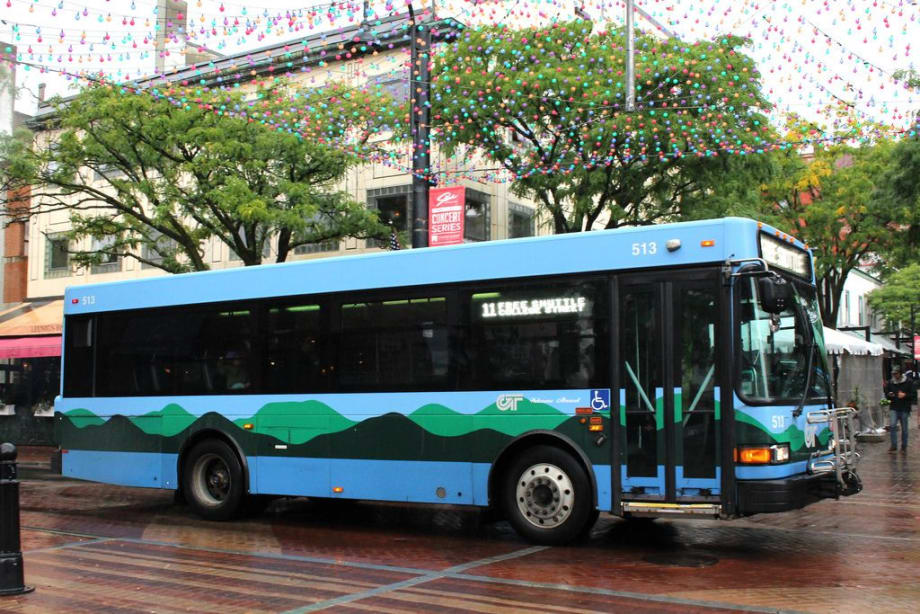
In May and June 2021, CTAA interviewed transit leaders around the U.S. to illustrate how they deployed their systems to help their communities, first to reduce food insecurity, then to ensure equity in vaccine access on a widespread scale.
CCTA
To better understand how agencies served their communities and persevered through the last year and a half, the Community Transportation Association of America (CTAA) published an analysis of how transit proved to be a catalyst for community response.
In May and June 2021, CTAA interviewed transit leaders around the U.S. to illustrate how they deployed their systems to help their communities, first to reduce food insecurity, then to ensure equity in vaccine access on a widespread scale. The report concludes with six recommendations to leverage the new partnerships and flexibility necessitated by the COVID-19 era to durably improve access to opportunity.
“We are immensely proud of the work our members have done, and continue to do, during the pandemic,” said CTAA Executive Director Scott Bogren. “This report demonstrates the hard work transit agencies have undertaken to increase access to essential services, provide reliable trips to vaccine appointments and keep their communities healthy. It is our hope that by sharing these remarkable case studies, transit providers, and industry stakeholders can discover new ways to transition into a post-pandemic world.”
To view the full report, click here.
More Bus

ENC Lands MATA Contract and More in Biz Briefs
In this edition of Biz Briefs, we spotlight the latest developments shaping the future of mobility.
Read More →
From Surviving to Thriving: Building Stronger Transportation Organizations
Bus Business Consultants founder Brian Dickson shares lessons on leadership, organizational health, and creating options for long-term success in a changing transportation industry.
Read More →
Everett Transit, Community Transit Outline Consolidation Agreement
The proposed agreement calls for a 50% increase in bus service in Everett, a new microtransit zone, continued paratransit service, and the transfer of Everett Transit operations to Community Transit.
Read More →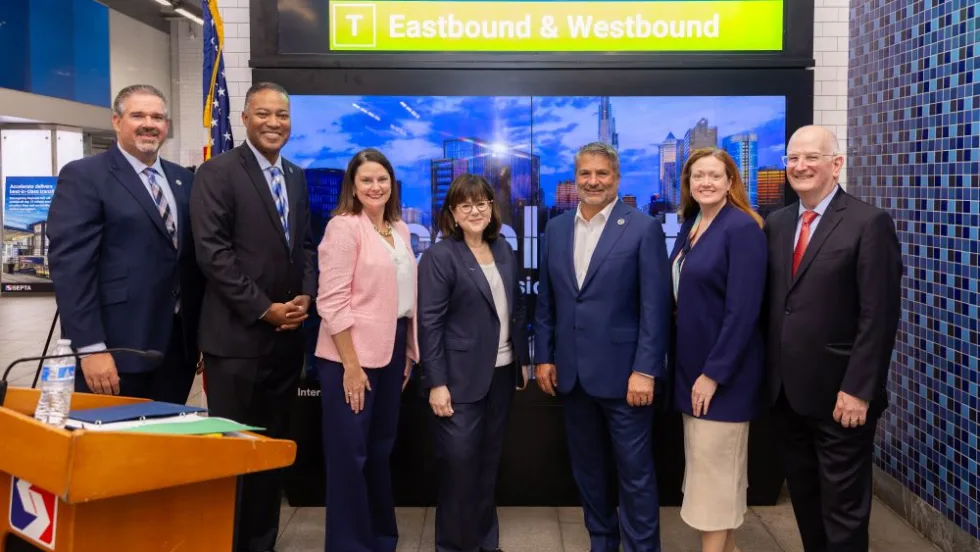
SEPTA Details Accelerate Vision for Transit System
The plan outlines investments in trolley modernization, new Metro and Regional Rail vehicles, accessible stations, and more frequent bus and rail service.
Read More →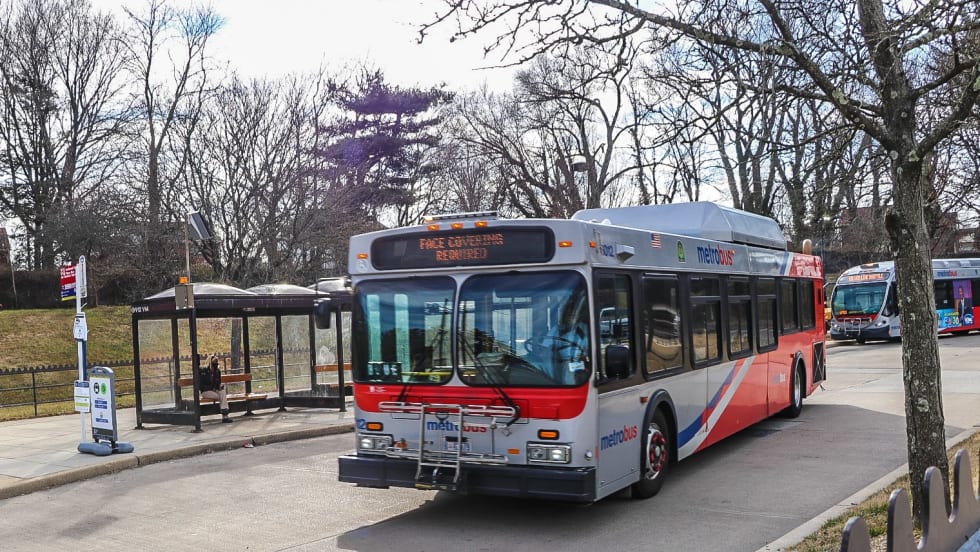
Report: Transit Bus Manufacturing Supports 34,100 Jobs, $5.1B in GDP
The “Buses Mean Business” report examines the transit bus manufacturing industry’s economic footprint, supply chain, and rising demand for vehicle replacements.
Read More →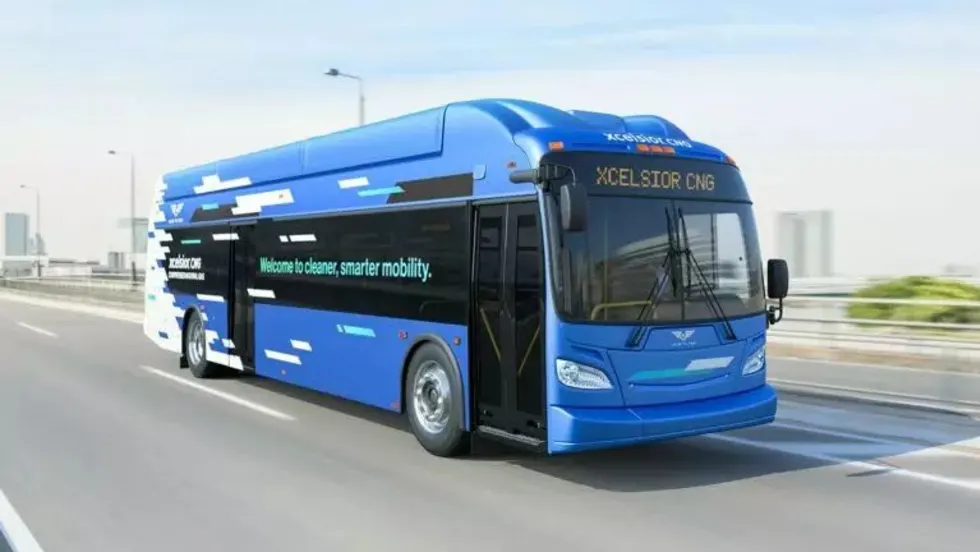
Biz Briefs: New Flyer Delivers in Columbus, Houston, Beep and Freebee Merge, and More
In this edition of Biz Briefs, we spotlight the latest developments shaping the future of mobility.
Read More →
People Movement: Dan Dipert Coaches Adds Third-Generation Leader, Keolis Names New Valley Metro VP/GM, and More
In this edition, we also cover recent appointments and announcements at the Wabtec, SilverRide, HNTB, and more, showcasing the individuals helping to shape the future of transportation.
Read More →
New York MTA Plans Largest Bus Fleet Upgrade in More Than a Decade
The agency is seeking manufacturers for 650 new CNG buses to replace aging vehicles, improve reliability, and advance its broader fleet modernization strategy.
Read More →
Building a Flexible Path to Transit Electrification
John Hroncich discusses BAE Systems’ modular and scalable approach, lessons learned from decades of real-world operations, and how agencies can identify electrification strategies that fit their fleets.
Read More →
Bus Tech Talk: Keeping Transit Technicians Ahead of the Technology Curve
LA Metro’s Obed Mejia discusses technician training, evolving maintenance technology, fleet replacement, and strategies for getting the most out of today’s transit fleets.
Read More →