




Related: 26 issues found during D.C. Metro inspection shutdown
D.C. Metro rules out power cables as factor in recent smoke incident
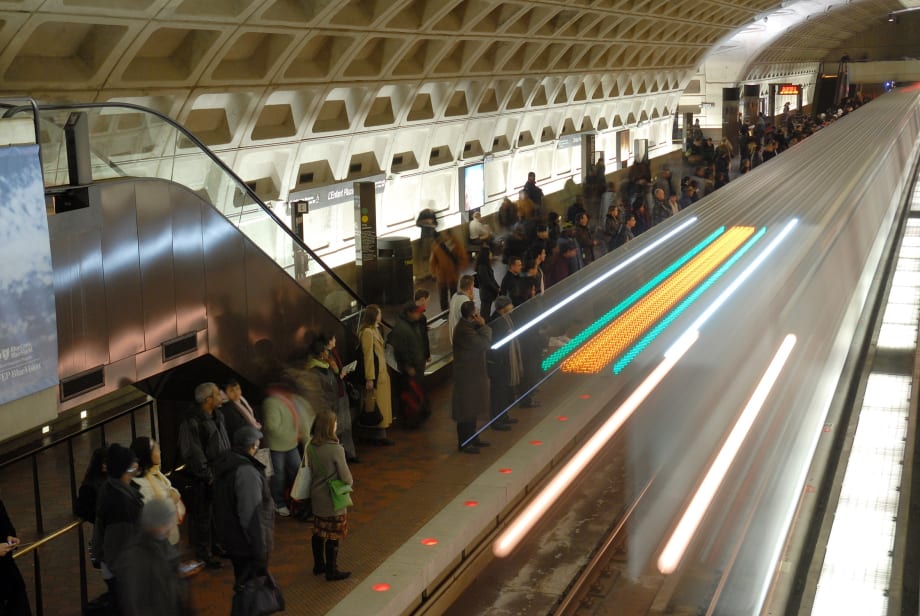
Passengers aboard the train described a tense atmosphere, with smoke in some of the railcars, flames visible outside the train and the odor of electrical smoke evoking memories of the Jan. 12, 2015, L’Enfant Plaza Metro station incidnet that left one rider dead and scores sickened
April 27, 2016
Larry Levine
2 min to read
Larry Levine
The Washington Metropolitan Area Transit Authority’s (Metro) announced that while it has not yet identified the root cause of Saturday’s smoke incident outside Friendship Heights Station, investigators have eliminated power cables as a contributing factor.
Passengers aboard the train described a tense atmosphere, with smoke in some of
the railcars, flames visible outside the train and the odor of electrical smoke evoking memories of the Jan. 12, 2015, L’Enfant Plaza Metro station incidnet that left one rider dead and scores sickened, according to the Washington Post.
As a preliminary matter, the investigation is focusing on a foreign object, specifically a metal part of a railcar, becoming dislodged and making contact with the electrified third rail. The foreign contact is believed to have caused a loud noise, flash and smoke.
Investigators have conducted inspections of all power infrastructure in the tunnel, as well as all cars of the incident train, to reach this preliminary conclusion.
Preliminary Investigative Findings include:
At approximately 7:19 p.m., Saturday, April 23, the operator of Red Line train #107 traveling outbound reported hearing a loud boom and smoke entering the lead car.
The train consisted of eight cars: four 5000-series and four 1000-series.
The train stopped in the tunnel prior to Friendship Heights Station.
Passengers were moved into the trailing cars of the train.
The train operator was instructed to reverse direction and was given permission to move back to Tenleytown Station, where the train was offloaded.
Prior to the train being moved, an unknown passenger pulled an emergency door release, causing the train to lose "all doors closed" indication. It was confirmed that no passengers "self-evacuated" from the train. Once all doors were confirmed closed, the train was moved.
There were no injuries.
Metro and the Federal Transit Administration continue to investigate the cause of this incident. Updates will be provided as information is developed.
More Rail
Amtrak, CN Reach Agreements to Strengthen Passenger Rail Service, Safety
The agreement resolves a more than decade-long proceeding before the Surface Transportation Board concerning the terms and conditions for Amtrak services, such as the City of New Orleans, Illini/Saluki, and Wolverine.
Read More →
New York MTA Advances Final Contract for Second Avenue Subway Expansion
Contract Four is the largest in the Second Avenue Subway Phase 2 project and includes construction of station infrastructure, tracks, and signals for the subway expansion, MTA officials said. Work on Contract Four will begin in 2027.
Read More →
San Diego MTS Breaks Monthly Trolley Ridership Record
Agency officials said July’s ridership indicates MTS’s continued recovery from the pandemic.
Read More →
Report Examines NJ TRANSIT Reliability, Funding Challenges
The Garden State Initiative analysis examines the roles of Amtrak infrastructure, fleet management, and agency operations while recommending a more performance-based approach to improving reliability.
Read More →
Stadler, CapMetro Sign Long-Term Rail Fleet Support Agreement
Beginning in 2027, Stadler will provide on-site technical expertise, spare parts support, training, and obsolescence management to help extend the reliability and longevity of CapMetro’s GTW fleet.
Read More →
Biz Briefs: Alstom Lands Canadian Contract, LYT to Supply California TSP, and More
In METRO's latest installment, we take a look at recent news from Complete Coach Works, Beep, FlixBus, and more partnerships making headlines across the transportation sector.
Read More →
CATS Gold Line Marks 5 Years of Service, 2.8M Passenger Trips
With a six-mile expansion planned, the Charlotte streetcar is positioned to connect more neighborhoods and major transit hubs across the region.
Read More →
Why Simulating Pedestrian Movement Has Become Essential for Modern Rail Stations
Pedestrian microsimulation is helping rail planners identify bottlenecks, test station designs, and prepare complex transit hubs for growing passenger volumes.
Read More →
Amtrak Begins Major Construction at New York’s Sunnyside Yard
The new maintenance facility will support Amtrak’s Airo trainsets while improving maintenance efficiency and turnaround times in New York.
Read More →
Chicago Leaders Unveil Plans for O’Hare Airport Express Train
The privately developed project would offer a 15-minute trip between downtown and O’Hare’s Terminal 2, with trains operating every 15 minutes on a dedicated track. The service would use battery-electric trains and three existing freight rail rights-of-way.
Read More →