



D.C. Metro security heightened after Moscow bombings
Locations of the station sweeps are not being announced in advance. All of the Metro Transit Police officers will be on high visibility patrols throughout the day.

On Monday, Washington Metropolitan Area Transit Authority (Metro) Transit Police K-9 Explosive Ordnance Detection Teams will conduct random station and rail yard sweeps throughout the day as part of heightened security associated with today’s terrorist attack on subway stations in Moscow.
Locations of the station sweeps are not being announced in advance. All of the Metro Transit Police officers will be on high visibility patrols throughout the day.
“When we opened the Metro system this morning, we did so with heightened security,” said Metro Transit Police Acting Chief Jeri Lee. “We remain an open system and we do what we can to be as secure as possible.”
Coincidentally this morning Metro is hosting a planned drill simulating a bus explosion in the parking lot at RFK Stadium. The drill, which has been planned since December, is designed to test local emergency response to such an incident.
“We are always doing what we can to conduct drills and exercises to improve our regional response and preparation for emergencies,” Lee said. “Today’s drill is being conducted in partnership with local law enforcement and emergency response departments and will be the third one we have conducted within the past two months. The idea behind conducting drills is to learn what we can do to better prepare for such situations.”
This past weekend, Metro hosted overnight drill that simulated a situation in which a train below ground between the Rosslyn and Foggy Bottom Metrorail stations experienced an explosion with fatalities and multiple injuries.
Last week Metro, in conjunction with local fire departments unveiled new electric carts that can ride on the tracks and can be used to get first responders to the scene quicker than ever before. The carts also can be used to evacuate victims faster to get them medical aid that they may need.
Last month Metro also conducted a drill simulating a situation in which there were shooters inside the Friendship Heights Metrorail stations. That drill also tested local first responders.
About two months ago Metro expanded its anti-terrorism unit by about 20 officers. In early February Metro launched “Blue TIDE,” a new initiative aimed at deterring terrorist activity in the Metro system. Blue TIDE (Terrorism Identification and Deterrence Effort) is a major high-visibility terrorism show of force.
“We will remain on a heightened state of security at least through the upcoming Nuclear Security Summit scheduled in Washington in a few weeks and we are partnering with Federal and local law enforcement for security related to that summit,” Lee said.
More Rail
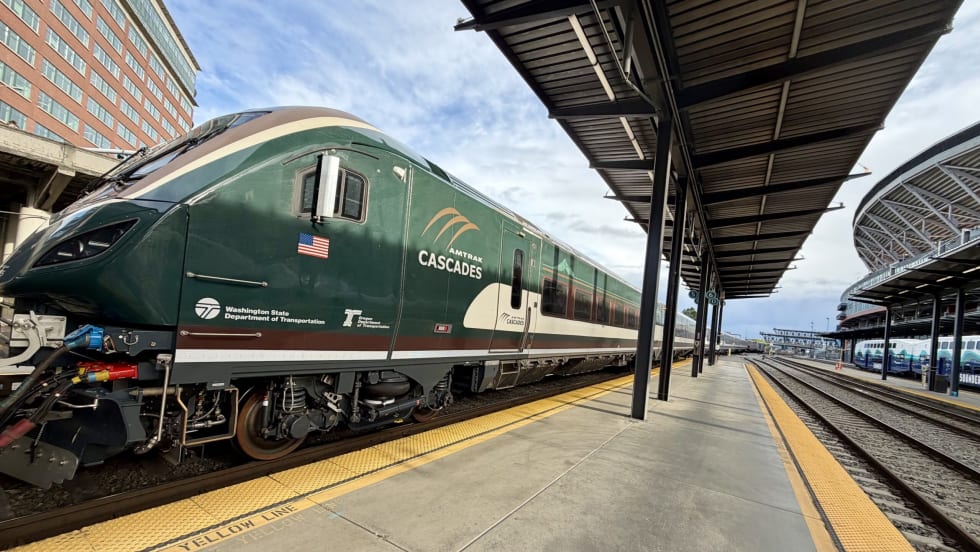
FRA Announces $5.3B in Rail Investments, Including $2B for Amtrak
Funding will support grade-crossing improvements, infrastructure upgrades, and new Amtrak equipment in 23 states.
Read More →
Finding the ‘Happy Medium’: Optimizing Maintenance Without Sacrificing Reliability
The key to maintenance optimization isn’t doing less work—it’s doing the right work at the right time on the right assets.
Read More →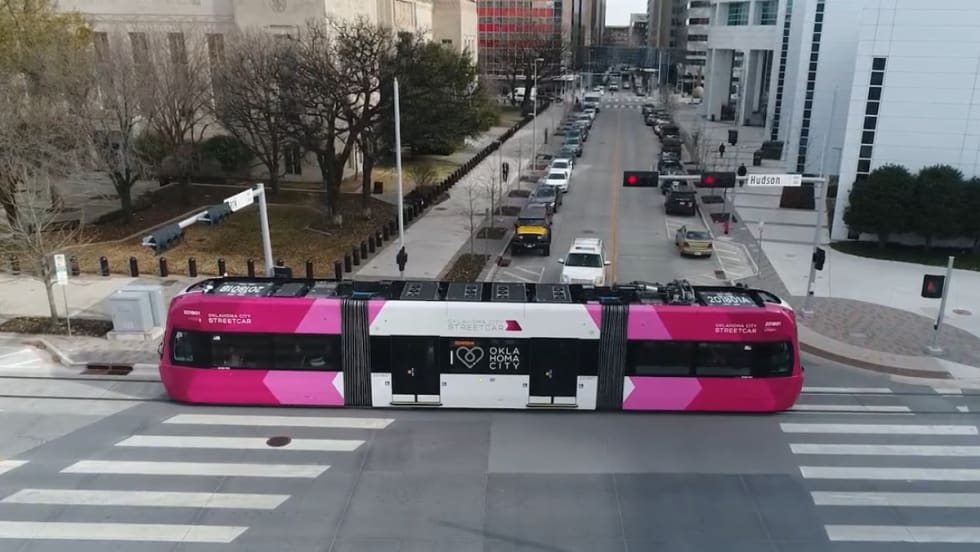
OKC Streetcar Makes Zero-Fare Service Permanent
Ridership increased an average of 71% compared with the same period a year earlier during the fare-free pilot.
Read More →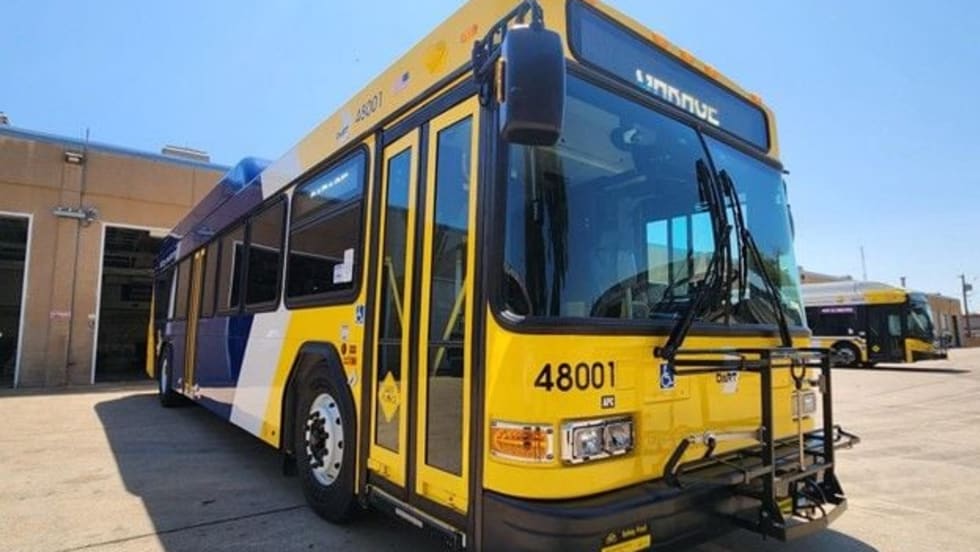
DART Customer Satisfaction Reaches Six-Year High
Overall satisfaction rose to 74.9%, while the agency’s Net Promoter Score reached a record 33.7.
Read More →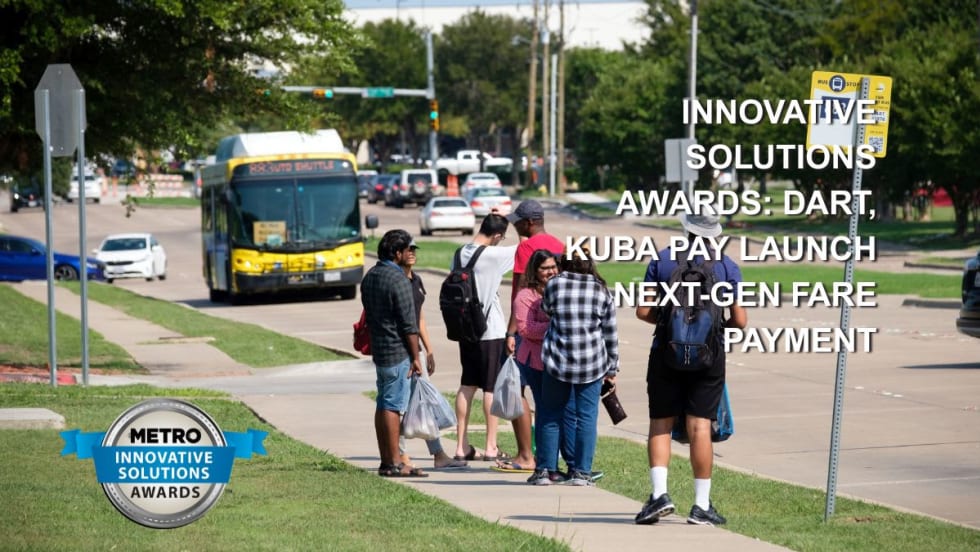
How DART's GoPass Is Redefining Regional Mobility
Serving 14 transit agencies, GoPass simplifies multimodal travel by allowing riders to plan, pay for, and manage an entire trip through one app.
Read More →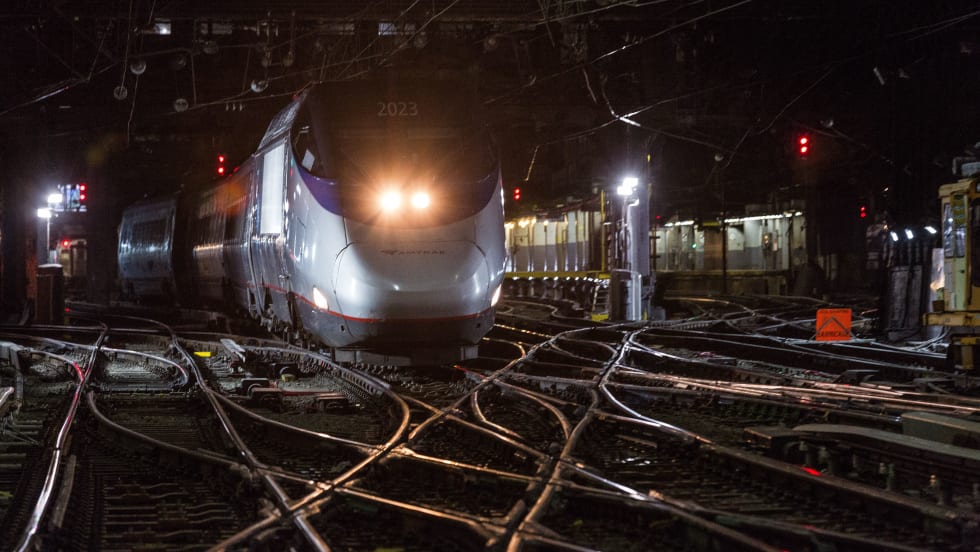
Amtrak Board Advances Plan to Restructure Organization, Seeks Public Input
The proposal, developed by Amtrak management and approved by the board for further consideration, is intended to modernize the organization's structure while improving accountability, operational efficiency, and customer service.
Read More →
Biz Briefs: STV teams with Amtrak, Motorcoach Operators Boost Fleet and Land Contracts, and More
From manufacturers and suppliers to transit agencies and motorcoach operators, these updates offer a snapshot of the projects, partnerships and business moves driving the industry forward.
Read More →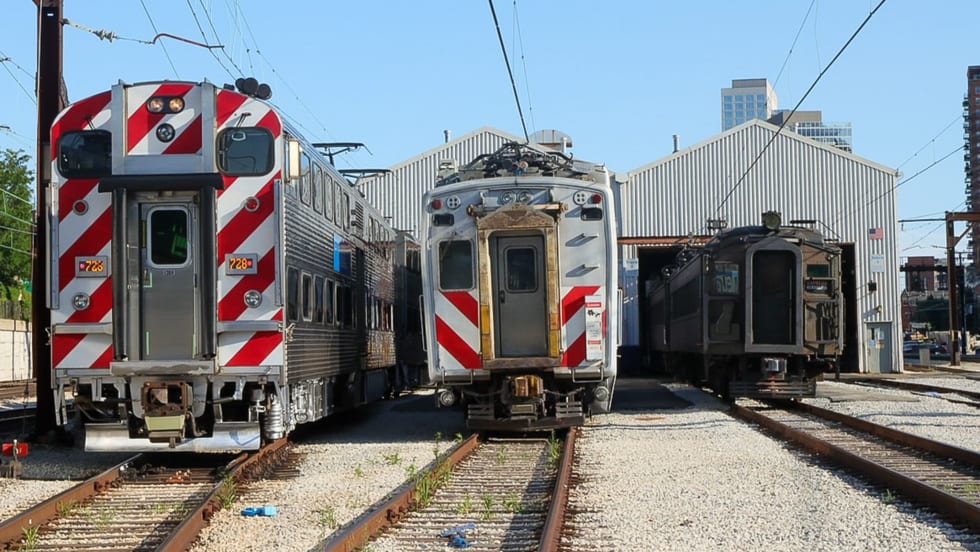
Metra Celebrates 100 Years of Electric Rail, Looks to the Future
The event was also a celebration of recent reforms to public transportation in the Chicago area, changes that could be as transformative in the future as the major civic achievement a century ago, said officials.
Read More →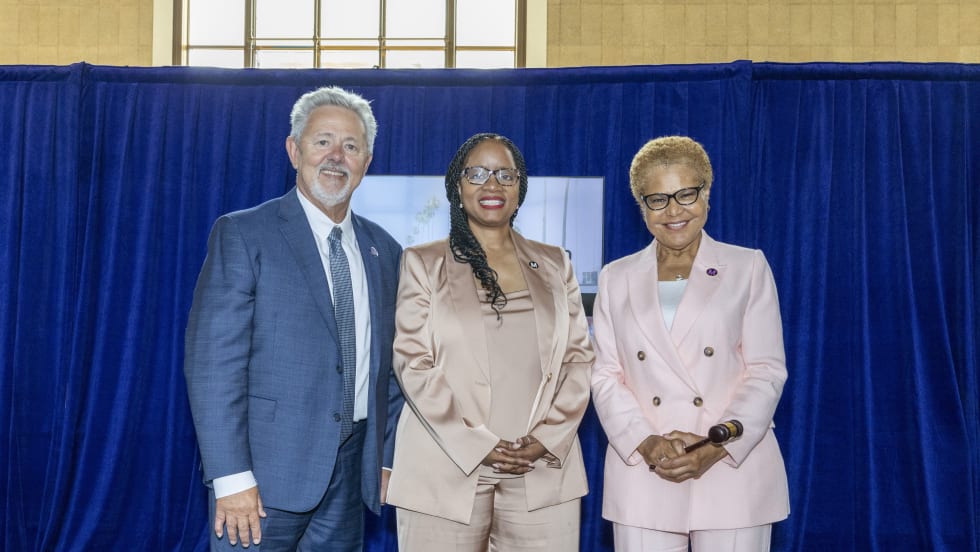
LA Metro Marks Banner Year, Sets Ambitious Goals for New Fiscal Year
Incoming LA Metro Board Chair and Los Angeles Mayor Karen Bass joined outgoing Board Chair Fernando Dutra and LA Metro CEO Stephanie Wiggins to review accomplishments from fiscal year 2026, which included the opening of new rail extensions, advancement of major transit projects, expanded safety programs, and new rider amenities.
Read More →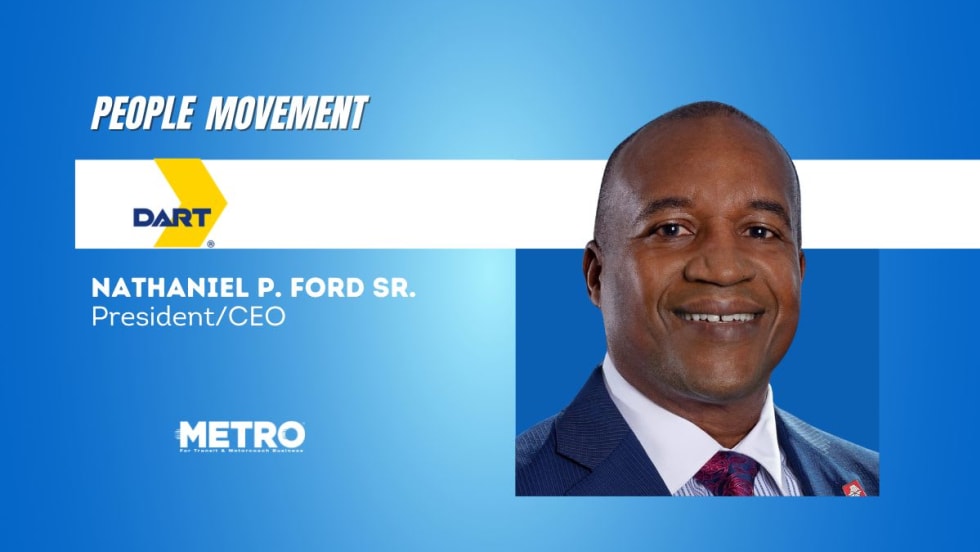
DART Taps Nathaniel P. Ford Sr. as Next President/CEO
Since 2012, Ford has served as the CEO of the Jacksonville Transportation Authority
Read More →