



D.C. Metro to Complete Platform Improvement Project, Launch New Service
The program includes completion of the multi-year platform reconstruction effort at 20 outdoor rail stations and several large-scale construction projects, including a major rehabilitation of the Yellow Line’s Potomac River tunnel and bridge crossing.
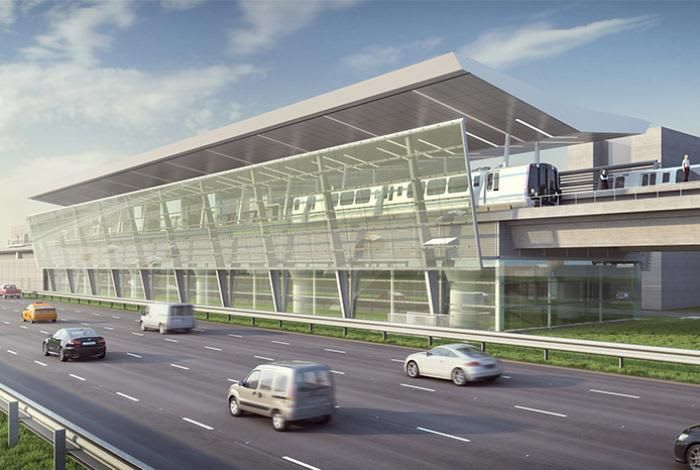
The program includes completion of the multi-year platform reconstruction effort at 20 outdoor rail stations and several large-scale construction projects, including a major rehabilitation of the Yellow Line’s Potomac River tunnel and bridge crossing.
Rendering via Clark Construction
As the Washington Metropolitan Area Transit Authority (Metro) prepares for the opening of both the Silver Line Extension and Potomac Yard Station in 2022, the transit authority will also advance its intensive state of good repair program. The program includes completion of the multi-year platform reconstruction effort at 20 outdoor rail stations and several large-scale construction projects, including a major rehabilitation of the Yellow Line’s Potomac River tunnel and bridge crossing.
Metro will soon introduce new service on the Silver Line — including six new rail stations, 12 miles of track, and a new rail yard. And this summer, platform reconstruction and station improvements will be underway on the eastern end of the Orange Line.
In September, the construction of new tracks to connect the future Potomac Yard Station to the mainline tracks will be completed, along with performance and safety testing required prior to the start of service. The station is expected to open this fall.
A major rehab of the Yellow Line tunnel and bridge will begin concurrently in September. Metro’s chief engineer has identified the steel-lined tunnel near L’Enfant Plaza as the agency’s top structural priority, with repairs needed to stop water intrusion and strengthen the tunnel lining. Metro will also remove and rewire miles of critical communications cabling used by multiple jurisdictions and make repairs to the Yellow Line bridge. The project and associated bridge closure is expected to begin in September and be completed in spring 2023.
“In order to maintain a healthy system, Metro needs an aggressive capital program. We will continue working with our regional partners to advance construction and rehabilitation projects that ensure a state of good repair for critical regional infrastructure. While service outages can be disruptive, we know they are foundational for maintaining safe and reliable service,” said Metro GM/CEO Paul J. Wiedefeld. “We have a lot of work to do this year and we will tackle major state of good repair projects while also introducing new service. We are committed to providing our customers with reliable alternatives and frequent updates on the work as it is conducted.”
More Rail

New York MTA Advances Final Contract for Second Avenue Subway Expansion
Contract Four is the largest in the Second Avenue Subway Phase 2 project and includes construction of station infrastructure, tracks, and signals for the subway expansion, MTA officials said. Work on Contract Four will begin in 2027.
Read More →
San Diego MTS Breaks Monthly Trolley Ridership Record
Agency officials said July’s ridership indicates MTS’s continued recovery from the pandemic.
Read More →
Report Examines NJ TRANSIT Reliability, Funding Challenges
The Garden State Initiative analysis examines the roles of Amtrak infrastructure, fleet management, and agency operations while recommending a more performance-based approach to improving reliability.
Read More →
Stadler, CapMetro Sign Long-Term Rail Fleet Support Agreement
Beginning in 2027, Stadler will provide on-site technical expertise, spare parts support, training, and obsolescence management to help extend the reliability and longevity of CapMetro’s GTW fleet.
Read More →
Biz Briefs: Alstom Lands Canadian Contract, LYT to Supply California TSP, and More
In METRO's latest installment, we take a look at recent news from Complete Coach Works, Beep, FlixBus, and more partnerships making headlines across the transportation sector.
Read More →
CATS Gold Line Marks 5 Years of Service, 2.8M Passenger Trips
With a six-mile expansion planned, the Charlotte streetcar is positioned to connect more neighborhoods and major transit hubs across the region.
Read More →
Why Simulating Pedestrian Movement Has Become Essential for Modern Rail Stations
Pedestrian microsimulation is helping rail planners identify bottlenecks, test station designs, and prepare complex transit hubs for growing passenger volumes.
Read More →
Amtrak Begins Major Construction at New York’s Sunnyside Yard
The new maintenance facility will support Amtrak’s Airo trainsets while improving maintenance efficiency and turnaround times in New York.
Read More →
Chicago Leaders Unveil Plans for O’Hare Airport Express Train
The privately developed project would offer a 15-minute trip between downtown and O’Hare’s Terminal 2, with trains operating every 15 minutes on a dedicated track. The service would use battery-electric trains and three existing freight rail rights-of-way.
Read More →
OCTA Maps Out 30-Year Strategy to Protect Coastal Rail Corridor
The draft feasibility report identifies strategies to protect the coastal rail line for decades as the agency continues near-term stabilization and sand placement efforts.
Read More →