



D.C. Metro unveils customer service plan
The plan was developed through extensive customer research, including surveys and focus groups of regular commuters, occasional riders and visitors to the Capital region.

The Washington Metropolitan Area Transit Authority (Metro) will unveil a new Customer Service Action Plan aimed at improving the customer experience across the system — from improved announcements and signage to easier payment options and customer service training for frontline employees.
“Over the past two years, we have focused on improving the safety and reliability of Metro through our massive rebuilding program, ‘Metro Forward,’” said Metro GM/CEO Richard Sarles. “Metro Forward is the foundation of customer service that we will now build upon as we sharpen our focus on service delivery with tangible actions and tools that will allow us to monitor our progress and identify ways to continually improve."
The plan was developed through extensive customer research, including surveys and focus groups of regular commuters, occasional riders and visitors to the Capital region. That rider feedback was used to identify more than 50 actions that would be most responsive to needs and priorities identified by customers.
Major themes that emerged for focus included: person-to-person service delivery, system communications, station environment, fare payment/machines, and security. Feedback from frontline Metro employees was also incorporated into the plan.
Riders said that their experience with station managers and bus operators was inconsistent and expressed concerns about availability of escalators and elevators, temperature control and low lighting. Fare payment was reported as an area that causes frustration, and security is a concern for riders at particular hours in the day.
Metro officials from multiple departments will report to the Board’s Customer Service and Operations Committee on Thursday the improvements they are making, including:
Customer service training. Metro will provide customer service training to 1,000 frontline employees, including station managers by November and bus operators by the end of the year.
New electronic information displays in Metrorail stations. To allow passenger information displays signs to more frequently display train arrival information, Metro will install new flat-screen monitors at station kiosks. The new screens will deliver “advisory” information at the fare gates, including service status, elevator outage notification, track work impacts and other information customers need before they enter the gates.
Improvements to SmarTrip. New features will include the ability for customers to automatically load value to the card when the balance drops below a specified threshold and the ability to purchase a SmarTrip card at all stations by the end of September.
Upgrades to Metrorail stations. Metro will install enhanced lighting at 14 stations by next July (2013), implement remote temperature monitoring at 47 stations by mid-July and continue the investment in escalator maintenance that has already resulted in reliability improvements.
Focus on security and youth behavior. Metro is working on communications and outreach through community organizations to understand and address issues around youth behavior on the system. To enhance security, Metro will add Metro Transit Police officers this year, including uniformed officers who will ride buses, as well as complete the installation of DVR-based camera systems on all buses next month.
Sarles said it is his expectation that this will be an evolving program. As Metro completes some actions, other customer priorities may be identified requiring future actions.
All initiatives announced in the plan are funded in the FY13 board-approved budget.
More Paratransit

Biz Briefs: RIPTA Unveils New Frontrunners, Clevland RTA Adds New Siemens, and More
In METRO's latest installment, we take a look at recent news from Siemens, Prevost, Dodge, and more partnerships making headlines across the transportation sector.
Read More →
King County Metro Makes ADA Paratransit Easier to Navigate
METRO's Innovative Solutions Award winner replaces complex service-area descriptions with an accessible, interactive map that puts paratransit information directly in customers’ hands.
Read More →
Jacksonville’s NAVI Project Charts a New Course for Autonomous Public Transportation
Through its NAVI program, JTA is showing how autonomous vehicles, intelligent infrastructure, and coordinated operations can work together to deliver everyday public transportation.
Read More →
Driving Smarter Paratransit
John Hanlon shares how AlphaRoute is leveraging AI-powered technology to help paratransit providers optimize operations, support frontline staff, and enhance the rider experience.
Read More →
METRO Magazine Announces 2026 Innovative Solutions Awards Winners
Projects Recognized for Advancing Mobility Through Technology, Accessibility, Workforce Innovation, and Operational Excellence
Read More →
Biz Briefs: STV teams with Amtrak, Motorcoach Operators Boost Fleet and Land Contracts, and More
From manufacturers and suppliers to transit agencies and motorcoach operators, these updates offer a snapshot of the projects, partnerships and business moves driving the industry forward.
Read More →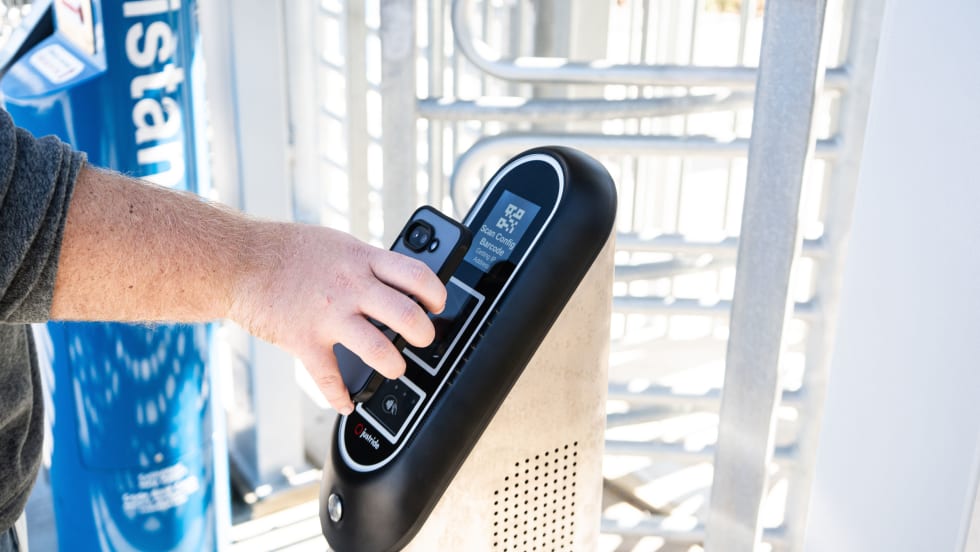
Biz Briefs: Masabi Teams with St. Louis Metro and More
In METRO's latest installment, we take a look at recent news from Transdev, Hitachi, and more partnerships making headlines across the transportation sector.
Read More →
New York MTA Leverages Zoning Program to Advance Station Accessibility
Accessibility enhancements at Nevins St Station will be financed through a development agreement tied to the MTA's Zoning for Accessibility initiative.
Read More →
Reinventing Fleet Maintenance with Real-time Visibility and AI
Transit leaders need to know what needs fixing, where to look, who is responsible, when work is completed, and what it costs without having to chase information across disconnected systems.
Read More →
SamTrans Sets Priorities for Potential Connect Bay Area Revenue
The board-approved framework allocates future funding to maintaining service, rider improvements, equity initiatives, and infrastructure repairs.
Read More →