



Daimler boasts 13 percent global market share
The sustained success of Daimler Buses is due to a long-term strategy that encompasses the four core objectives of Operational Excellence/Efficiency, Growth in Established Markets, Growth in New Markets and Technological Leadership, according to the company.

With 32,482 complete buses and chassis in a difficult overall market environment, unit sales at Daimler Buses in 2009 fell by 20 percent from the record figure for 2008. Revenues decreased by 12 percent, a much less severe decline than that for sales.
The lower decline for revenues was mainly due to decreased demand for chassis in Latin America coupled with demand skewed toward complete buses in the U.S. and Europe, where business was also much more stable.
Daimler Buses bucked the market trend in the U.S., Canada and Asia by increasing sales in those markets and also gaining market share. All in all, Daimler Buses achieved a global market share of 13 percent in the exceptionally difficult year of 2009.
The sustained success of Daimler Buses is due to a long-term strategy that encompasses the four core objectives of Operational Excellence/Efficiency, Growth in Established Markets, Growth in New Markets and Technological Leadership, according to the company.
The Beyond Bus Plus (BBP) efficiency-boosting program introduced by Daimler Buses in 2008 is an important component of the unit's strategy. Cash flow improved significantly within the framework of BBP in 2009.
To generate additional growth in established markets, Daimler Buses is also increasing its investment in service and aftersales activities, in the successor generations of the existing product range, and in compliance with global environmental legislation and Euro 6.
The unit's European production network and flexible production system enable Daimler Buses to optimally exploit its capacities in established markets, which is why production capacity in the core markets of Brazil (and thus Latin America) and Turkey were increased in 2009 so that the unit would be able to fully exploit market growth and the rising demand for buses once the crisis is over.
More Bus
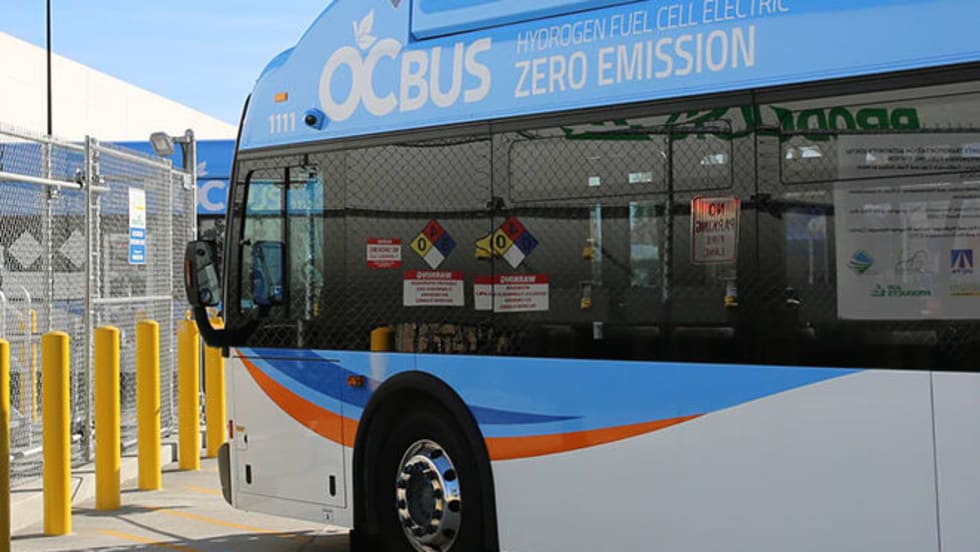
Biz Briefs: OCTA Taps Clean Energy for Hydrogen Station, Stadler to Supply Via Rail Vehicles, and More
From manufacturers and suppliers to transit agencies and motorcoach operators, these updates offer a snapshot of the projects, partnerships and business moves driving the industry forward.
Read More →
METRO Magazine Announces 2026 Innovative Solutions Awards Winners
Projects Recognized for Advancing Mobility Through Technology, Accessibility, Workforce Innovation, and Operational Excellence
Read More →
Biz Briefs: STV teams with Amtrak, Motorcoach Operators Boost Fleet and Land Contracts, and More
From manufacturers and suppliers to transit agencies and motorcoach operators, these updates offer a snapshot of the projects, partnerships and business moves driving the industry forward.
Read More →
LA Metro Marks Banner Year, Sets Ambitious Goals for New Fiscal Year
Incoming LA Metro Board Chair and Los Angeles Mayor Karen Bass joined outgoing Board Chair Fernando Dutra and LA Metro CEO Stephanie Wiggins to review accomplishments from fiscal year 2026, which included the opening of new rail extensions, advancement of major transit projects, expanded safety programs, and new rider amenities.
Read More →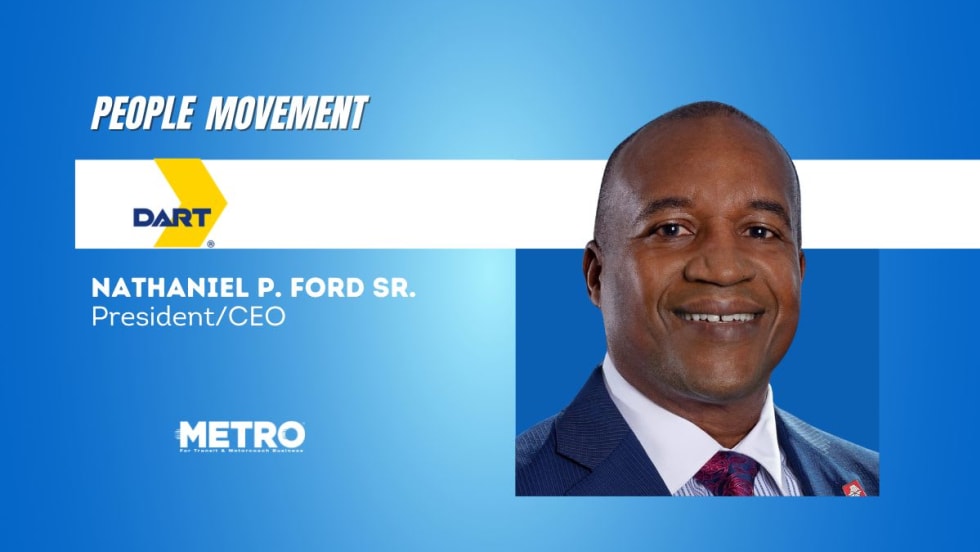
DART Taps Nathaniel P. Ford Sr. as Next President/CEO
Since 2012, Ford has served as the CEO of the Jacksonville Transportation Authority
Read More →
AC Transit’s Cecil Blandon on Building the Next Generation of Transit Maintenance Leaders
The agency’s maintenance chief discusses leadership, workforce development, zero-emission technology, and preparing technicians for the future of public transportation.
Read More →
Building the Next Generation of Transit Technology
In this edition of METROspectives, Luminator CEO Magnus Friberg discusses the company's transformation, the growing role of AI and software, and what's next for transit technology.
Read More →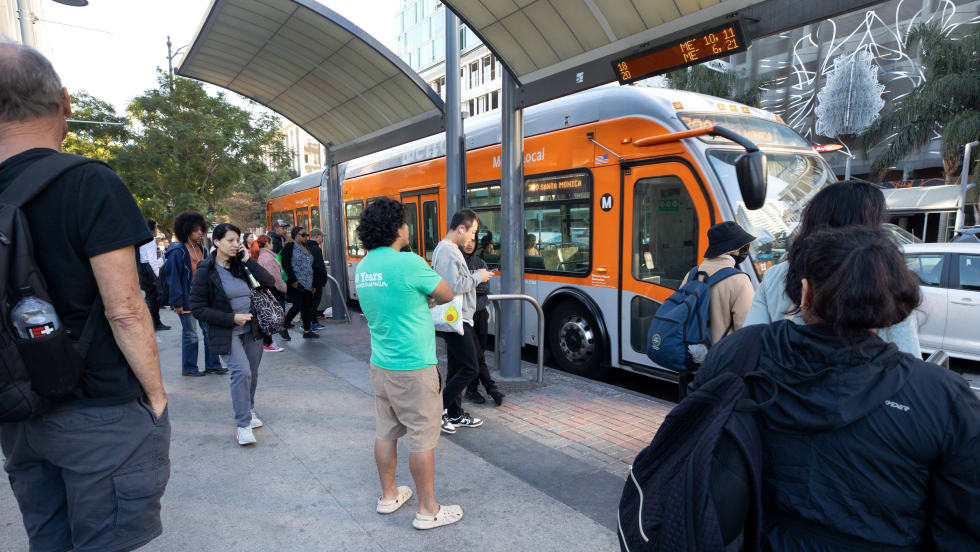
June LA Metro Ridership Surges 2 Million Year Over Year
Total June ridership increased for both weekdays and weekends. Weekday ridership was 953,820, which grew 8.4% from June 2025; Saturdays increased nearly 13% year-over-year to 708,826; and Sundays increased 7.7% to 611,534 from June 2025, according to LA Metro.
Read More →
Washington's Pierce Transit Board Sends Transit Funding Measure to November Ballot
With the adoption of Resolution 2026-006, the measure moves to the Pierce County Auditor, giving voters in the Pierce Transit service area the decision on whether to fund an expansion of local transit service within the agency’s service area.
Read More →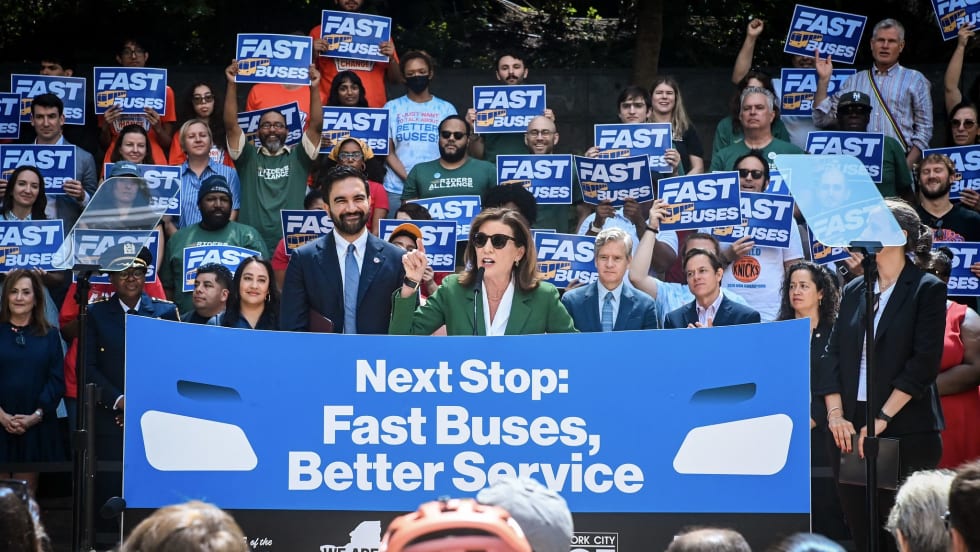
New York Unveils Sweeping Plan to Modernize City Bus Service
Next Stop: Fast Buses, Better Service identifies 50 priority bus corridors for improvements across the five boroughs and launches the City’s next generation of rapid bus service along five key routes.
Read More →