



Damaged NYC subway line may reopen early
Due to the high costs associated with rerouting, the subway line will be rebuilt mostly as it was before the attacks.

Transit officials said yesterday that the subway line partially destroyed near the World Trade Center would be rebuilt and open again as early as November, more than a year earlier than originally planned, reported The New York Times. After the Sept. 11 attacks, the Metropolitan Transit Authority had discussed the possibility of rebuilding the subway lines along an alternate route to better serve Battery Park City, said The Times. Due to the high costs associated with rerouting, the subway line will be rebuilt mostly as it was before the attacks. Because any modernization to the line will be a part of a second rebuilding phase, service is expected to be restored much earlier--just over a year after the attacks. About 575 feet of the line is totally collapsed, in two separate locations, but subway engineers have said that hundreds more feet are structurally unsound, with once-straight I-beams bent into curves and dozens of holes punched through the tunnel walls by falling debris, said The Times. Cost for the rebuilding, scheduled to begin now, is expected to be paid for with insurance money and with later help from the Federal Emergency Management Agency, said The Times.
More Rail
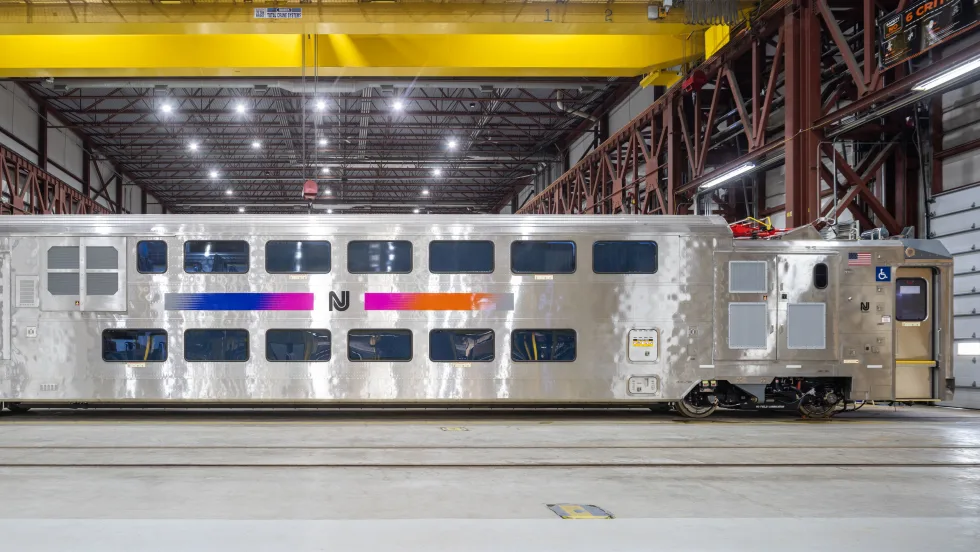
NJ TRANSIT Approves $65.6M for Hudson-Bergen Light Rail Improvements
The funding marks the first phase of a planned $250 million investment over five years to modernize stations, overhaul vehicles, and improve system reliability and passenger safety.
Read More →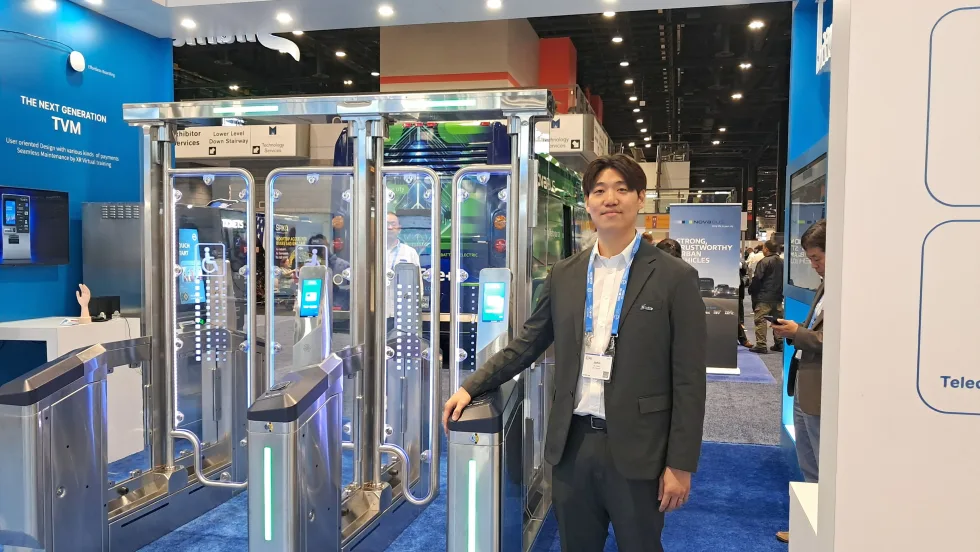
STraffic Expands North American Presence with Fare Collection Technology
John Moon, Associate Director, Product Strategy at STraffic, discusses the company's growth in North America, its efforts to reduce fare evasion, and more.
Read More →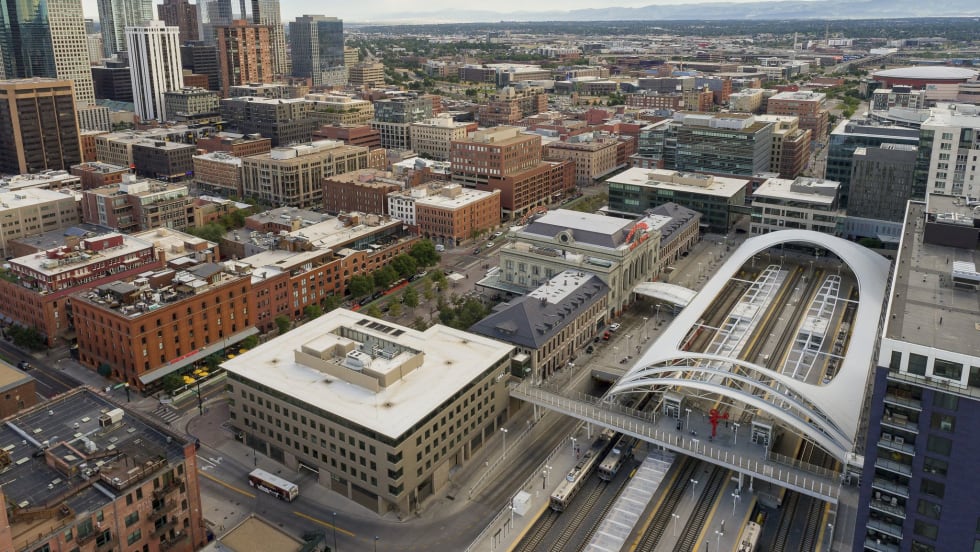
Study: Denver RTD Generates $2.1 Billion in Annual Economic Activity
An economic impact study finds the agency supports approximately 17,500 jobs, delivers $1.6 billion in annual community and mobility benefits, and generates $2.42 in economic value for every dollar invested.
Read More →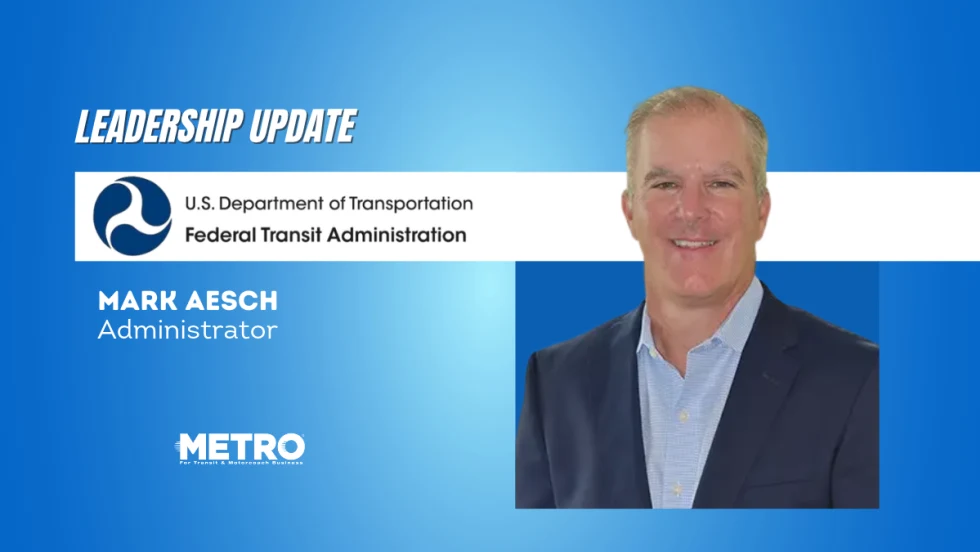
Mark Aesch Nominated to Lead Federal Transit Administration
The former Rochester transit chief and TransPro founder, who has also contributed to METRO Magazine, brings decades of industry experience and a focus on performance, accountability, and financial sustainability to the nomination.
Read More →
Transit Expands Agency Partnerships, Reaching 200 Official App Partners
COO Jake Sion discusses Transit’s growth, the success of its Transit Royale program, and how technology is helping agencies improve the rider experience.
Read More →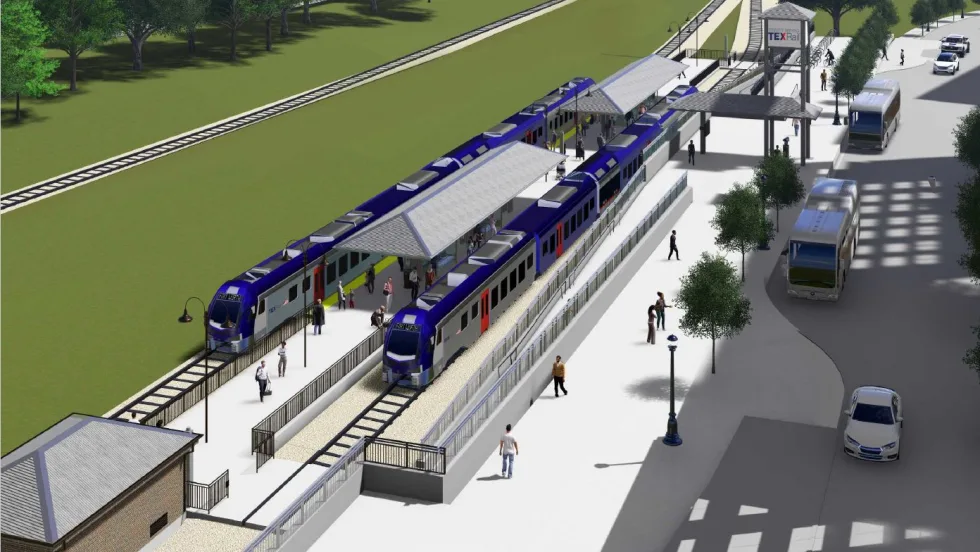
Trinity Metro Breaks Ground on $270M TEXRail Extension
The 2.1-mile extension will connect Fort Worth’s Medical District and Near Southside to downtown, surrounding communities, and Dallas-Fort Worth International Airport.
Read More →
Bringing Austin’s First Light Rail System to Life
Austin Transit Partnership CEO Greg Canally discusses the city's nearly 10-mile light rail project, its collaborative approach to project delivery, the importance of community engagement, and the milestones ahead as construction approaches in 2027.
Read More →
Metra Draft Plan Outlines Costs, Service Improvements for Regional Rail
The Systemwide Network Plan identifies infrastructure needs and potential investments to expand all-day, bidirectional rail service across the Chicago region.
Read More →
Amtrak Completes First Street Tunnel Upgrades, Restores Service
The nine-day construction project included replacing aging track infrastructure and modernizing switch systems near Washington Union Station.
Read More →
FRA Announces $2.3B for Passenger, Freight Rail Projects Nationwide
The CRISI Grant Program funding will support rail infrastructure improvements, safety upgrades, and projects aimed at improving freight and passenger rail service across 45 states and Washington, D.C.
Read More →