




Keep Reading: How Mentorship is Transforming Transit Workplaces
LIRR Service Resumes After Strike Ends With Tentative Labor Agreement
The agreement restores full commuter rail service after a three-day shutdown disrupted travel for hundreds of thousands of riders across the New York region.
May 19, 2026
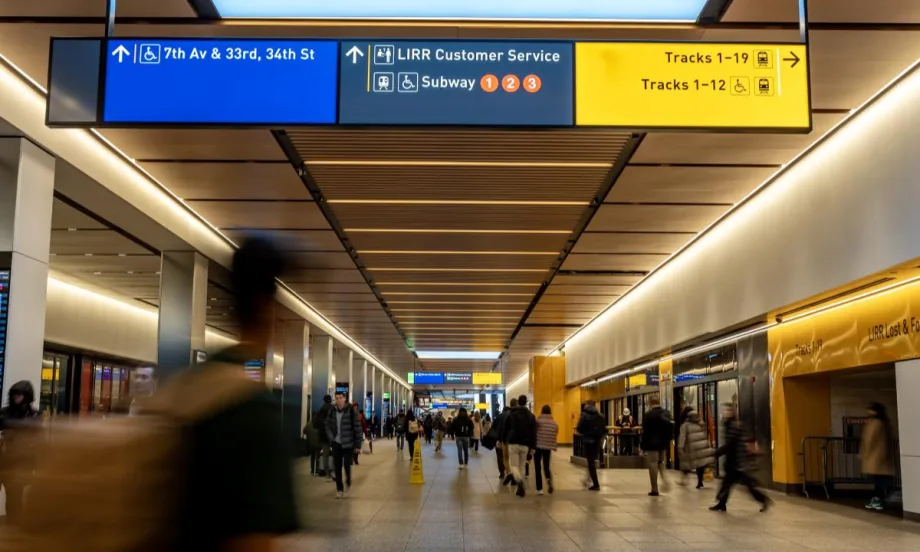
Emergency shuttle buses and alternative travel plans were deployed across the region during the LIRR strike, which temporarily halted commuter rail service between Long Island and New York City over the weekend.
Credit:
Metropolitan Transportation Authority
2 min to read
- A tentative labor agreement has been reached following a three-day Long Island Rail Road worker strike.
- The strike had caused significant disruption for daily commuters.
- Full LIRR service has been restored as of Tuesday, May 19, pending union ratification.
*Summarized by AI
Long Island Rail Road (LIRR) service resumed Tuesday, May 19, after the Metropolitan Transportation Authority and five unions reached a tentative agreement ending a three-day strike that shut down the nation’s busiest commuter rail system.
The strike, which began May 16, halted service for roughly 250,000 to 300,000 daily riders traveling between Long Island and New York City and marked the LIRR’s first strike since 1994.
According to the MTA, limited service resumed at noon Tuesday, with full service returning in time for the afternoon rush hour. Shuttle buses continued operating during the morning commute as officials encouraged riders to work remotely where possible.
The labor dispute centered on wage increases and healthcare costs after contract negotiations between the MTA and union groups stalled. Workers reportedly sought raises above 4% for the final year of the agreement, while the MTA had offered 3% increases alongside proposed work-rule changes.
New York Governor Kathy Hochul announced the agreement Monday evening, stating the deal would provide wage increases while protecting riders and taxpayers from additional fare hikes or taxes. Specific contract terms have not yet been publicly released pending union ratification.
The shutdown triggered widespread commuter disruptions across the region, according to CBS News. Emergency transportation plans included shuttle bus operations, expanded parking access, and recommendations for telework. Nassau County officials reported lower-than-expected shuttle bus usage during the strike period.
Amid the service suspension, MTA officials warned there was “no adequate substitute” for normal LIRR operations due to the railroad’s daily passenger volume.
The tentative agreement now heads to union members for ratification voting in the coming days.
More Management

Bus Tech Talk: Keeping Transit Technicians Ahead of the Technology Curve
In this episode of Bus Tech Talk, Complete Coach Works’ Business Development Manager Mark Hollenbeck and METRO’s Executive Editor Alex Roman sit down with Obed Mejia, Senior Technical Trainer for Bus Maintenance, at LA Metro to discuss how rapidly evolving bus technology is changing the maintenance shop — and the skills technicians need to keep pace.
Read More →
Michael Schneider Joins Paslay Group to Expand Transportation Practice
The longtime transportation executive will help Paslay Group grow its advisory and program management work across transit, highway, and other infrastructure sectors.
Read More →
People Movement: Connectpoint Expands Leadership Team, Stadler Names New Group CEO, and More
In this edition, we also spotlight recent personnel moves at Burns, UZURV, and more, highlighting the people taking on new roles across the transportation industry.
Read More →
More Than a Summer Job: Building the Next Generation of Transit Talent
The Delaware River Port Authority and PATCO have transformed their internship program into a hands-on professional development experience that introduces students to the breadth of transportation careers — and creates a pipeline for future employees.
Read More →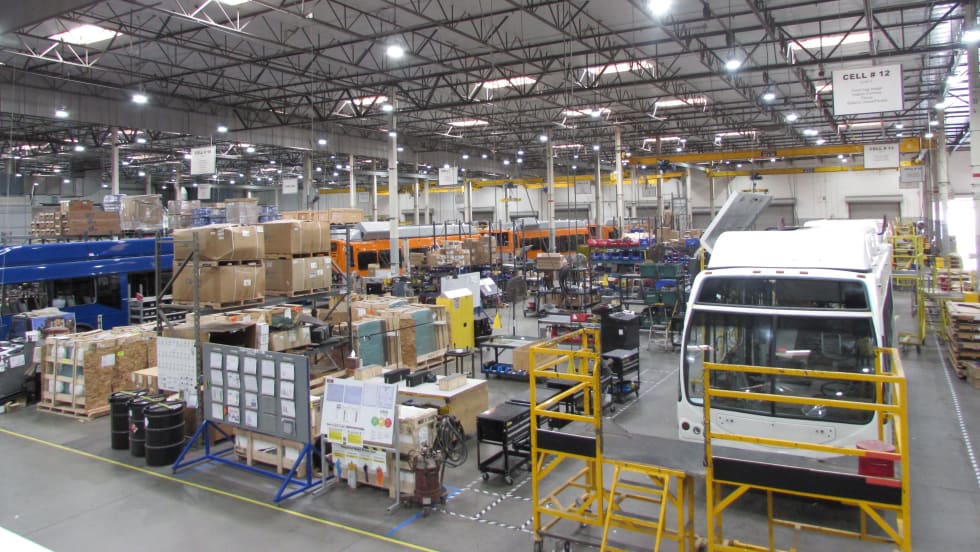
LA Metro Board Awards 220 Battery-Electric Bus Contract to ENC
The contract, which is the largest base award of battery-electric buses by a U.S. transit agency, will be built in Southern California, sustaining good jobs as LA prepares to welcome the world in 2028
Read More →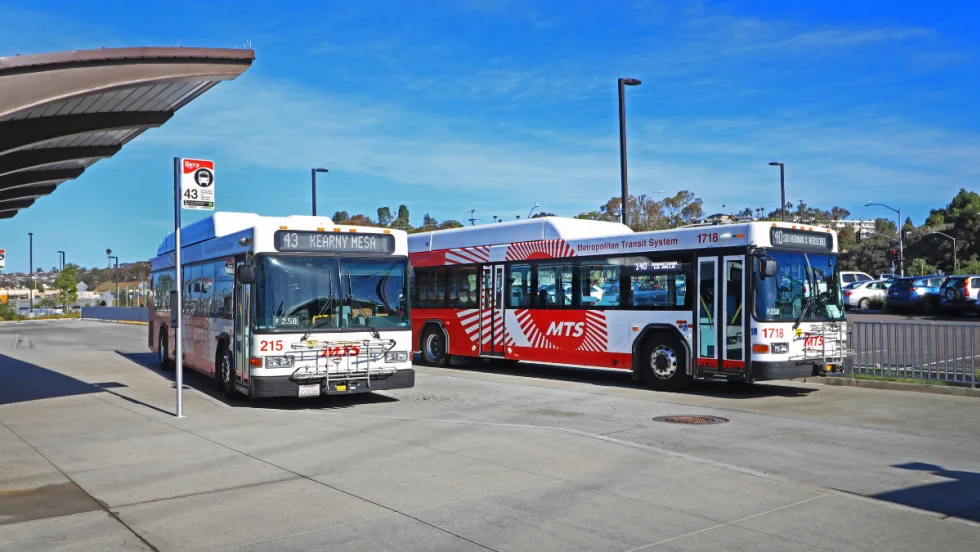
What’s Behind San Diego MTS’s Award-Winning Transit Strategy
Named one of APTA’s 2026 Outstanding Public Transportation Systems with 50 million or more annual passenger trips, California’s San Diego Metropolitan Transit System points to gains in ridership, safety, technology, and reliability as foundations of its success.
Read More →
Public Transit Conference Returning to GFX in 2027, Call for Papers Now Open
The Call for Papers is now open, allowing transit agency professionals and industry experts to help shape the PTC educational program by submitting session ideas for consideration.
Read More →
Indian River Transit’s Community-Focused Approach Earns National Recognition
Named APTA’s 2026 Outstanding Public Transportation System in its size category, Florida’s Indian River County transit system continues to grow ridership through fare-free service and a focus on evolving community needs.
Read More →
ENC Lands MATA Contract and More in Biz Briefs
In this edition of Biz Briefs, we spotlight the latest developments shaping the future of mobility.
Read More →From Surviving to Thriving: Building Stronger Transportation Organizations
Bus Business Consultants founder Brian Dickson shares lessons on leadership, organizational health, and creating options for long-term success in a changing transportation industry.
Read More →