



Final Rule banning hand-held cell phone, texting released
The final rule prohibits commercial drivers from using a hand-held mobile telephone while operating a commercial truck or bus. Drivers who violate the restriction will face federal civil penalties of up to $2,750 for each offense and disqualification from operating a commercial motor vehicle for multiple offenses.

U.S. Transportation Secretary Ray LaHood announced a final rule specifically prohibiting interstate truck and bus drivers from using hand-held cell phones while operating their vehicles. The joint rule from the Federal Motor Carrier Safety Administration (FMCSA) and the Pipeline and Hazardous Materials Safety Administration (PHMSA) is the latest action by the U.S. Department of Transportation to end distracted driving.
"When drivers of large trucks, buses and hazardous materials take their eyes off the road for even a few seconds, the outcome can be deadly," said Transportation Secretary Ray LaHood. "I hope that this rule will save lives by helping commercial drivers stay laser-focused on safety at all times while behind the wheel."
The final rule prohibits commercial drivers from using a hand-held mobile telephone while operating a commercial truck or bus. Drivers who violate the restriction will face federal civil penalties of up to $2,750 for each offense and disqualification from operating a commercial motor vehicle for multiple offenses.
Additionally, states will suspend a driver's commercial driver's license (CDL) after two or more serious traffic violations. Commercial truck and bus companies that allow their drivers to use hand-held cell phones while driving will face a maximum penalty of $11,000.
In September 2010, FMCSA issued a regulation banning text messaging while operating a commercial truck or bus and PHMSA followed with a companion regulation in February 2011, banning texting by intrastate hazardous materials drivers.
While driver distraction studies have produced mixed results, FMCSA research shows that using a hand-held cell phone while driving requires a commercial driver to take several risky steps beyond what is required for using a hands-free mobile phone, including searching and reaching for the phone. Commercial drivers reaching for an object, such as a cell phone, are three times more likely to be involved in a crash or other safety-critical event. Dialing a hand-held cell phone makes it six times more likely that commercial drivers will be involved in a crash or other safety-critical event.
"While it's a very important rule, and certainly, something we applaud the Secretary for initiating, I don't know it will have much of an impact since most companies already have policies prohibiting drivers from using cell phones while they are driving," said United Motorcoach Association President/CEO Victor S. Parra. "So from that standpoint, I don't think it's going to really alter policies that much."
In fact, many of the largest truck and bus companies, such as UPS, Covenant Transport, Wal-Mart, Peter Pan and Greyhound, already have company policies in place banning their drivers from using hand-held phones; however, Norm Littler, VP, regulatory & industry affairs, for the American Bus Association said even with these rules in place the carrier could still be held liable under the new rule.
"The thing we express some concern over is the employer liability," said Littler. "If a driver violates company policies as well as the new rules and uses a handheld cell phone, the way the rule reads it would still mean the company could be liable under FMCSA rules for the violation and subject to a potential fine."
Having a clear and concise written rule in place stating that hand-held cell phones and texting is against company rules and making certain that all drivers have read the policy and signed off on it is the best course of action for carriers to protect themselves should an incident occur, Littler added.
"As with anything, have your policies in place, revisit them, make certain that they are adjusted as necessary, test them and make certain you have evidence that everybody in your company is aware of them and have read and agreed with them," he said.
Nearly 5,474 people died and half a million were injured in crashes involving a distracted driver in 2009. Distraction-related fatalities represented 16% of overall traffic fatalities in 2009, according to National Highway Traffic Safety Administration research.
The final hand-held cell phone ban rule can be accessed here.
More Motorcoach
People Movement: ABC Names John Walsh as Chief Commercial Officer
In this edition, METRO also covers recent appointments and announcements at the DART, STV, and more, showcasing the individuals helping to shape the future of transportation.
Read More →
From Surviving to Thriving: Building Stronger Transportation Organizations
Bus Business Consultants founder Brian Dickson shares lessons on leadership, organizational health, and creating options for long-term success in a changing transportation industry.
Read More →
Biz Briefs: Luminator Marks Milestone and More
From manufacturers and suppliers to transit agencies and motorcoach operators, these updates offer a snapshot of the projects, partnerships and business moves driving the industry forward.
Read More →
ABAF Study Reveals Growing Insurance Crisis for Motorcoach Operators
Preliminary findings show 98% of operators faced premium increases over the past five years, while shrinking insurer participation is putting added pressure on businesses and customers.
Read More →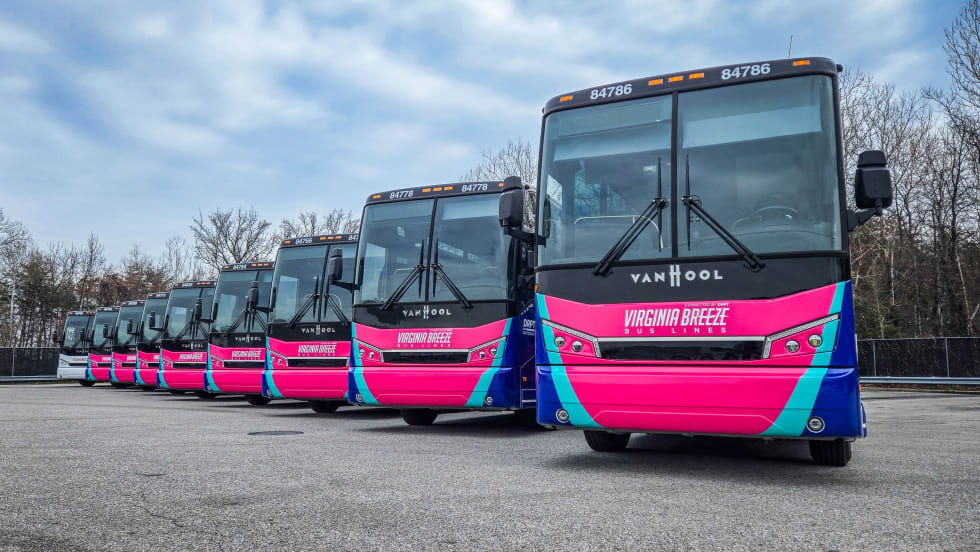
Motorcoach Market Remains Flat Amid Shift in Buying Patterns
Q2 sales totaled 514 units, up slightly from 2025, as operators favored pre-owned equipment and public-sector purchases increased.
Read More →
Biz Briefs: OCTA Taps Clean Energy for Hydrogen Station, Stadler to Supply Via Rail Vehicles, and More
From manufacturers and suppliers to transit agencies and motorcoach operators, these updates offer a snapshot of the projects, partnerships and business moves driving the industry forward.
Read More →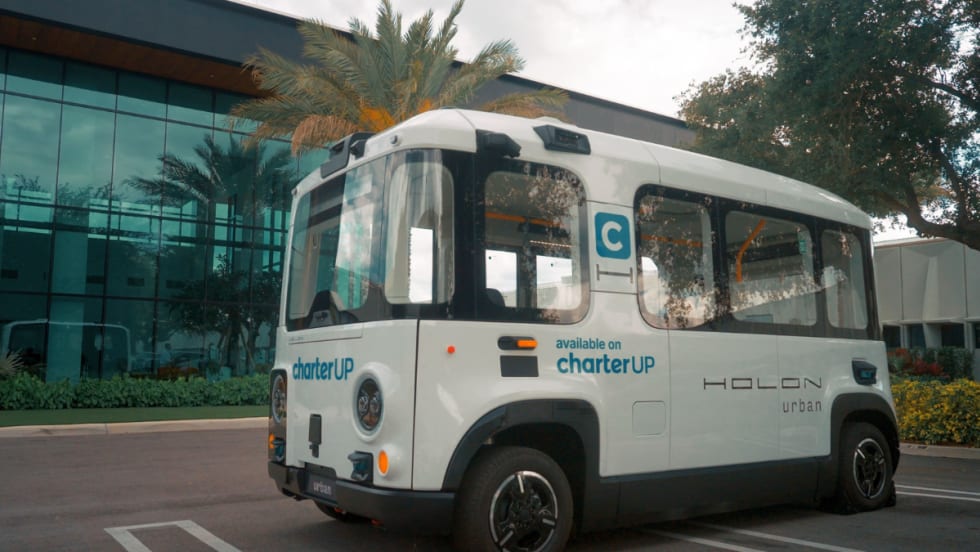
CharterUP Expands Into New Mobility and Autonomous Transportation
Vice President of New Mobility Stephen Joos discusses how CharterUP is leveraging its nationwide transportation network, technology platform, and autonomous vehicle partnerships to expand into workforce mobility, campus shuttles, and transit solutions.
Read More →
Biz Briefs: STV teams with Amtrak, Motorcoach Operators Boost Fleet and Land Contracts, and More
From manufacturers and suppliers to transit agencies and motorcoach operators, these updates offer a snapshot of the projects, partnerships and business moves driving the industry forward.
Read More →
EPA Proposal to Ease Diesel Emissions Compliance Could Improve Reliability for Motorcoach Operators
The EPA is proposing to remove DEF-related engine derates for new heavy-duty diesel vehicles, a change bus operators say would improve safety and reliability while sparking debate over the future of emissions enforcement.
Read More →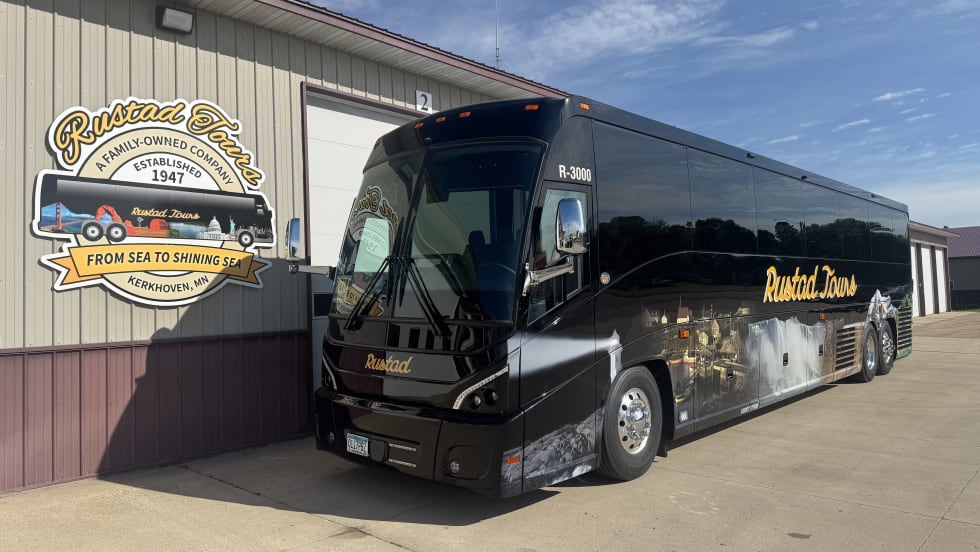
Minnesota's Rustad Tours Takes Delivery of New MCI Motorcoach
The latest addition represents Rustad Tours’ 17th new MCI coach, marking more than four decades of partnership between the two companies.
Read More →