



Fla.'s JTA testing ADA-accessible autonomous shuttle
The agency welcomed officials and disability advocate groups to experience the shuttle and to provide feedback.

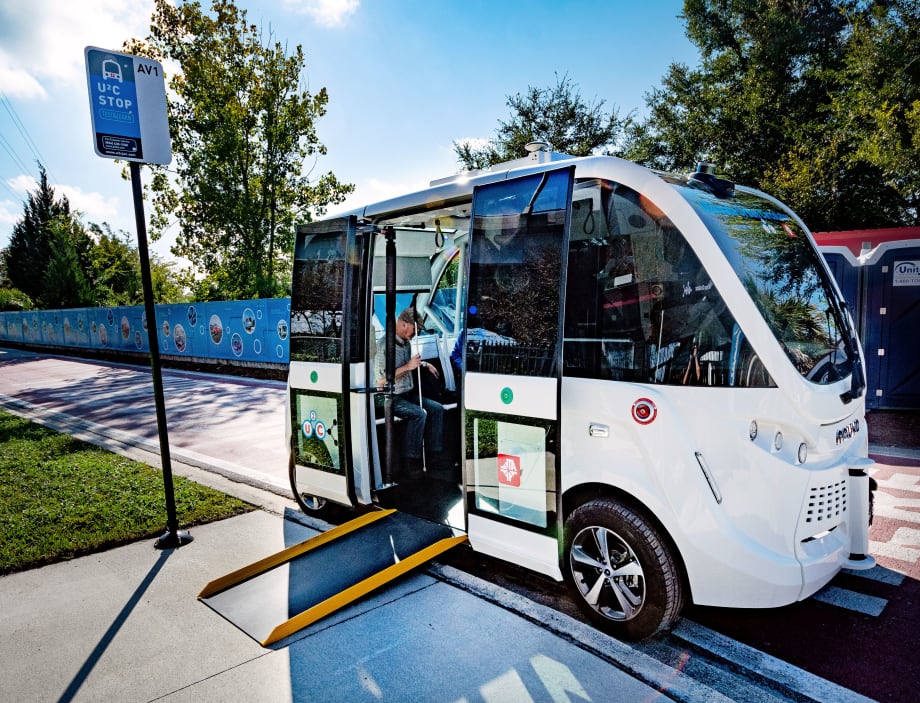
The JTA embarked on developing an autonomous vehicle service for public transportation in 2017, officially launching the U2C program.
JTA
The JTA embarked on developing an autonomous vehicle service for public transportation in 2017, officially launching the U2C program.
JTA
Fla.’s Jacksonville Transportation Authority (JTA) is testing the first ADA accessible NAVYA autonomous vehicle prototype in the U.S. at its Ultimate Urban Circulator (U2C) Test and Learn Track.
JTA recently welcomed members from the City of Jacksonville and Mayor’s Disability Council and the Jacksonville Transportation Advisory Committee to experience the shuttle and to provide feedback on their first test rides.
Jacksonville Mayor Lenny Curry’s Disability Council comprises 13 members who serve as community liaisons from a multitude of agencies, disability backgrounds, and business professions.
The JTA’s Transportation Advisory Committee serves to advise JTA’s board on policies and other matters pertaining to transportation of persons with disabilities, and also advocates on behalf of the JTA for improvements to public transit services in the community. They are also key in the continued development of the U2C program.
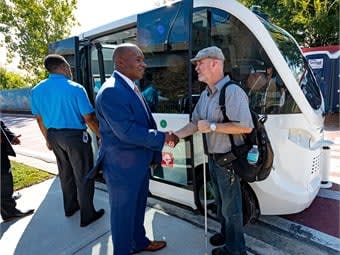
JTA recently welcomed members from the City of Jacksonville and Mayor’s Disability Council and the Jacksonville Transportation Advisory Committee to experience the shuttle and to provide feedback on their first test rides.
JTA
The JTA embarked on developing an autonomous vehicle service for public transportation in 2017, officially launching the U2C program.
Once completed, the U2C will comprise four main projects, the first of which is the Bay Street Innovation Corridor — a three-mile at-grade loop along East Bay Street on Downtown Jacksonville’s Northbank. This phase will connect the east and west sides of Downtown Jacksonville from the new Jacksonville Regional Transportation Center at LaVilla, which opens in March 2020, and the city’s sports and entertainment district.
Simultaneously the JTA is developing Autonomous Avenue, which is the first conversion of an elevated monorail system to a roadway that supports autonomous vehicles. This first .9-mile leg will serve as a proof of concept, not only for the JTA, but for the entire country, which will continue throughout the Skyway’s entire 2.5-mile footprint. Finally, the JTA will expand the current Skyway through at-grade connections to serve a 10-mile network that flows through neighborhoods near Downtown Jacksonville.
The Bay Street Innovation Corridor received the backing of the Federal Transit Administration in December 2018 with the award of a $12.5 million Better Utilizing Investments to Leverage Development or BUILD grant. This $44 million phase is actively in development and planning.
More Paratransit

Biz Briefs: RIPTA Unveils New Frontrunners, Clevland RTA Adds New Siemens, and More
In METRO's latest installment, we take a look at recent news from Siemens, Prevost, Dodge, and more partnerships making headlines across the transportation sector.
Read More →
King County Metro Makes ADA Paratransit Easier to Navigate
METRO's Innovative Solutions Award winner replaces complex service-area descriptions with an accessible, interactive map that puts paratransit information directly in customers’ hands.
Read More →
Jacksonville’s NAVI Project Charts a New Course for Autonomous Public Transportation
Through its NAVI program, JTA is showing how autonomous vehicles, intelligent infrastructure, and coordinated operations can work together to deliver everyday public transportation.
Read More →
Driving Smarter Paratransit
John Hanlon shares how AlphaRoute is leveraging AI-powered technology to help paratransit providers optimize operations, support frontline staff, and enhance the rider experience.
Read More →
METRO Magazine Announces 2026 Innovative Solutions Awards Winners
Projects Recognized for Advancing Mobility Through Technology, Accessibility, Workforce Innovation, and Operational Excellence
Read More →
Biz Briefs: STV teams with Amtrak, Motorcoach Operators Boost Fleet and Land Contracts, and More
From manufacturers and suppliers to transit agencies and motorcoach operators, these updates offer a snapshot of the projects, partnerships and business moves driving the industry forward.
Read More →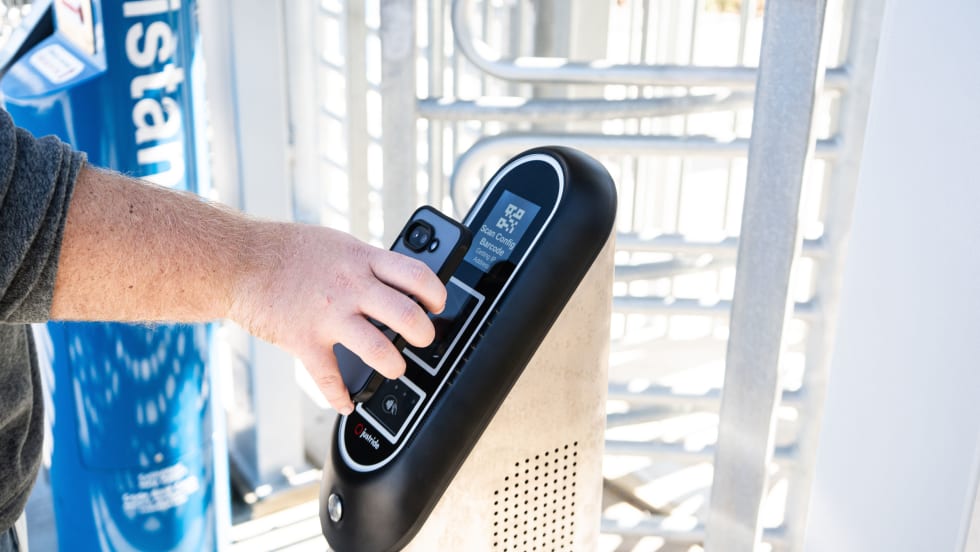
Biz Briefs: Masabi Teams with St. Louis Metro and More
In METRO's latest installment, we take a look at recent news from Transdev, Hitachi, and more partnerships making headlines across the transportation sector.
Read More →
New York MTA Leverages Zoning Program to Advance Station Accessibility
Accessibility enhancements at Nevins St Station will be financed through a development agreement tied to the MTA's Zoning for Accessibility initiative.
Read More →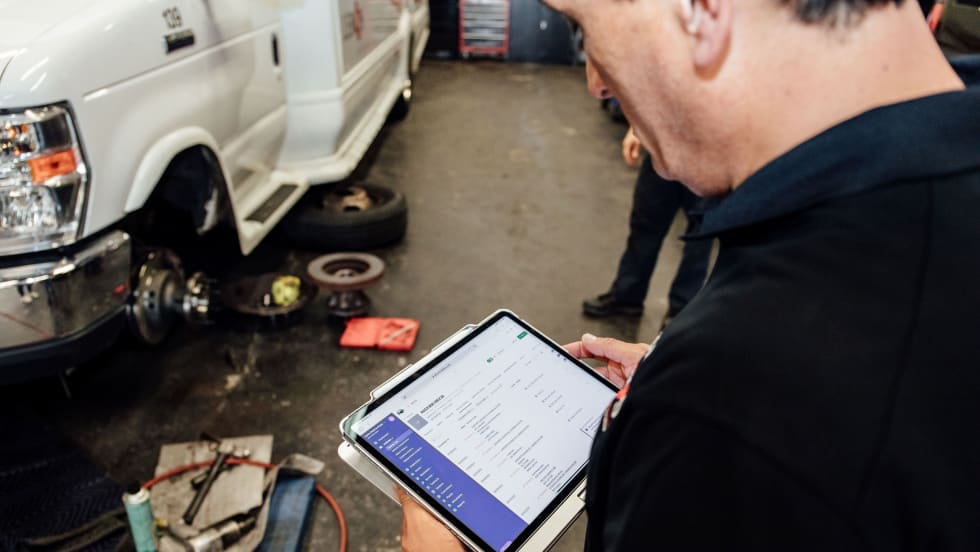
Reinventing Fleet Maintenance with Real-time Visibility and AI
Transit leaders need to know what needs fixing, where to look, who is responsible, when work is completed, and what it costs without having to chase information across disconnected systems.
Read More →
SamTrans Sets Priorities for Potential Connect Bay Area Revenue
The board-approved framework allocates future funding to maintaining service, rider improvements, equity initiatives, and infrastructure repairs.
Read More →