



FlixBus European business sees 50% uptick over summer
Top destinations in summer 2018 were: Berlin, Paris, Munich, Hamburg, Prague, Frankfurt, Vienna, Amsterdam, Rome, and Milan.

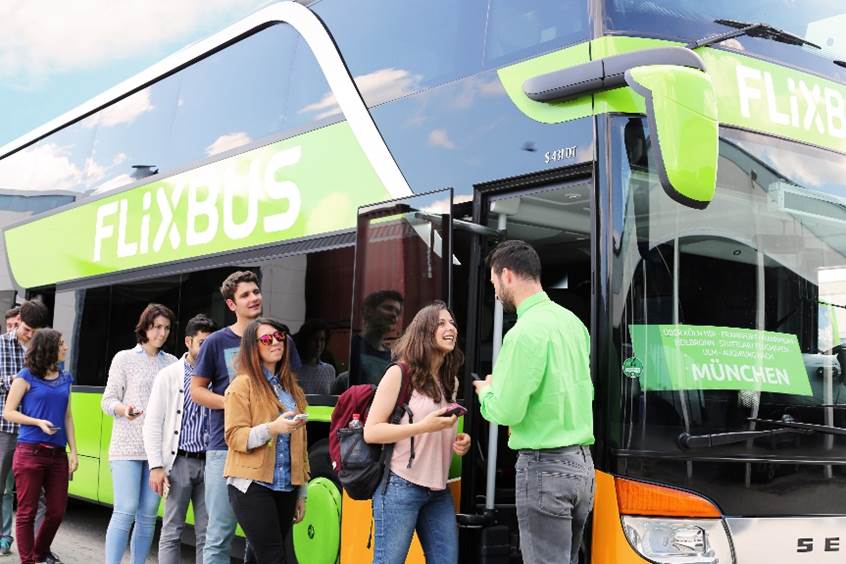
More than 100 million people have traveled with FlixBus since the company launched in Germany in 2013.
FlixBus

More than 100 million people have traveled with FlixBus since the company launched in Germany in 2013.
FlixBus
Europeans traveled more than ever by long-distance bus in summer 2018. According to FlixBus passenger data, 50% more passengers traveled by bus throughout Europe in June, July, and August compared to the same period in 2017.
The top FlixBus destinations in summer 2018 were: Berlin, Paris, Munich, Hamburg, Prague, Frankfurt, Vienna, Amsterdam, Rome, and Milan.
“Our goal is to offer mobility for everyone to experience the world, and we are happy to see more and more people making bus their first choice for long trips,” said André Schwämmlein, co-founder and CEO of FlixMobility. “In addition to a more-positive perception of bus travel in general, the expansion of the FlixBus network to connect even more smaller cities, as well as the opening of domestic markets across Europe contributes to our growth.”
While the average FlixBus summer travel increase across Europe was 50%, many countries more than doubled their passenger numbers. Countries with an increase of 100% or more included Belgium, Bosnia and Herzegovina, Croatia, Czech Republic, Hungary, and Spain. Luxemburg, Norway, and Sweden more than tripled their passenger numbers, Portugal saw an increase of more than five times the 2017 numbers, and markets such as Poland and Romania recorded even larger increases.
Every country in the FlixBus network recorded passenger increases over the previous year.
The FlixBus and FlixTrain networks connect Europe with over 300,000 daily connections to over 2,000 destinations to major hubs as well as rural regions; roughly 40% of FlixBus stops in Europe are in cities with a population of less than 20,000.
More than 100 million people have traveled with FlixBus since the company launched in Germany in 2013.
More Motorcoach

METRO Opens Submissions for 2026 Motorcoach Awards
Nominations are now being accepted for METRO Magazine’s Operator of the Year and Innovative Operator of the Year awards.
Read More →
Biz Briefs: Alstom Lands Canadian Contract, LYT to Supply California TSP, and More
In METRO's latest installment, we take a look at recent news from Complete Coach Works, Beep, FlixBus, and more partnerships making headlines across the transportation sector.
Read More →
Biz Briefs: RIPTA Unveils New Frontrunners, Clevland RTA Adds New Siemens, and More
In METRO's latest installment, we take a look at recent news from Siemens, Prevost, Dodge, and more partnerships making headlines across the transportation sector.
Read More →
People Movement: Holly Arnold Joins Transdev and More
In this edition, we also cover recent appointments and announcements at Pace, CamTran, MCI, and more, showcasing the individuals helping to shape the future of transportation.
Read More →
ABA Report: Motorcoach Travel Generates $161.6B Economic Impact
The 2025 analysis finds motorcoach travel supported nearly 900,000 jobs and generated $28 billion in federal, state, and local taxes.
Read More →
CharterUP’s Armir Harris on Technology, AI, and the Future of Group Mobility
In a recent episode of METROspectives, CharterUP Founder/CEO Armir Harris discussed the company’s evolution from an online charter bus marketplace into a technology platform supporting public- and private-sector mobility and much more.
Read More →
People Movement: ABC Names John Walsh as Chief Commercial Officer
In this edition, METRO also covers recent appointments and announcements at the DART, STV, and more, showcasing the individuals helping to shape the future of transportation.
Read More →
From Surviving to Thriving: Building Stronger Transportation Organizations
Bus Business Consultants founder Brian Dickson shares lessons on leadership, organizational health, and creating options for long-term success in a changing transportation industry.
Read More →
Biz Briefs: Luminator Marks Milestone and More
From manufacturers and suppliers to transit agencies and motorcoach operators, these updates offer a snapshot of the projects, partnerships and business moves driving the industry forward.
Read More →
ABAF Study Reveals Growing Insurance Crisis for Motorcoach Operators
Preliminary findings show 98% of operators faced premium increases over the past five years, while shrinking insurer participation is putting added pressure on businesses and customers.
Read More →