



FMCSA develops medical examiner certification registry
The National Registry of Certified Medical Examiners was created to accompany the new final rule that requires healthcare professionals who perform medical examinations for interstate truck and bus drivers to be trained, tested and certified on the specific physical qualifications that affect a driver's ability to safely operate the vehicle.

The Federal Motor Carrier Safety Administration (FMCSA) announced a new safety rule that requires health care professionals who perform medical examinations for interstate truck and bus drivers to be trained, tested and certified on the specific physical qualifications that affect a driver's ability to safely operate the vehicle.
The final rule also creates a national online database of medical examiners who have completed the FMCSA certification process.
FMCSA developed the National Registry of Certified Medical Examiners final rule as part of the agency's commitment to enhancing the medical oversight of interstate drivers and preventing commercial vehicle-related crashes, injuries and fatalities. This rule addresses four National Transportation Safety Board recommendations on comprehensive training for medical examiners and tracking of driver medical certificates.
In 30 days, FMCSA will post its uniform training and testing standards for medical examiners at http://nrcme.fmcsa.dot.gov/. At that time, health care professionals, drivers, employers, law enforcement officers, and the public can review the training standards and sign up to receive updates on the implementation of the rule.
By May 21, 2014, all certified medical examiners must be on the National Registry database, and drivers must obtain a medical examination from a certified examiner. Medical examiners that fail to maintain federal standards will be removed from the registry.
To allow time for testing and training centers to prepare their curricula and receive FMCSA approval, healthcare professionals seeking to become certified examiners can begin registering on the National Registry website this summer.
Medical examiners perform approximately three million examinations on commercial truck and bus drivers each year. A U.S. Department of Transportation (U.S. DOT) medical exam looks at a range of conditions to determine a driver's medical fitness, including cardiovascular disease, respiratory and muscular functions, vision and hearing.
All commercial drivers must pass a U.S. DOT medical examination at least every two years in order to obtain a valid medical certificate, maintain their commercial driver's license and legally drive a commercial motor vehicle.
More Motorcoach

Biz Briefs: STV teams with Amtrak, Motorcoach Operators Boost Fleet and Land Contracts, and More
From manufacturers and suppliers to transit agencies and motorcoach operators, these updates offer a snapshot of the projects, partnerships and business moves driving the industry forward.
Read More →
EPA Proposal to Ease Diesel Emissions Compliance Could Improve Reliability for Motorcoach Operators
The EPA is proposing to remove DEF-related engine derates for new heavy-duty diesel vehicles, a change bus operators say would improve safety and reliability while sparking debate over the future of emissions enforcement.
Read More →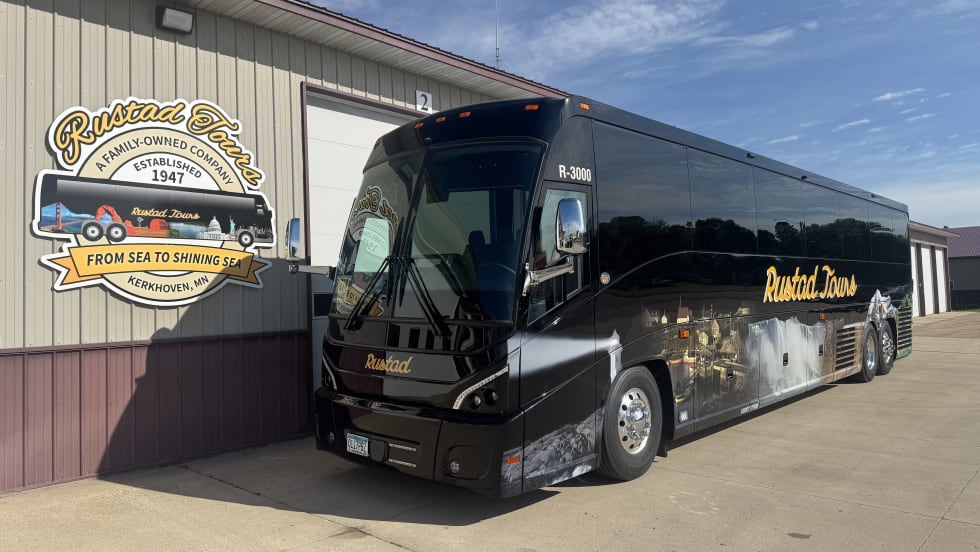
Minnesota's Rustad Tours Takes Delivery of New MCI Motorcoach
The latest addition represents Rustad Tours’ 17th new MCI coach, marking more than four decades of partnership between the two companies.
Read More →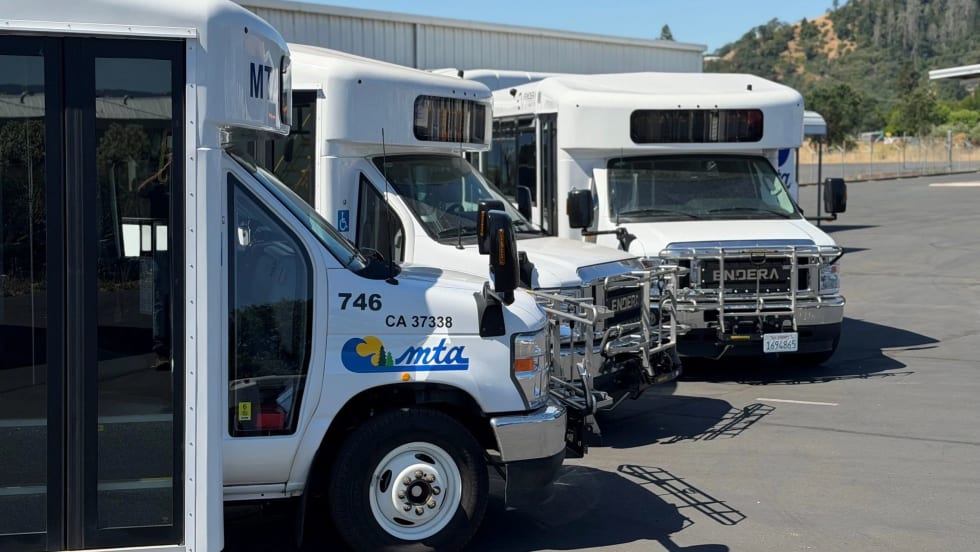
Biz Briefs: Endera Delivers to California, Safety Vision Teams with San Antonio's VIA, and More
From manufacturers and suppliers to transit agencies and motorcoach operators, these updates offer a snapshot of the projects, partnerships and business moves driving the industry forward.
Read More →
Modernizing Mobility with CharterUP CEO Armir Harris
From digital transformation to evolving customer demands, CharterUP's Armir Harris offers his perspective on the transportation industry's next chapter.
Read More →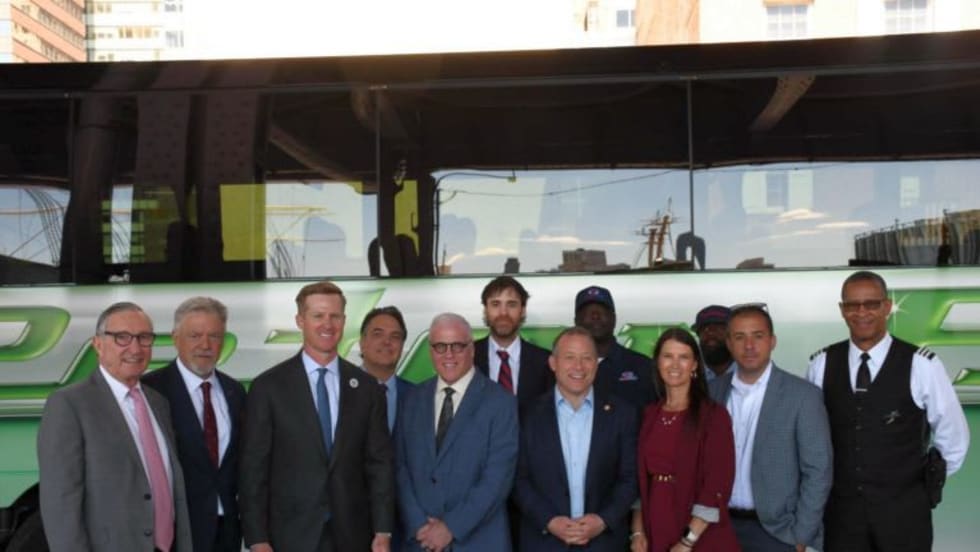
Bipartisan BUSES Act Seeks Changes to New York City's Bus Idling Enforcement Program
Backed by motorcoach operators, the legislation seeks to balance emissions goals with passenger safety by allowing limited idling for inspections, accessibility needs and extreme weather conditions.
Read More →
METROspectives: CharterUP CEO Armir Harris on Modernizing Mobility
From digital transformation to evolving customer demands, CharterUP's CEO Armir Harris offers his perspective on the transportation industry's next chapter.
Read More →
Reinventing Fleet Maintenance with Real-time Visibility and AI
Transit leaders need to know what needs fixing, where to look, who is responsible, when work is completed, and what it costs without having to chase information across disconnected systems.
Read More →
ABA's Ferguson Testifies in Support of BUSES Act, National Standards for Bus Operators
The BUSES Act would create a nationwide framework preventing state and local governments from enforcing bus idling restrictions of less than 15 minutes, a threshold consistent with existing Environmental Protection Agency guidance.
Read More →
2026 METRO Buyer’s Guide & Directory
Searching for the right vehicles, technology, equipment, or services for your public transit or motorcoach operation? This industry guide brings together manufacturers and suppliers from across the transportation market — all in one place. Download it to connect with the companies that help agencies and operators improve mobility, enhance operations, and move their organizations forward.
Read More →