



FMCSA introduces entry-level driver requirements
The proposed rule would affect bus and truck drivers with less than two years' experience operating commercial motor vehicles.

The Federal Motor Carrier Safety Administration (FMCSA) proposed training requirements for entry-level bus and truck drivers who hold a commercial driver's license, except transit vehicle drivers. The proposed rule would affect bus and truck drivers with less than two years' experience operating commercial motor vehicles. "These training requirements will reduce crashes caused by entry-level drivers of large trucks, school buses and motorcoaches," stated FMCSA Administrator Annette M. Sandberg. The FMCSA is proposing required training in the following four additional areas: driver qualifications, hours-of-service limitations, driver wellness and whistle-blower protection. The federally required commercial driver license training would serve as a minimum standard that entry-level drivers must meet before they may operate a bus or truck on public roads. The agency estimates that the estimated number of hours required for the new training will take 10.5 hours for large truck and motorcoach drivers. Under the proposal, employers would have 90 days to ensure that all currently employed entry-level drivers receive the required training.
More Management
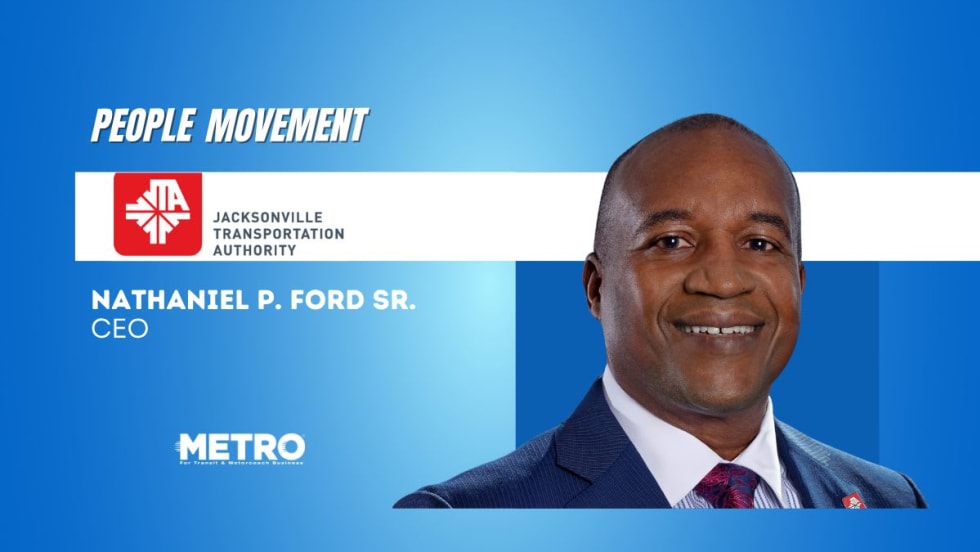
Ford to Leave JTA After More Than 10 Years as CEO
He plans to continue his work advancing innovative mobility solutions to improve the quality of life in communities across the nation. He did not announce specific plans.
Read More →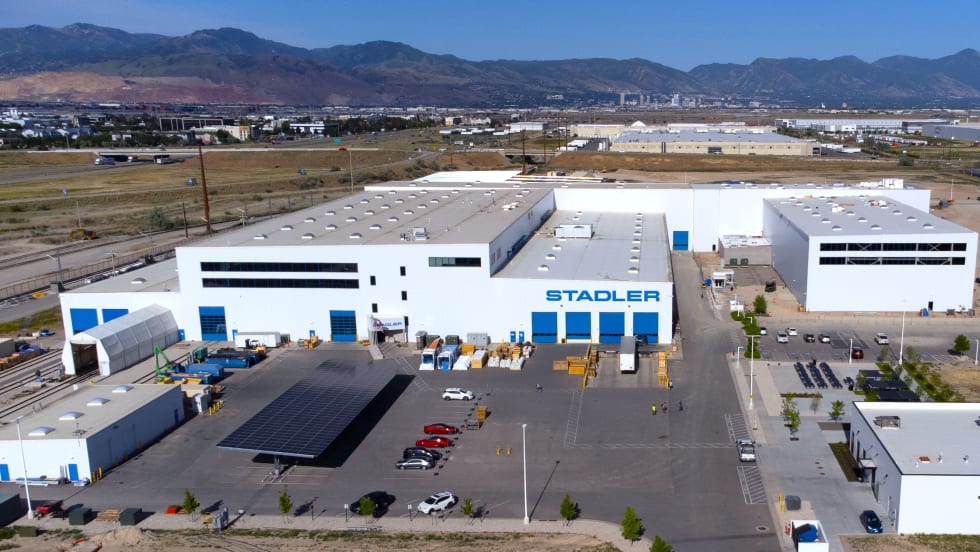
Stadler Marks 10 Years in the U.S. with Salt Lake City Expansion
The expansion is expected to create up to 300 new local jobs, some of which are youth apprenticeships, said Stadler officials.
Read More →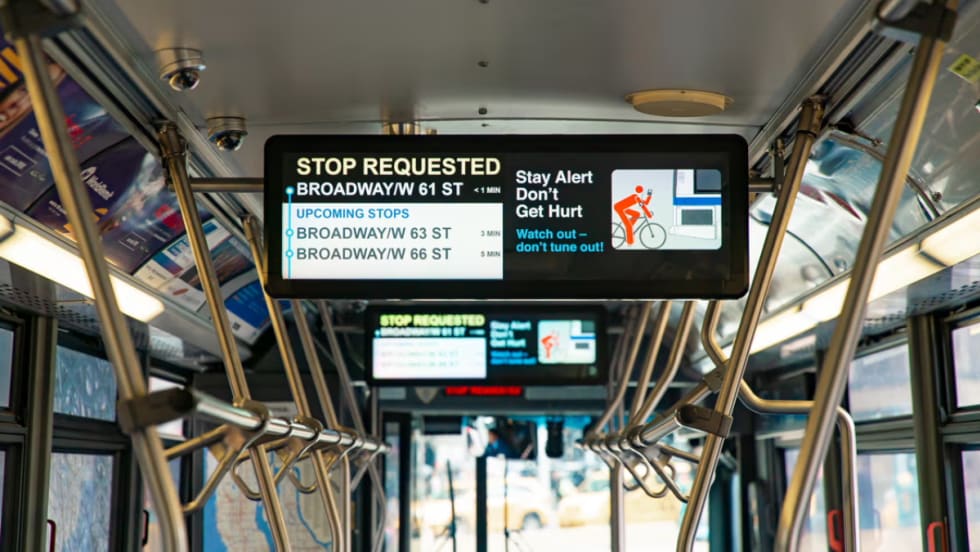
Hitachi Rail Completes Acquisition of Intelligent Transportation Systems Provider Clever Devices
The acquisition expands Hitachi Rail's North American presence and multimodal capabilities, combining rail and bus technologies to deliver more integrated digital solutions for transit agencies.
Read More →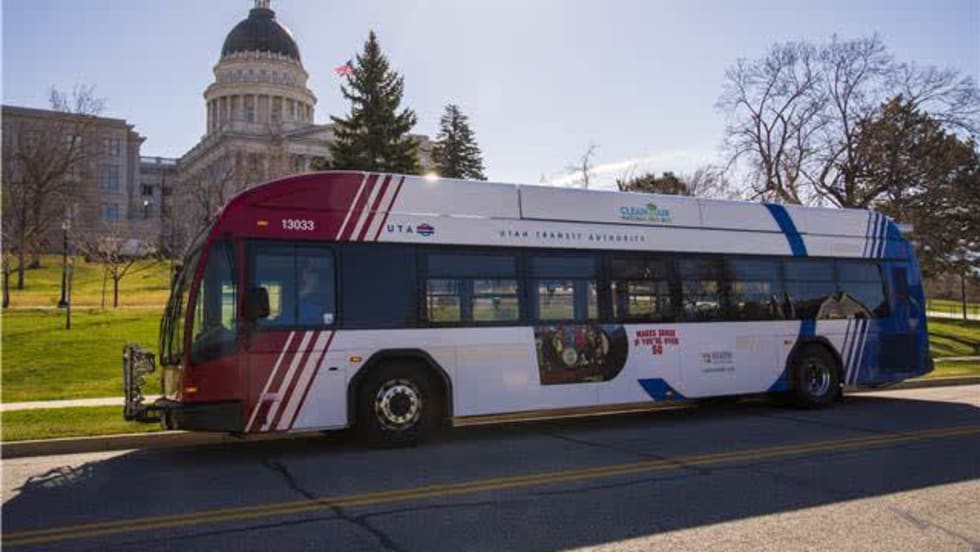
Utah Transit Authority Adopts New Governance Model
State leaders said the changes will improve oversight, coordinate transportation investments, and support expanding transit service across the Wasatch Front.
Read More →
Federal Highway Administration Seeks Public Input on Future of Interstate System
The initiative invites feedback on new routes, major upgrades, and emerging transportation needs, including issues that could affect public transit and motorcoach operations.
Read More →
New York MTA to Replace Three East End LIRR Bridges
Each structure, built between 1895 and 1921, serves vehicular traffic over the LIRR’s Montauk Branch.
Read More →
Transit Pilot Offers Lessons for Expanding Mobility Access
An Urban Institute evaluation found that a fare-free transit program increased ridership, reduced transportation barriers, and improved access to jobs, healthcare, and other essential services.
Read More →
Tolar Manufacturing Marks 35 Years in Transit Infrastructure Industry
Founded in 1991 by Gary Tolar, the Corona, Calif.-based company has expanded from its first major transit contract in San Diego to projects in cities throughout the US and Canada.
Read More →
SEPTA Board Approves FY2027 Budget Amid Funding Challenges
The spending plan represents an increase of just 1.9% over the current year and includes investments in new buses, additional full-length fare gates, and other customer enhancements.
Read More →
North Carolina CATS Approves Fare Modernization, Fare Ambassadors Programs
The initiatives will introduce new payment options, fare capping, and rider education as the Charlotte transit agency looks to simplify fares and improve the customer experience.
Read More →