



FRA chief touts U.S. vision at APTA rail conference
When speaking about President Obama’s investments in high-speed and intercity passenger rail, Administrator Joseph C. Szabo discussed how 32 states are now moving ahead with 153 rail-development projects, with 44 projects in 16 states, representing close to $3 billion in federal funding, currently under way or set to break ground and other projects coming in on time and on budget.

At the American Public Transportation Association’s (APTA) Annual Rail Conference's General Session in Dallas, Federal Railroad Administrator Joseph C. Szabo touted President Obama’s vision for rail in the U.S. as a way to help the nation prepare for its future growth.
“In 1955, President Eisenhower told America in a State of the Union address a modern, efficient highway system is essential to meet the needs of our growing population, our expanding economy and our national security,” said Szabo. “In some respects, that statement is just as true today. Except today, President Eisenhower’s vision would not just be limited to our highways. It would include highways, airports, public transit systems, waterways and of course our railroads. To provide for the future, all of these modes will need to work in concert at full strength.”
While discussing a growing rail system’s impact on the U.S. in terms of easing traffic congestion and limiting its reliance on foreign oil, Szabo added that with service levels targeted for the marketplace, passenger rail can be the most cost-effective, least oil-reliant and most environmentally friendly mode of transportation.
“Two railroad tracks can carry as many people in an hour as sixteen lanes of highway. That’s why there’s so much growing support for rail development,” he said.
When speaking about President Obama’s investments in high-speed and intercity passenger rail, Szabo discussed how 32 states are now moving ahead with 153 rail-development projects, with 44 projects in 16 states, representing close to $3 billion in federal funding, currently under way or set to break ground and other projects coming in on time and on budget.
“The President’s support for passenger rail remains as strong as ever,” said Szabo. “His Fiscal Year 2013 budget requests $2.5 billion combined with $6 billion in immediate transportation investments — a total of $8.5 billion for the continued development of high-speed and intercity passenger rail projects. America’s rail renaissance is well under way.”
Finally, Szabo discussed ridership gains of up to 72% from 1995 to 2008 on commuter, light and heavy rail, as well as record gains on Amtrak, which is on pace to set another record in 2012 for the ninth time out of the last 10 years. He also discussed on the impact the younger generation may have on rail’s growth, mentioning a report by the U.S. Public Interest Research Group and the Frontier Group, that said the average American drives 6% fewer miles today than in 2004, with 16- to 34-year-olds reducing their vehicle-miles traveled by 23% while increasing their average passenger miles traveled by trains and buses by 40%.
He also touted the industry’s focus on safety, including positive train control and the Railroad Safety Advisory Committee’s Passenger Safety Working Group, which is developing a System Safety Program to be applied to commuter rail, intercity passenger rail and high-speed rail operations.
“The System Safety Program is based on a voluntary commuter railroad program administered by APTA over the past 15 years,” Szabo said. “And, the System Safety Program recommended by the Passenger Safety Working Group satisfies the Rail Safety Improvement Act requirement for railroads to establish a risk reduction program. FRA is currently using the Committee’s recommendation to develop final language for a System Safety Program notice of proposed rulemaking that will be issued this fall.”
To view a full transcript, click here.
More Rail
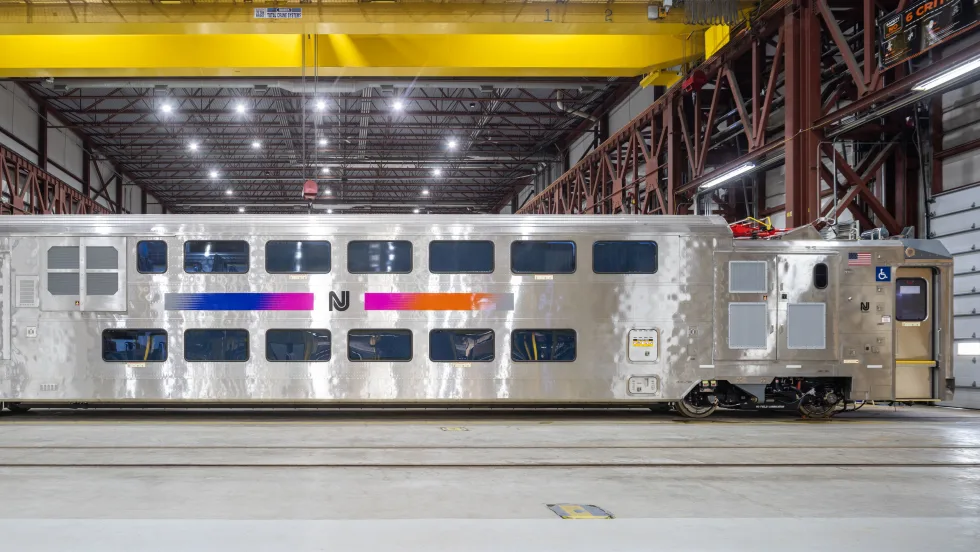
NJ TRANSIT Approves $65.6M for Hudson-Bergen Light Rail Improvements
The funding marks the first phase of a planned $250 million investment over five years to modernize stations, overhaul vehicles, and improve system reliability and passenger safety.
Read More →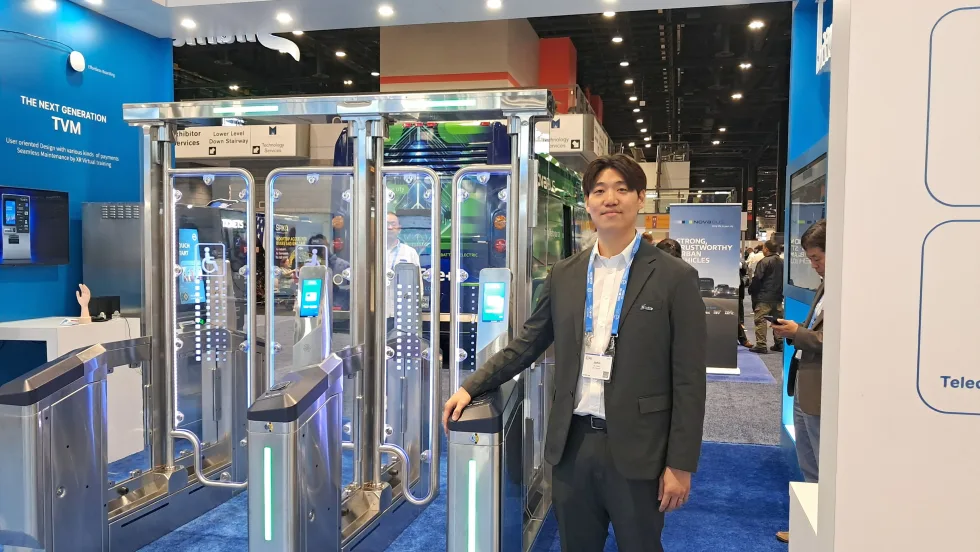
STraffic Expands North American Presence with Fare Collection Technology
John Moon, Associate Director, Product Strategy at STraffic, discusses the company's growth in North America, its efforts to reduce fare evasion, and more.
Read More →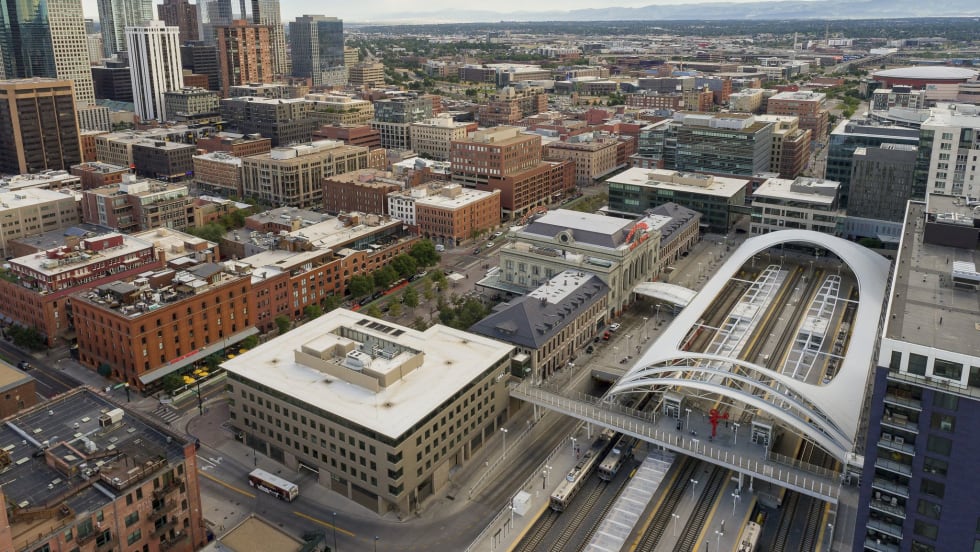
Study: Denver RTD Generates $2.1 Billion in Annual Economic Activity
An economic impact study finds the agency supports approximately 17,500 jobs, delivers $1.6 billion in annual community and mobility benefits, and generates $2.42 in economic value for every dollar invested.
Read More →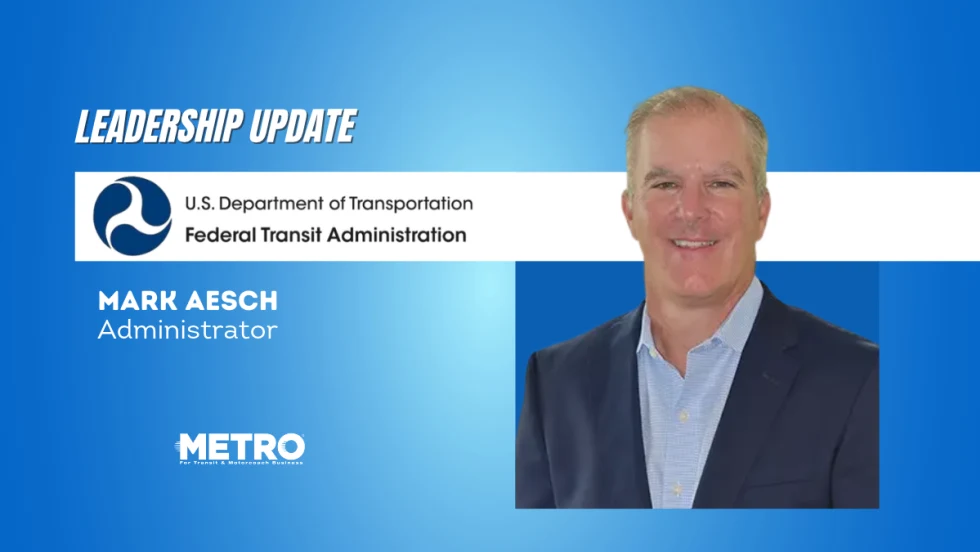
Mark Aesch Nominated to Lead Federal Transit Administration
The former Rochester transit chief and TransPro founder, who has also contributed to METRO Magazine, brings decades of industry experience and a focus on performance, accountability, and financial sustainability to the nomination.
Read More →
Transit Expands Agency Partnerships, Reaching 200 Official App Partners
COO Jake Sion discusses Transit’s growth, the success of its Transit Royale program, and how technology is helping agencies improve the rider experience.
Read More →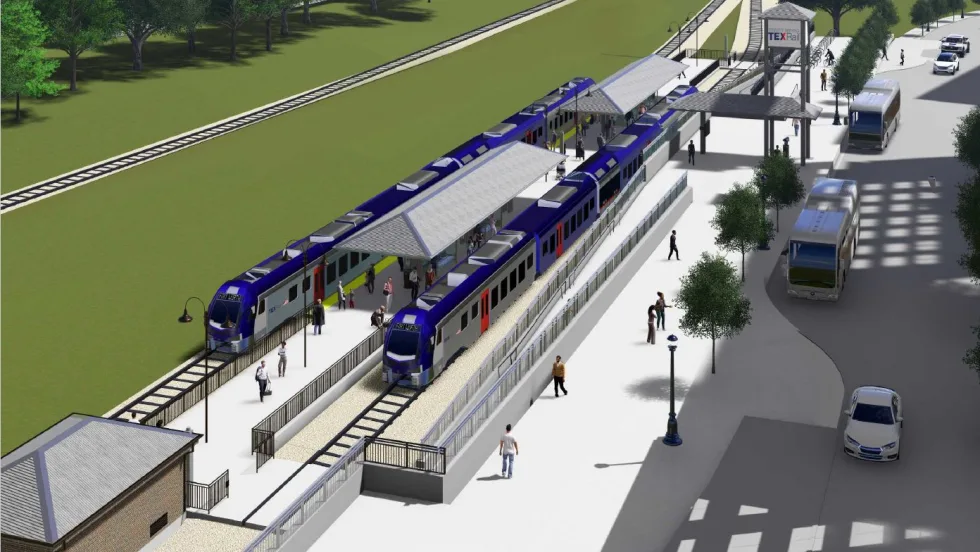
Trinity Metro Breaks Ground on $270M TEXRail Extension
The 2.1-mile extension will connect Fort Worth’s Medical District and Near Southside to downtown, surrounding communities, and Dallas-Fort Worth International Airport.
Read More →
Bringing Austin’s First Light Rail System to Life
Austin Transit Partnership CEO Greg Canally discusses the city's nearly 10-mile light rail project, its collaborative approach to project delivery, the importance of community engagement, and the milestones ahead as construction approaches in 2027.
Read More →
Metra Draft Plan Outlines Costs, Service Improvements for Regional Rail
The Systemwide Network Plan identifies infrastructure needs and potential investments to expand all-day, bidirectional rail service across the Chicago region.
Read More →
Amtrak Completes First Street Tunnel Upgrades, Restores Service
The nine-day construction project included replacing aging track infrastructure and modernizing switch systems near Washington Union Station.
Read More →
FRA Announces $2.3B for Passenger, Freight Rail Projects Nationwide
The CRISI Grant Program funding will support rail infrastructure improvements, safety upgrades, and projects aimed at improving freight and passenger rail service across 45 states and Washington, D.C.
Read More →