



FTA awards Seattle transit $4.7M for electric bus
King County Metro Transit’s prototype battery-dominant electric bus should be delivered in late 2012. The agency plans to buy one or two vehicles plus one or two charging stations to test their suitability for the transit system.

Last week, the Federal Transit Administration (FTA) announced that it will award King County Metro Transit (Metro) $4.7 million to purchase a prototype electric bus that runs on battery power.
Unlike Metro’s current fleet of electric trolley buses, these light-weight vehicles have the ability to operate without being connected to a fixed overhead wire. They can power up at a free-standing charging station and then travel up to 15 miles one way from the station. Metro will also explore if the prototype bus can connect to existing trolley wires for a "fast charge" when needed.
“This next generation electric coach combines the benefits of a clean, quiet trolley with the mobility of a standard bus,” said King County Executive Dow Constantine in thanking the FTA for the award. “If the prototype can work well here in King County, battery-powered buses could become an excellent candidate for replacement of aging Metro buses and trolleys. Not only would they cut diesel fuel costs, but they would also significantly reduce greenhouse gas emissions.”
Constantine said this grant marks another major investment in King County’s overall transportation system by the federal government. Earlier this month, the King County Department of Transportation received $34 million in federal money to top off funding needed to replace the South Park Bridge over the Duwamish River.
Metro’s prototype battery-dominant electric bus should be delivered in late 2012. The agency plans to buy one or two vehicles plus one or two charging stations to test their suitability for the transit system.
In addition to the battery bus demonstration, Metro is in the process of conducting a study to evaluate hybrid and trolley buses as replacements for the existing trolley fleet, which is reaching the end of its useful life. The study is examining several factors in choosing the vehicles to replace the trolleys, including cost; network and system considerations; environmental impacts; funding opportunities and legal issues. The study findings will help the county make an informed decision about the best technology to use on these routes as the current trolley buses wear out.
The trolley replacement study started last summer and does not include battery-dominant buses as an option because they are not yet available for a large-scale purchase nor tested on a system in the U.S. like Metro’s. At this time, the technology is not ready to replace heavy-duty transit vehicles, but is advancing rapidly.
The agency is also involved in projects to promote the private use of electric vehicles.
In addition to this grant, the FTA also awarded Metro and Sound Transit $6 million to purchase 40-foot and 60-foot hybrid diesel-electric buses to replace conventional diesel buses that have reached the end of their useful lives.
More Bus

Biz Briefs: OCTA Taps Clean Energy for Hydrogen Station, Stadler to Supply Via Rail Vehicles, and More
From manufacturers and suppliers to transit agencies and motorcoach operators, these updates offer a snapshot of the projects, partnerships and business moves driving the industry forward.
Read More →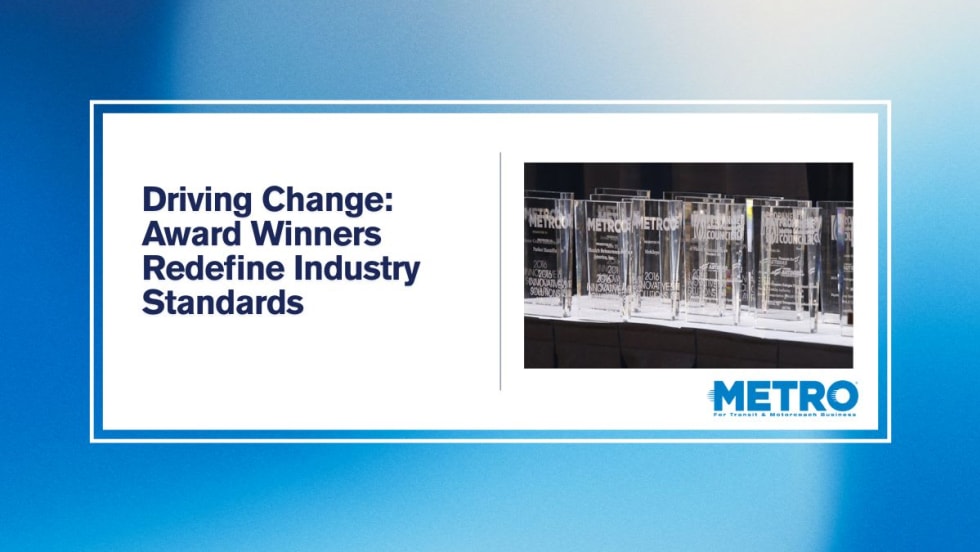
METRO Magazine Announces 2026 Innovative Solutions Awards Winners
Projects Recognized for Advancing Mobility Through Technology, Accessibility, Workforce Innovation, and Operational Excellence
Read More →
Biz Briefs: STV teams with Amtrak, Motorcoach Operators Boost Fleet and Land Contracts, and More
From manufacturers and suppliers to transit agencies and motorcoach operators, these updates offer a snapshot of the projects, partnerships and business moves driving the industry forward.
Read More →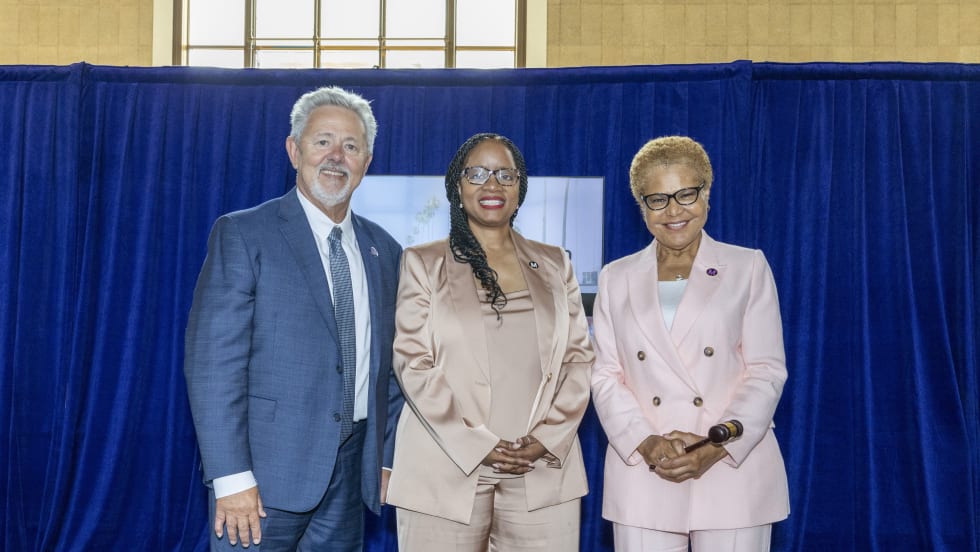
LA Metro Marks Banner Year, Sets Ambitious Goals for New Fiscal Year
Incoming LA Metro Board Chair and Los Angeles Mayor Karen Bass joined outgoing Board Chair Fernando Dutra and LA Metro CEO Stephanie Wiggins to review accomplishments from fiscal year 2026, which included the opening of new rail extensions, advancement of major transit projects, expanded safety programs, and new rider amenities.
Read More →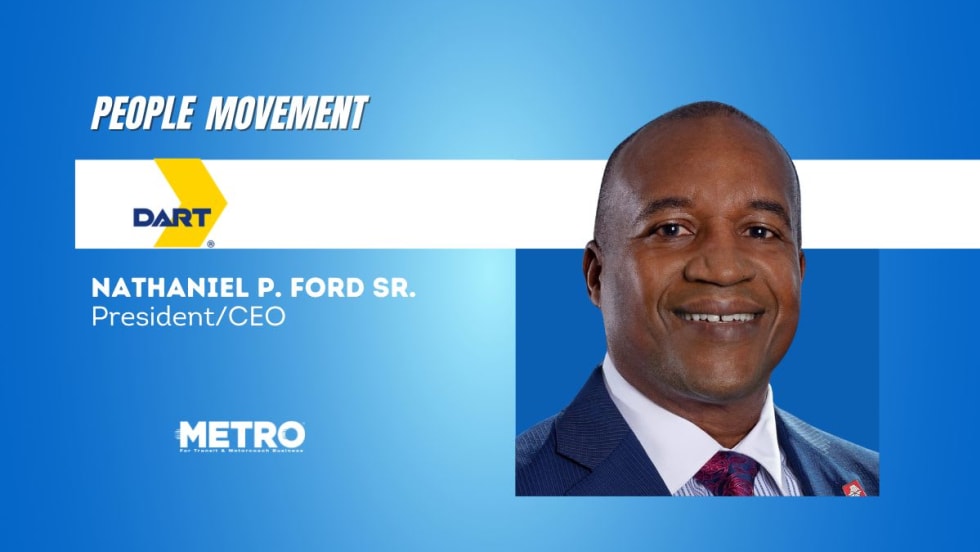
DART Taps Nathaniel P. Ford Sr. as Next President/CEO
Since 2012, Ford has served as the CEO of the Jacksonville Transportation Authority
Read More →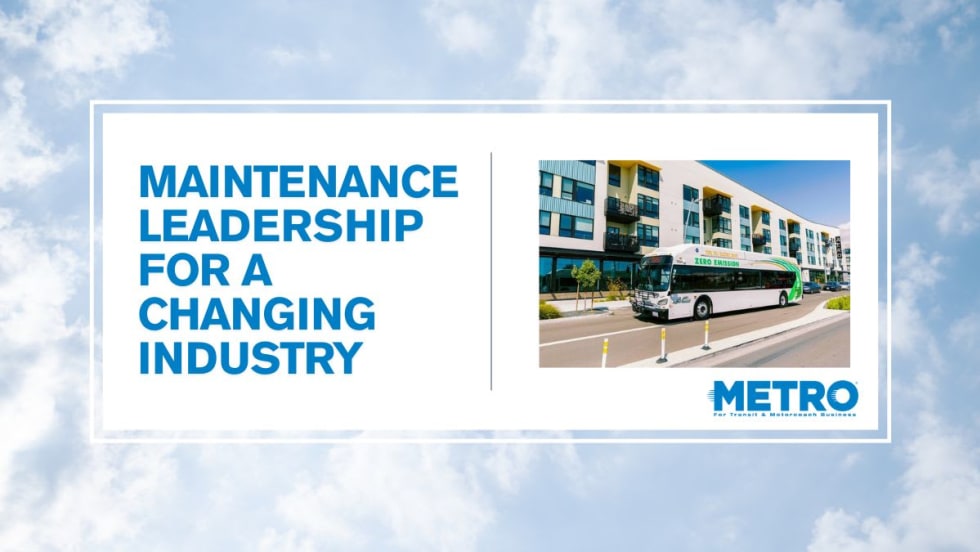
AC Transit’s Cecil Blandon on Building the Next Generation of Transit Maintenance Leaders
The agency’s maintenance chief discusses leadership, workforce development, zero-emission technology, and preparing technicians for the future of public transportation.
Read More →
Building the Next Generation of Transit Technology
In this edition of METROspectives, Luminator CEO Magnus Friberg discusses the company's transformation, the growing role of AI and software, and what's next for transit technology.
Read More →
June LA Metro Ridership Surges 2 Million Year Over Year
Total June ridership increased for both weekdays and weekends. Weekday ridership was 953,820, which grew 8.4% from June 2025; Saturdays increased nearly 13% year-over-year to 708,826; and Sundays increased 7.7% to 611,534 from June 2025, according to LA Metro.
Read More →
Washington's Pierce Transit Board Sends Transit Funding Measure to November Ballot
With the adoption of Resolution 2026-006, the measure moves to the Pierce County Auditor, giving voters in the Pierce Transit service area the decision on whether to fund an expansion of local transit service within the agency’s service area.
Read More →
New York Unveils Sweeping Plan to Modernize City Bus Service
Next Stop: Fast Buses, Better Service identifies 50 priority bus corridors for improvements across the five boroughs and launches the City’s next generation of rapid bus service along five key routes.
Read More →