



FTA Makes $225M for Transit Pilot Program
The Expedited Project Delivery Pilot Program aims to achieve faster delivery of new transit capital projects.

The Federal Transit Administration (FTA) is making $225 million in grant funding available through the Expedited Project Delivery Pilot Program, with $100 million of the grant funding currently available for allocation.
The program aims to achieve faster delivery of new transit capital projects. A Notice of Funding Opportunity (NOFO) appears in the Federal Register.
FTA’s Expedited Project Delivery Pilot Program streamlines project delivery of new transit infrastructure that meets program requirements.
“By encouraging innovative partnerships and funding from a variety of sources, projects can be completed more quickly, making better use of taxpayer dollars, and bringing new transit service to growing communities,” said FTA Acting Administrator K. Jane Williams.
The EPD Pilot Program is authorized by the FAST Act. By law, projects must utilize public-private partnerships, be operated and maintained by employees of an existing public transportation provider, and have a federal cost share not exceeding 25% of the project cost.
The FAST Act specifies that not more than eight projects can be awarded grants under the EPD Pilot Program. Applications will be accepted on a rolling basis until up to eight grants are awarded, subject to funding availability.
The NOFO describes how to apply for funding under the EPD Pilot Program and includes the criteria FTA will use to evaluate proposed projects for funding.
More Management
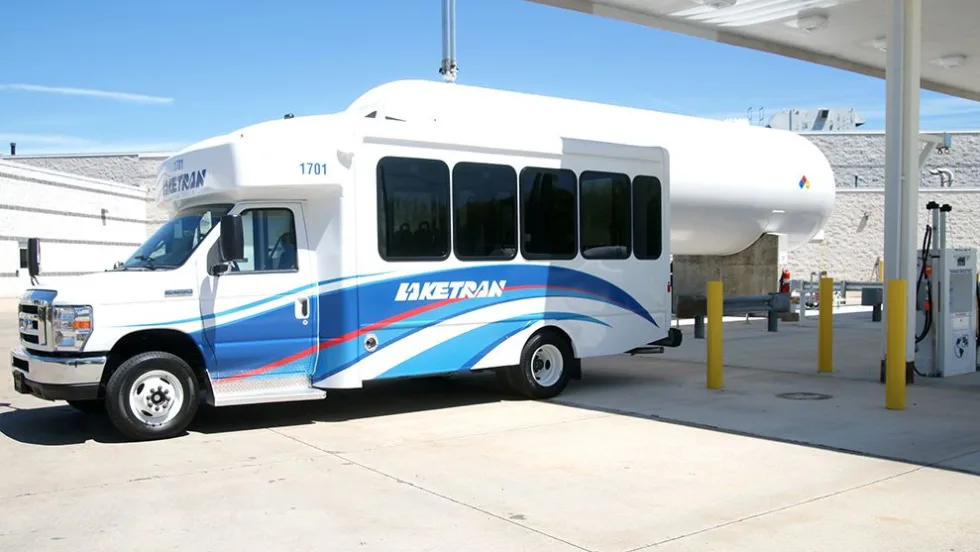
Laketran Cuts Fuel Costs, Boosts Efficiency with Propane-Powered Fleet
The Ohio transit agency is using propane-powered vehicles and on-site fueling infrastructure to cut fuel and maintenance costs while meeting growing demand for paratransit services.
Read More →
Canada’s Public Transit Supports $65.6 Billion in Annual GDP
New research from the Canadian Chamber of Commerce examines transit's economic contributions, including job creation and the financial implications of transportation investment.
Read More →
Pierce Transit Moves to Expand Fleet Following Proposition 1 Approval
The agency authorized the purchase or refurbishment of up to 60 buses to support a 47% service expansion, as voters nationwide approved billions in new transit funding.
Read More →
Right-Sizing Rural Transit: Lessons from North Grenville’s On-Demand Model
A small municipality shows how flexible service, rider needs, and public accountability can expand mobility with limited resources.
Read More →
Transit Ballot Victories Signal Strong Voter Support: What Comes Next?
Voters approved billions in public transportation investments in 2026, giving agencies opportunities to preserve service, expand operations, and strengthen regional connections amid a changing political landscape.
Read More →
Transit Expands Agency Partnerships, Reaching 200 Official App Partners
COO Jake Sion discusses Transit’s growth, the success of its Transit Royale program, and how technology is helping agencies improve the rider experience.
Read More →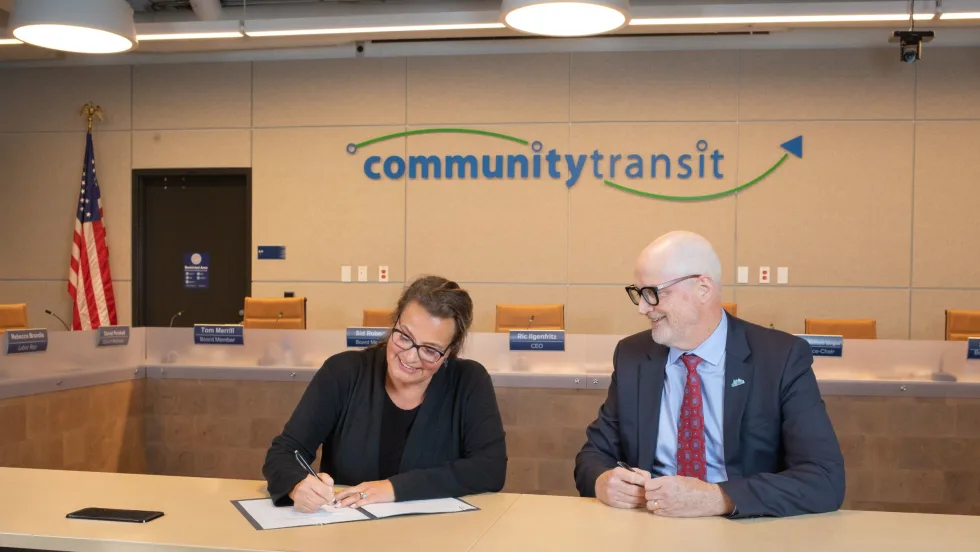
Everett Transit, Community Transit Approve Consolidation of Services
The agreement will bring Everett Transit into Community Transit’s network in April 2027, with plans to increase bus service by 50% by 2031 and expand regional connections.
Read More →
NITA Proposes $5B Operating Budget, $9.7B Capital Program for 2027
The proposed budget includes funding for expanded transit service, safety initiatives, fleet upgrades, and infrastructure improvements across CTA, Metra, and Pace.
Read More →
Financing, Fleet Replacement Requires a More Strategic Approach
Executives from ABC Companies and MCI discuss how rising costs, changing market conditions, and post-pandemic challenges are prompting motorcoach operators to rethink financing strategies, fleet replacement cycles, and long-term planning.
Read More →
Bringing Austin’s First Light Rail System to Life
Austin Transit Partnership CEO Greg Canally discusses the city's nearly 10-mile light rail project, its collaborative approach to project delivery, the importance of community engagement, and the milestones ahead as construction approaches in 2027.
Read More →