




Related: FTA advances WMATA Metrorail safety oversight measures
FTA updates Congress on D.C. Metrorail safety oversight
Reported that it has conducted more than 100 inspections and directed millions in Federal funds to support safety priorities in its first six months of temporary safety oversight.
April 14, 2016
Larry Levine
3 min to read
Larry Levine
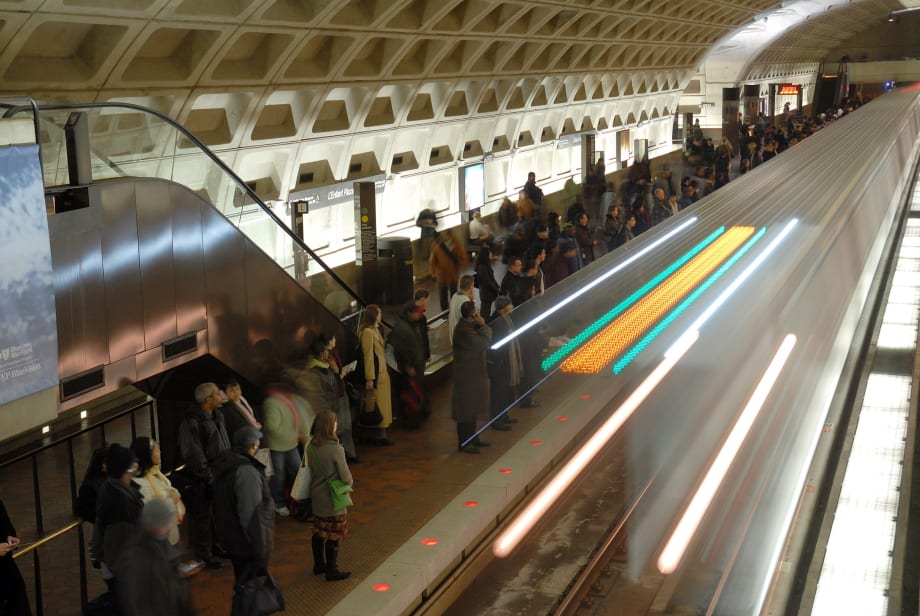
The Federal Transit Administration (FTA) reported to Congress that it has conducted more than 100 inspections and directed millions in Federal funds to support safety priorities in its first six months of temporary safety oversight of the Washington Metropolitan Area Transportation Authority (WMATA) Metrorail system.
“In a short time, FTA has provided more thorough safety oversight over WMATA than it has ever received,” FTA Senior Advisor Carolyn Flowers testified before the U.S. House Oversight and Government Reform panel. “We all want Metrorail safety to improve and we want change now.”
In October 2015, U.S. Transportation Secretary Anthony Foxx instructed FTA to assume direct and temporary safety oversight of WMATA Metrorail from the ineffective Tri-State Oversight Committee (TOC). This role continues only until Virginia, Maryland and the District of Columbia set up a new State Safety Oversight Agency (SSOA) — something the three jurisdictions have been discussing since April 2010.
“We are now in April of 2016, and very little action has taken place to move towards a fully functioning SSOA. It is long past time for Virginia, Maryland and D.C. to create a new safety oversight body for WMATA Metrorail,” Flowers said.
Flowers explained that WMATA is responsible for the safe operation of the Metrorail system, including the performance of daily inspections and preventative maintenance. The current and temporary role of FTA is to verify WMATA’s progress on implementing Corrective Action Plans and remedial actions, and to ensure that WMATA is effectively carrying out its own critical maintenance, operations and safety training programs, until the three jurisdictions set up a new SSOA.

Larry Levine
In the six month period from October 2015 to April 2016, the FTA WMATA Safety Oversight Office has conducted 107 inspections that cover track, the Rail Operations Control Center, vehicle and systems maintenance, automatic train control and traction power. During these inspections, FTA identified 229 defects requiring WMATA to implement 66 remedial actions.
FTA is currently in the midst of a three-part safety blitz focused on red signal overruns, track integrity and rail vehicle securement. A final report of this safety blitz is expected to be made public in early summer 2016.
FTA is also leading WMATA accident investigations as warranted and working to close out more than 100 open accident investigation reports it assumed from the TOC.
FTA is exercising its authority to direct WMATA’s use of Federal funds to prioritize safety projects and purposes, particularly in support of the corrective actions arising from the FTA Safety Management Inspection conducted in the spring of 2015, safety recommendations from the National Transportation Safety Board and state of good repair infrastructure improvements. For example, FTA is requiring that WMATA hold in reserve $20 million in FY 2016 Federal funds for urgent safety issues that may arise, rather than expending those funds on two non-safety related projects as WMATA originally requested.
Furthermore, Flowers said that until Virginia, Maryland and DC create a new State Safety Oversight Agency, FTA is the best and most appropriate agency to provide temporary Federal safety oversight of WMATA Metrorail.
A copy of the full written testimony can be found here.
More Security and Safety

Transit Agencies Highlight Safety Gains at National Summit
Leaders from 15 major transit systems shared crime-reduction results and safety initiatives while discussing the role of continued federal support.
Read More →
DART Launches Major Security, Fare Enforcement Initiative
The 90-day demonstration will deploy coordinated security teams at five light rail stations while testing controlled access and gathering data to guide future investments.
Read More →
RTD Launches NextRide App to Consolidate Trip Planning, Fares, Security Reporting
The app expands on RTD’s existing NextRide web application and allows customers to view real-time vehicle locations and service alerts, purchase and store digital fares, and access customer support.
Read More →

TAPTCO Updates OSHA Compliance Training for Transit Maintenance Operations
The revamped program addresses 26 OSHA standards for maintenance facilities, with TAPTCO pointing to training, documentation, and everyday shop hazards as continuing challenges for transit operations.
Read More →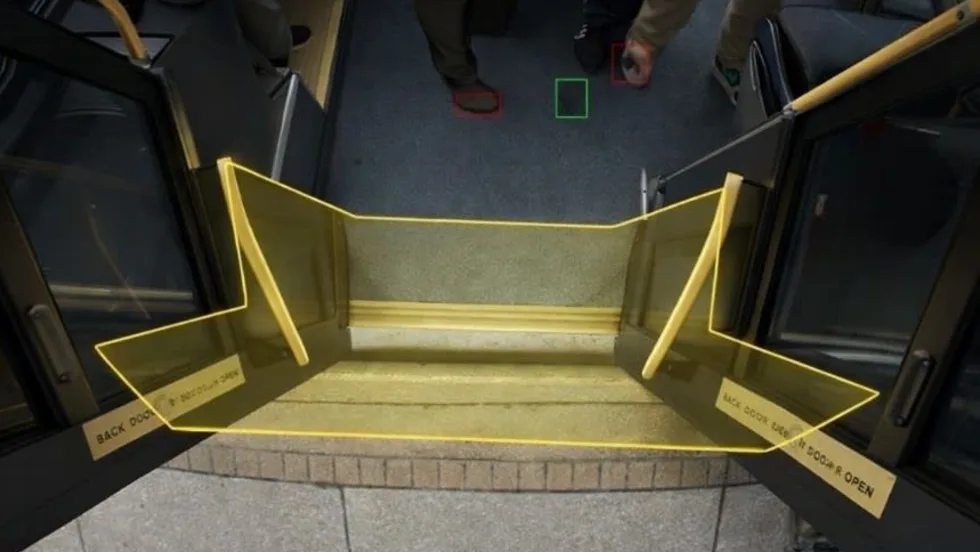
Sponsored•August 18, 2026
How VaporVision Adds Value to Transit Door Systems
Wabtec engineers explain how the system improves doorway detection, strengthens diagnostics and gives transit agencies and OEMs greater operating flexibility.
Read More →
FRA Announces $5.3B in Rail Investments, Including $2B for Amtrak
Funding will support grade-crossing improvements, infrastructure upgrades, and new Amtrak equipment in 23 states.
Read More →
Chicago, Maryland Expand Non-Law-Enforcement Safety, Rider Support
The CTA and MTA are launching new programs aimed at de-escalation, crisis response, rider assistance, and greater transparency.
Read More →
LA Metro, City of West Hollywood, and Partners Advance Smarter Bus Lane Enforcement
The award-winning partnership combines AI-powered detection with human oversight to improve bus reliability, accessibility, and enforcement efficiency.
Read More →
LA Metro Reports 57% Decline in Homelessness on Transit System Since 2024
The agency's latest homelessness count offers new data on how care-based services and cross-sector partnerships can complement traditional transit security strategies.
Read More →
FTA Launches 'Transit Moves America' Dashboard to Highlight Agency Safety and Performance
The online dashboard transforms National Transit Database information into a public-facing resource that allows users to compare transit agencies on key operational and safety metrics.
Read More →