



GCTD's Brown Announces Retirement
joined GCTD in 2006 as director, planning and marketing, and has served as GM since 2010, where he leads an agency of over 200 employees with a $31-million annual budget.
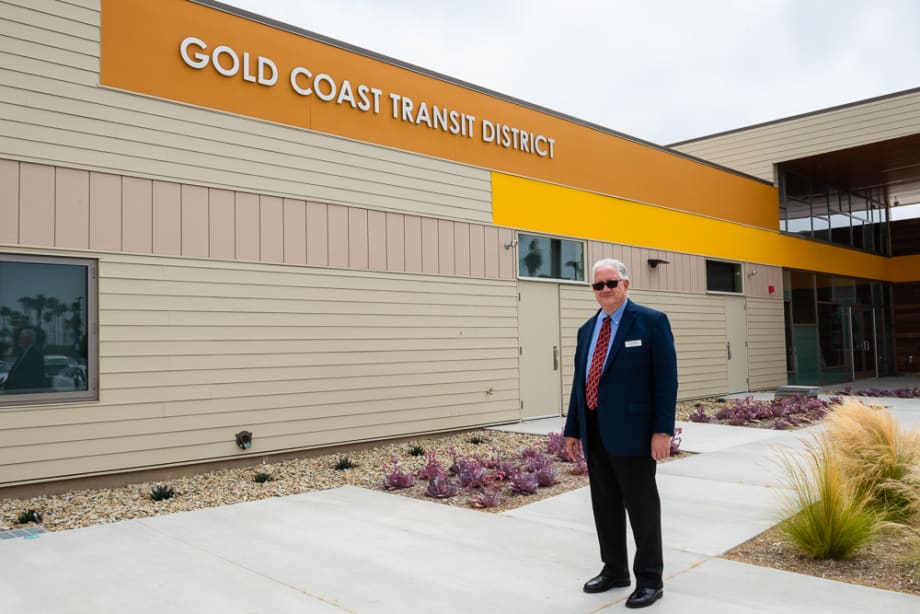
He joined GCTD in 2006 as director, planning and marketing, and has served as GM since 2010, where he leads an agency of over 200 employees with a $31-million annual budget.
GCTD
After a career spanning over 43 years in the transit industry, Gold Coast Transit District’s (GCTD) GM, Steven P. Brown, announced he will retire when his contract expires at the end of December 2021. Brown joined GCTD in 2006 as director, planning and marketing, and has served as GM since 2010, where he leads an agency of over 200 employees with a $31-million annual budget.
"As an organization, Gold Coast Transit District is heading in the right direction", Brown stated. "In the last 10 years, we have transitioned the agency into a Special District, completed the construction of the new state-of-the-art Operations and Maintenance Facility, launched innovative services and new routes, and have weathered the storm of the pandemic to provide safe and efficient transit services to the communities we serve.”
Brown departs GCTD after an extensive career in public transit, holding previous roles including deputy public transit director for the City of Phoenix, manager of bus system improvement planning for LA Metro, and running his own transportation consulting firm.
Under Brown’s leadership, GCTD earned the “Small Agency of the Year” award in 2014 by the California Transit Association, after transitioning the organization from a Joint Powers Authority into a Special Transit District. The effort enabled the district member jurisdictions to efficiently use their locally generated Transportation Development Act funds to provide a seamless transit system in Western Ventura County dedicated to high quality public transit. The GCTD has since launched several new bus routes, along with innovative on-demand services such as Late Night Safe Rides and completed one of the largest transit infrastructure projects in Ventura County’s history, the 15-acre Operations and Maintenance Facility, which opened in 2019.
Brown will continue to serve through the end December 2021 when his current contract expires. In the coming weeks, the board will work to initiate a recruitment process. Brown has committed to working with the board on a transition plan to ensure a smooth hand off to the next leader.
More Management

More Than a Summer Job: Building the Next Generation of Transit Talent
The Delaware River Port Authority and PATCO have transformed their internship program into a hands-on professional development experience that introduces students to the breadth of transportation careers — and creates a pipeline for future employees.
Read More →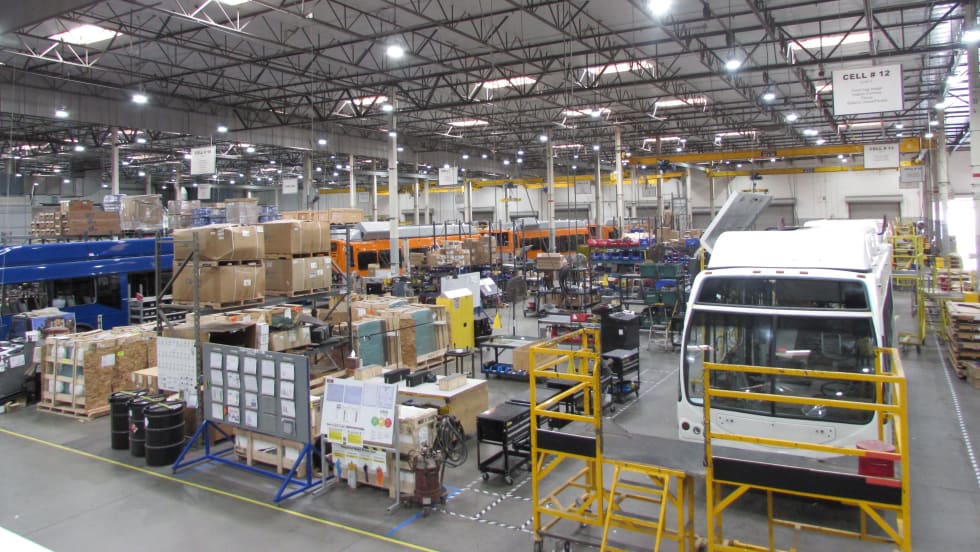
LA Metro Board Awards 220 Battery-Electric Bus Contract to ENC
The contract, which is the largest base award of battery-electric buses by a U.S. transit agency, will be built in Southern California, sustaining good jobs as LA prepares to welcome the world in 2028
Read More →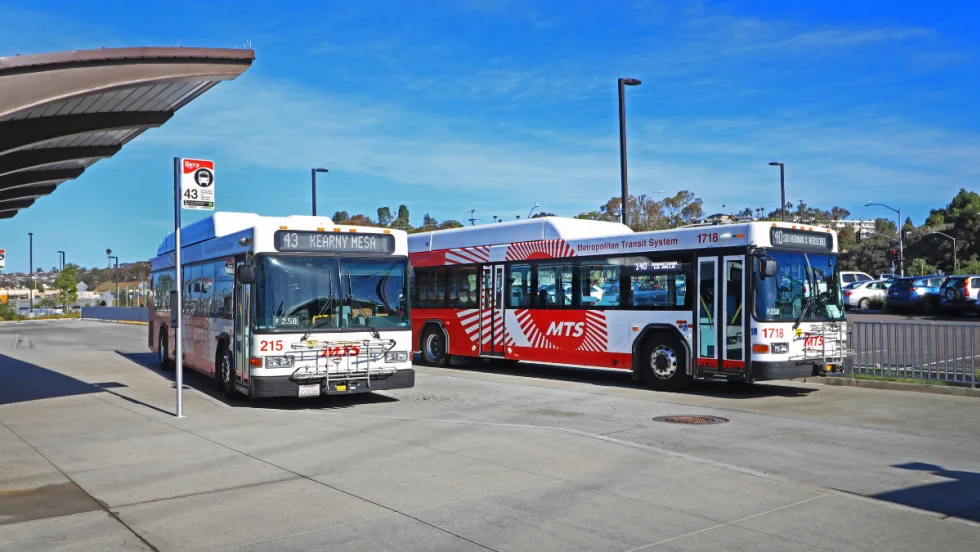
What’s Behind San Diego MTS’s Award-Winning Transit Strategy
Named one of APTA’s 2026 Outstanding Public Transportation Systems with 50 million or more annual passenger trips, California’s San Diego Metropolitan Transit System points to gains in ridership, safety, technology, and reliability as foundations of its success.
Read More →
Public Transit Conference Returning to GFX in 2027, Call for Papers Now Open
The Call for Papers is now open, allowing transit agency professionals and industry experts to help shape the PTC educational program by submitting session ideas for consideration.
Read More →
Indian River Transit’s Community-Focused Approach Earns National Recognition
Named APTA’s 2026 Outstanding Public Transportation System in its size category, Florida’s Indian River County transit system continues to grow ridership through fare-free service and a focus on evolving community needs.
Read More →
ENC Lands MATA Contract and More in Biz Briefs
In this edition of Biz Briefs, we spotlight the latest developments shaping the future of mobility.
Read More →
From Surviving to Thriving: Building Stronger Transportation Organizations
Bus Business Consultants founder Brian Dickson shares lessons on leadership, organizational health, and creating options for long-term success in a changing transportation industry.
Read More →
Everett Transit, Community Transit Outline Consolidation Agreement
The proposed agreement calls for a 50% increase in bus service in Everett, a new microtransit zone, continued paratransit service, and the transfer of Everett Transit operations to Community Transit.
Read More →
Strada360’s Steve Lassey on Turning Transit Data Into Better Decisions
From breaking down data silos to preparing for AI, Strada360 CEO Steve Lassey discusses how transit agencies can use technology to improve operations, customer information, and long-term decision-making.
Read More →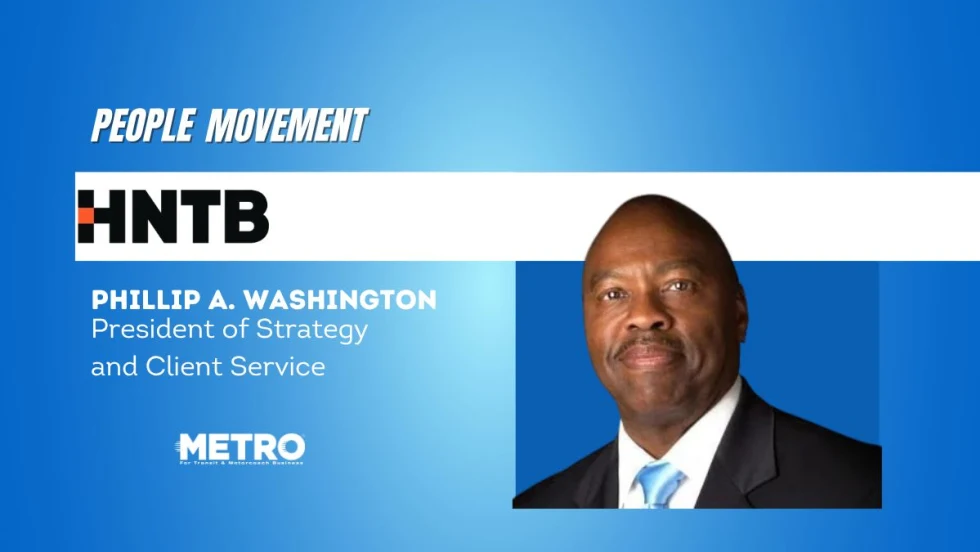
People Movement: Phil Washington Joins HNTB, Denver RTD Launches CEO Search, and More
In this edition, we also spotlight recent personnel moves at STV, the Eno Center for Transportation, and more, highlighting the people taking on new roles across the transportation industry.
Read More →