



WMATA Releases first-Ever 10-Year Strategic Plan for Joint Development
Giro Provides Hastus Upgrade to Metro for New Bus Installation
Giro’s software has been used by Metro since 2014 to optimize crew and vehicle scheduling for Metrorail passenger services.
by Staff
April 29, 2022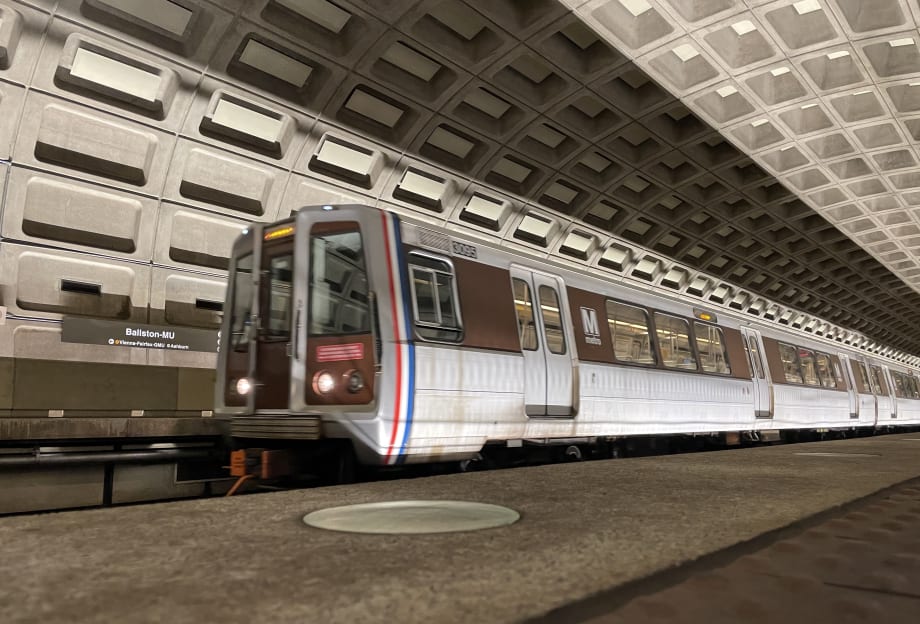
The Metro provides rail, bus, and paratransit service to a 1,500-square-mile area with a population of approximately 4,000,000 that includes Washington, DC.
Photo: WMATA
2 min to read
The Hastus software installation has been upgraded and expanded at the Washington Metropolitan Area Transit Authority (Metro), according to the agency's press release.
Giro’s software has been used by Metro since 2014 to optimize crew and vehicle scheduling for Metrorail passenger services. The 2022 version of Hastus provided an upgrade to Metro along with additional modules to manage Metrorail’s daily operations.
The previous solutions for bus scheduling and operations on the Metrobus network are also being replaced by Hastus.
“Metrorail has been a major client for our Hastus rail solutions since 2014,” said Robert Victor, Giro’s VP, Hastus, for North America and Australia. “We appreciate having had the opportunity to demonstrate through a proof of concept that Hastus can help Metro achieve important efficiencies for Metrobus as well. We’re also excited about the contribution that the Hastus tools for electric-bus scheduling and operations can make towards planning and executing the transition to a zero-emission fleet.”
Hastus is already being utilized by Metro for runtime analysis, optimizing vehicle scheduling, and run-cutting to create workdays for the train operators. The software has also been supporting operators bidding online for their workdays, and supervisors confirming, modifying and/or entering operators’ bids.
The upgrade to the new version of Hastus will allow Metro to benefit from the latest advancements in Giro’s optimization algorithms. Implementing the daily-operations modules for rail will add functionalities for managing performance and daily service, and the new Hastus installation for Metrobus will ensure that Metro’s rail and bus services will be optimizing their use of resources with the same transit scheduling and operations application.
The Metro provides rail, bus, and paratransit service to a 1,500-square-mile area with a population of approximately 4,000,000 that includes Washington, DC, and surrounding jurisdictions in Maryland and Virginia. Metrorail serves 91 stations and has 117 miles of track.
More Bus

New York MTA Plans Largest Bus Fleet Upgrade in More Than a Decade
The agency is seeking manufacturers for 650 new CNG buses to replace aging vehicles, improve reliability, and advance its broader fleet modernization strategy.
Read More →
Building a Flexible Path to Transit Electrification
John Hroncich discusses BAE Systems’ modular and scalable approach, lessons learned from decades of real-world operations, and how agencies can identify electrification strategies that fit their fleets.
Read More →
Bus Tech Talk: Keeping Transit Technicians Ahead of the Technology Curve
LA Metro’s Obed Mejia discusses technician training, evolving maintenance technology, fleet replacement, and strategies for getting the most out of today’s transit fleets.
Read More →
Biz Briefs: RIPTA Unveils New Frontrunners, Clevland RTA Adds New Siemens, and More
In METRO's latest installment, we take a look at recent news from Siemens, Prevost, Dodge, and more partnerships making headlines across the transportation sector.
Read More →
People Movement: Holly Arnold Joins Transdev and More
In this edition, we also cover recent appointments and announcements at Pace, CamTran, MCI, and more, showcasing the individuals helping to shape the future of transportation.
Read More →
The High Cost of Transit Buses: Industry Leaders Look to Procurement Reform
Transit leaders and policymakers examine how standardized bus designs, streamlined procurement, and predictable funding could help agencies stretch budgets and deliver better service.
Read More →
The Business Voice Behind Public Transportation
As chair of APTA’s Business Members Board of Governors, Ray Melleady explains how more than 850 business members are partnering with transit agencies to advance funding, innovation, and industry-wide collaboration.
Read More →
From Surviving to Thriving: Building Stronger Transportation Organizations
Bus Business Consultants founder Brian Dickson shares lessons on leadership, organizational health, and creating options for long-term success in a changing transportation industry.
Read More →
Finding the ‘Happy Medium’: Optimizing Maintenance Without Sacrificing Reliability
The key to maintenance optimization isn’t doing less work—it’s doing the right work at the right time on the right assets.
Read More →
LA Metro, City of West Hollywood, and Partners Advance Smarter Bus Lane Enforcement
The award-winning partnership combines AI-powered detection with human oversight to improve bus reliability, accessibility, and enforcement efficiency.
Read More →