



Helicopter surveys enhance security at NJ Transit
The transit agency will map critical areas of the rail infrastructure.

To better enhance security on its rail system, New Jersey Transit began aerial survey work along all of its railroad rights-of-way. For about three weeks, NJ Transit will use LiDAR (Light Detection And Ranging) technology to map critical areas of the rail infrastructure. The survey will also help speed emergency response capabilities and augment training for railroad front-line employees. The work is being done via a specially equipped helicopter with antennas extending from its sides. The helicopter will collect data, images and video footage along the rights-of-way. It will fly at a low-level (about 150 feet above the tracks). The LiDAR technology is a GPS-controlled laser scan that creates a three-dimensional image of NJ Transit's rights-of-way. A digitalized electronic map video and track charts will be integrated into a Geographic Information System. A computer-based incident area mapping system will provide train dispatchers, police and other emergency responders with maps of affected areas during emergencies. The system will also be capable of displaying the current position of affected trains on the maps. A training simulation system will be developed to train rail personnel using computer-based video of rail lines. The new system also streamlines management and maintenance of the rail infrastructure, specifically when track defects can be mapped and identified for repair work more effectively.
More Management
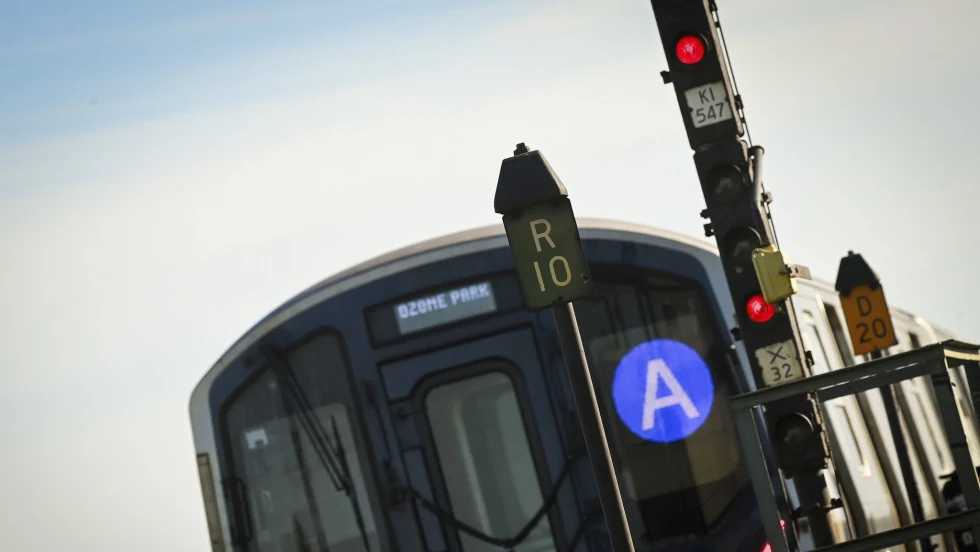
New York MTA Launches Historic $1.9B Signal, Track Modernization Project
Funded in part by congestion pricing revenue, the project will replace nearly century-old signals along the A and C lines in Brooklyn and Queens.
Read More →
Brian Dickson on Building Stronger, More Resilient Transportation Organizations
Bus Business Consultants Founder Brian Dickson discusses the leadership principles, operational discipline, and strategic planning that separate transportation companies positioned for long-term success from those stuck in survival mode.
Read More →
LA Metro Breaks Ground on Vermont BRT Project
The 12.4-mile corridor is projected to serve 66,200 daily riders, reduce travel times by up to 24%, and create the nation's busiest bus rapid transit corridor.
Read More →
Building Stronger Leaders, More Resilient Transit Teams
Dr. Carol Parker Walsh discusses leadership development, employee retention, workplace culture, and preparing transit’s workforce for AI and automation.
Read More →
Roman Cornell on ABC Companies’ Evolution and the Future of Passenger Transportation
The company’s CEO discusses carrying forward a third-generation family legacy, ABC’s continued evolution in passenger transportation, support for increasingly complex fleets, and how technology and continued investment could help operators improve uptime.
Read More →
CATS Launches West Charlotte Microtransit Zone, Expands Transit Services
The new microtransit zone connects residents to key destinations as Charlotte Area Transit System rolls out the first phase of its 2055 Transit System Plan.
Read More →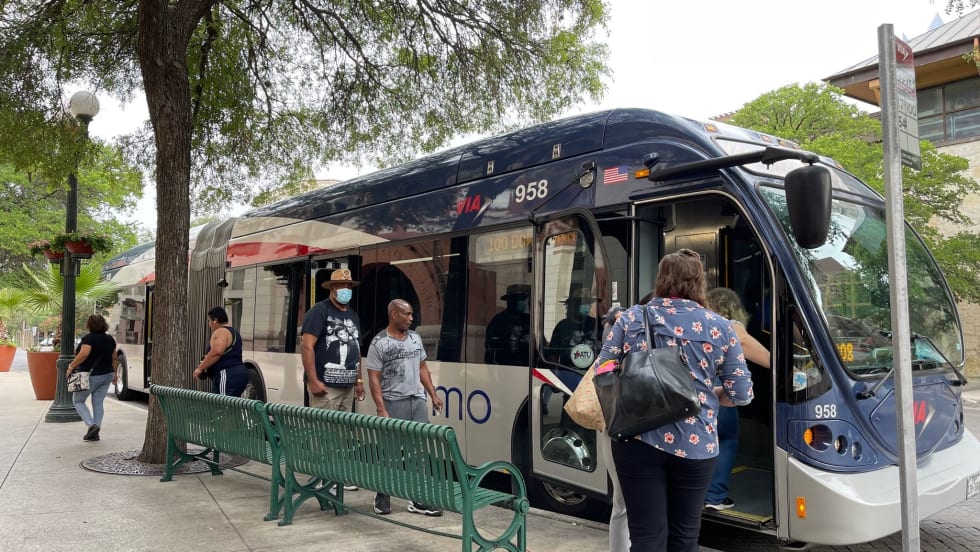
VIA Bus Ridership Grows 10.1% Through August 2026
San Antonio's VIA Metropolitan Transit reported the highest bus ridership growth among major Texas transit systems. Federal Transit Administration data ranked it second among the nation's 50 largest transit systems.
Read More →
CSA Group Releases Climate Resilience Standard for Transit, Passenger Rail
Developed with support from the Standards Council of Canada, CSA D700 guides assessing climate-related risks and planning adaptation measures for transit and passenger rail systems.
Read More →
ETA CEO John Maglio on Transit Technology, Innovation, and Building Agency Trust
ETA founder and CEO John Maglio explores the evolution of transit technology, the importance of reliable systems, and how stronger partnerships can help agencies improve operations and the passenger experience.
Read More →
COTA Launches First Customer Experience Action Plan to Improve Transit Service
The new plan outlines improvements to service reliability, accessibility, communication, and the overall rider experience across Central Ohio's transit system.
Read More →