



Houston Metro forced to cut costly airport service
Also referred to as route 500, the service launched in August 2008, offering patrons express service to George Bush Intercontinental Airport every 30 minutes for $15 one-way.

High costs and low ridership forced Houston Metro to end its three-year-old airport shuttle service.
The decision was made at a public hearing last month where the community was invited to share comments on the agency’s August service changes, which go in effect Aug. 21, 2011.
The Airport Direct service, also referred to as route 500, launched in August 2008, offering patrons express service to George Bush Intercontinental Airport every 30 minutes for $15 one-way.
In an effort to boost its numbers, Metro, with support from the George R. Brown Convention Center, downtown hotels and the downtown district, adjusted the route to include additional stops at hotels and reduced the fare to $4.50 from $15.
Ridership did spike following the fare decrease, but did not reach a level where service could be sustained.
"Our concern for Airport Direct stemmed strictly from the costs of the service versus revenues we could realistically achieve, not its desirability or our personal wish that it succeed," said Metro President/CEO George Greanias.
Airport Direct will run its last trip Saturday, Aug. 20.
More Bus

Report: Transit Bus Manufacturing Supports 34,100 Jobs, $5.1B in GDP
The “Buses Mean Business” report examines the transit bus manufacturing industry’s economic footprint, supply chain, and rising demand for vehicle replacements.
Read More →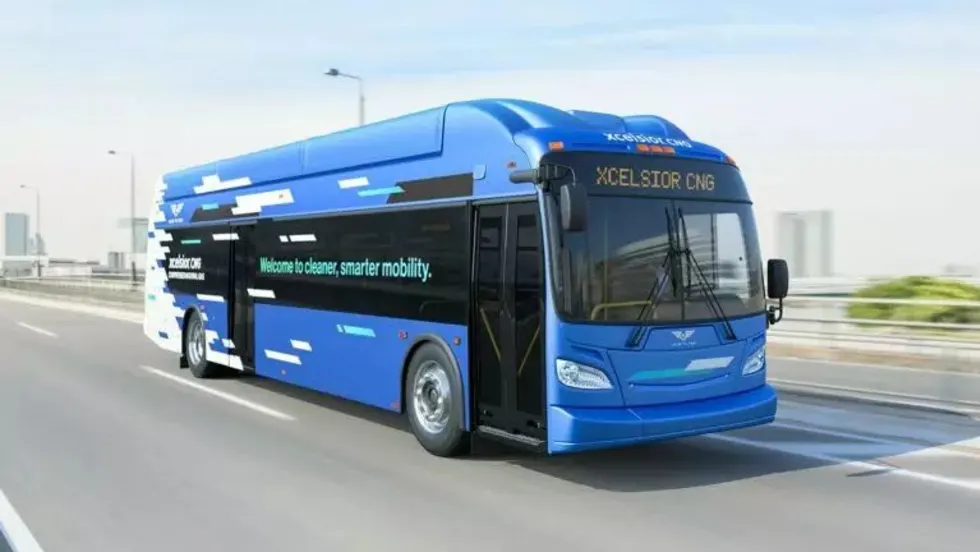
Biz Briefs: New Flyer Delivers in Columbus, Houston, Beep and Freebee Merge, and More
In this edition of Biz Briefs, we spotlight the latest developments shaping the future of mobility.
Read More →
People Movement: Dan Dipert Coaches Adds Third-Generation Leader, Keolis Names New Valley Metro VP/GM, and More
In this edition, we also cover recent appointments and announcements at the Wabtec, SilverRide, HNTB, and more, showcasing the individuals helping to shape the future of transportation.
Read More →
New York MTA Plans Largest Bus Fleet Upgrade in More Than a Decade
The agency is seeking manufacturers for 650 new CNG buses to replace aging vehicles, improve reliability, and advance its broader fleet modernization strategy.
Read More →
Building a Flexible Path to Transit Electrification
John Hroncich discusses BAE Systems’ modular and scalable approach, lessons learned from decades of real-world operations, and how agencies can identify electrification strategies that fit their fleets.
Read More →
Bus Tech Talk: Keeping Transit Technicians Ahead of the Technology Curve
LA Metro’s Obed Mejia discusses technician training, evolving maintenance technology, fleet replacement, and strategies for getting the most out of today’s transit fleets.
Read More →
Biz Briefs: RIPTA Unveils New Frontrunners, Clevland RTA Adds New Siemens, and More
In METRO's latest installment, we take a look at recent news from Siemens, Prevost, Dodge, and more partnerships making headlines across the transportation sector.
Read More →
People Movement: Holly Arnold Joins Transdev and More
In this edition, we also cover recent appointments and announcements at Pace, CamTran, MCI, and more, showcasing the individuals helping to shape the future of transportation.
Read More →
The High Cost of Transit Buses: Industry Leaders Look to Procurement Reform
Transit leaders and policymakers examine how standardized bus designs, streamlined procurement, and predictable funding could help agencies stretch budgets and deliver better service.
Read More →
The Business Voice Behind Public Transportation
As chair of APTA’s Business Members Board of Governors, Ray Melleady explains how more than 850 business members are partnering with transit agencies to advance funding, innovation, and industry-wide collaboration.
Read More →