



Indian BRT system honored for improving mobility, cutting emissions
Award given annually to a city that uses transport innovations to increase mobility for all residents, while reducing transportation greenhouse and air pollution emissions and increasing cyclist and pedestrian safety and access.


Photo credit: Institute for Transportation & Development Policy
[IMAGE]India-BRT1-full.jpg[/IMAGE]On Tuesday, the city of Ahmedabad, India, was recognized as the winner of the 2010 Sustainable Transport Award for the successful implementation of Janmarg; India’s first full bus rapid transit (BRT) system.
The award is given annually to a city that uses transport innovations to increase mobility for all residents, while reducing transportation greenhouse and air pollution emissions and increasing cyclist and pedestrian safety and access.
“This year’s Sustainable Transport Award nominees demonstrate the relevance of the developing world in the fight against climate change while improving citizen’s quality of life and enhancing their international competitiveness,” said Walter Hook, executive director of the Institute for Transportation and Development Policy. “Cities have the power to significantly reduce carbon emissions by actively seeking ways to improve transport.”
Ahmedabad’s Janmarg BRT system is a sustainable model for the future of transportation in India, where a quarter of the world's population lives. "BRT systems can positively impact air quality if car and motorbike drivers start taking trips by bus," said Sophie Punte, executive director of the Clean Air Initiative for Asian Cities (CAI-ASIA). "This is particularly important in Asian cities, where air pollution levels are often far above guidelines of the World Health Organization."
City residents have embraced their new BRT system; 18,000 daily passengers use Janmarg to commute to work, to school and elsewhere. In just a few months of operation, Janmarg has transformed the delivery of transit in South Asia. Janmarg uses innovative central median stations pulled away from the junctions. Bus stations feature passive solar design, an inexpensive way to keep stations naturally cool.
[IMAGE]India-BRT2-full.jpg[/IMAGE]
The city is making continued efforts to be a leader in sustainable transport, including incorporating high‐quality pedestrian facilities in some corridors, as well as bicycle lanes. Ahmedabad has initiated car‐free days and recently announced more.
For the first time in the six-year history of the Sustainable Transport Award, all of the nominees are cities in developing nations. The four honorable mentions go to Cali, Colombia, for transforming citywide BRT service with MIO; Curitiba, Brazil, for opening a new BRT line and city park on a former federal highway; Guadalajara, Mexico, for completing a full BRT system in less than two years and at an affordable cost; and Johannesburg, South Africa, for creating Rea Vaya, Africa’s first BRT and the first public transit system that connects Soweto to the downtown district.
The cities that received honorable mentions were all recognized for creating new BRT systems that reduce carbon emissions and create an optimal environment for pedestrians and cyclists.
The city of Cali, Colombia, is revolutionizing public transit with a complete overhaul of its transport systems. Cali opened its BRT system, called MIO, introducing a new type of service that allows the buses to work both within and outside its dedicated corridors.
Curitiba, Brazil, continues its sustainable transport heritage to link land use policy to transport interventions, including not only buses but also cycle ways, public space and pedestrian access.
“Curitiba has laid the foundation for innovative transit,” said Kathryn Phillips, a transportation policy expert with Environmental Defense Fund based in Sacramento. “Everyone recognizes it deserves to be an honorable mention recipient for the 2010 Sustainable Transport Award.”
Guadalajara, Mexico, opened a full BRT system in just two years. This rapid implementation shows the city’s courage and its political dedication to delivering public transport access to its residents.
“The Guadalajara Macrobus BRT System is an extraordinary example of farsighted leadership, good planning, and effective implementation,” said Daio Hidalgo, senior transport engineer, EMBARQ, The World Resources Institute Center for Sustainable Transport. “Macrobus is now fully operational just two years after the idea was embraced by the local authorities, with high quality and extraordinary performance.
The city of Johannesburg, South Africa, opened the first full BRT system in Africa, and completed the first mass transit investments in the city since the fall of apartheid. Rea Vaya is the first public transit system to link the previously disadvantaged Soweto area to the central business district.
“In under three years, Johannesburg opened a state-of-the-art BRT system that uses the cleanest buses on the continent,” said Manfred Breithaupt of Deutsche Gesellschaft für Technische Zusammenarbeit (GTZ) GmbH. “Johannesburg’s accomplishment against enormous challenges and the upgrading of the corridor in Soweto with lighting and sidewalks makes it an exceptional honorable mention.”
The Sustainable Transport Award selection committee includes experts from organizations working internationally on sustainable transportation. The committee members include:
Walter Hook, Executive Director, Institute for Transportation and Development Policy
Kathryn Phillips, transportation policy expert, Environmental Defense Fund
Ralph Gakenheimer, Chair, Transportation Research Board Committee on Transportation in Developing Countries
Sophie Punte, Executive Director, Clean Air Initiative for Asia Center
Sergio Sanchez, Clean Air Institute, Clean Air Initiative for Latin American Cities.
Dario Hidalgo, Senior Transport Engineer, EMBARQ, The World Resources Institute Center for Sustainable Transport
Manfred Breithaupt, Senior Transport Advisor, GTZ (Deutsche Gesellschaft für Technische Zusammenarbeit)
Heather Allen, Senior Manager, Sustainable Development, International Association of Public Transport (UITP)
Choudhury Rudra Charan Mohanty, Environmental Expert, United Nations Centre for Regional Development (UNCRD)
The Sustainable Transport Award is given each year during the annual Transportation Research Board meeting in Washington, D.C.
Past winners include:
2009 – Mayor Michael Bloomberg, New York, for making bold moves to achieve the ambitious goals of PlaNYC 2030.
2008 – Mayor Bertrand Delanoë, Paris, for implementing a range of innovative mobility solutions with vision, commitment and vigor.
Mayor Ken Livingston, London, for expanding London’s congestion charge program and developing other low emissions programs that dramatically impacted air quality.
2007 – Mayor Jaime Nebot, Guayquil, Ecuador, for revitalizing the downtown, creating dynamic public spaces, and instituting a new public transit system.
2006 – Mayor Myung-Bak Lee, Seoul, Korea, for the revitalization of the Cheongyecheon River and the implementation of its bus rapid transit system.
2005 – Former Mayor Enrique Penalosa, Bogotà, Colombia, for the TransMilenio bus rapid transit system, bicycle integration, and public space reclamation.
For more information, photos, and videos about the award and a list of past winners, visit www.st-award.org.
More Bus
Brian Dickson on Building Stronger, More Resilient Transportation Organizations
Bus Business Consultants Founder Brian Dickson discusses the leadership principles, operational discipline, and strategic planning that separate transportation companies positioned for long-term success from those stuck in survival mode.
Read More →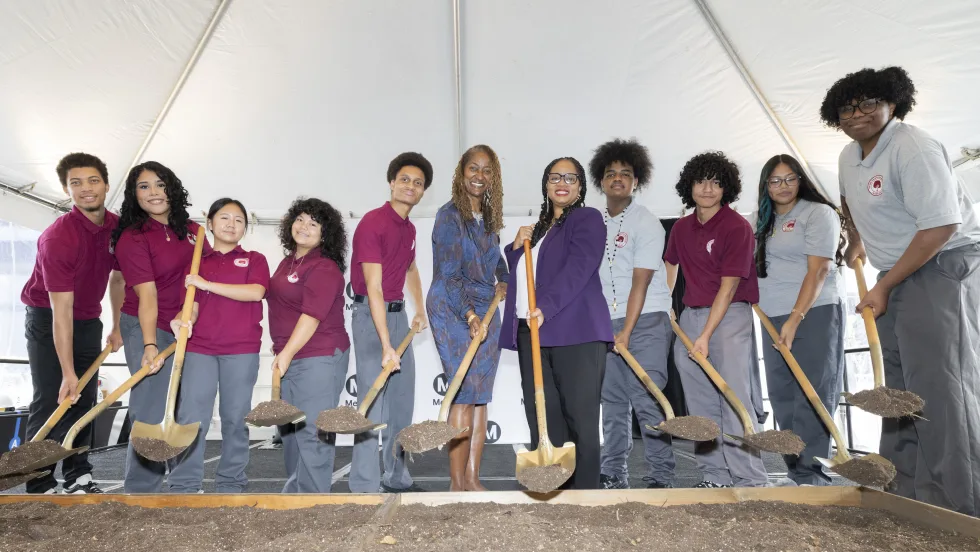
LA Metro Breaks Ground on Vermont BRT Project
The 12.4-mile corridor is projected to serve 66,200 daily riders, reduce travel times by up to 24%, and create the nation's busiest bus rapid transit corridor.
Read More →
Roman Cornell on ABC Companies’ Evolution and the Future of Passenger Transportation
The company’s CEO discusses carrying forward a third-generation family legacy, ABC’s continued evolution in passenger transportation, support for increasingly complex fleets, and how technology and continued investment could help operators improve uptime.
Read More →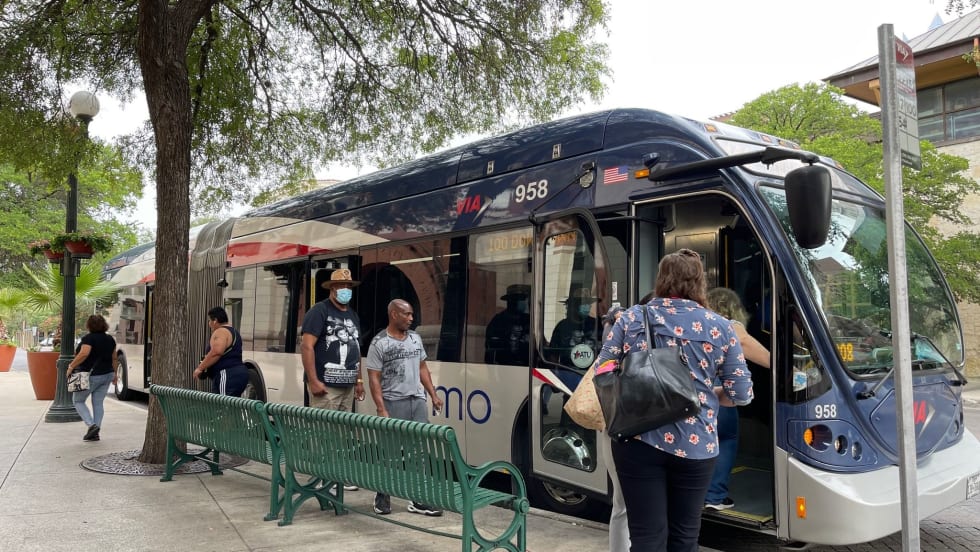
VIA Bus Ridership Grows 10.1% Through August 2026
San Antonio's VIA Metropolitan Transit reported the highest bus ridership growth among major Texas transit systems. Federal Transit Administration data ranked it second among the nation's 50 largest transit systems.
Read More →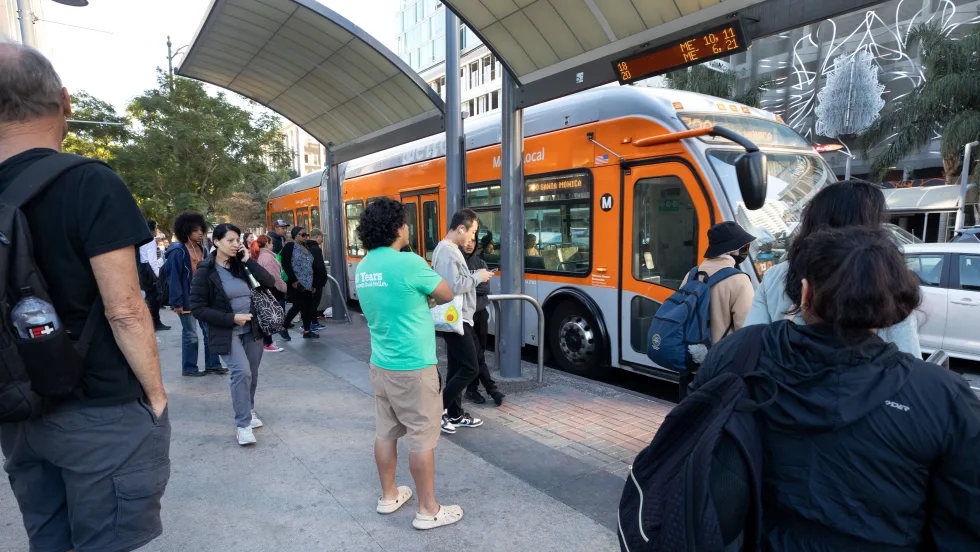
LA Metro September Ridership Climbs 3.9%, Led by Rail Growth
The agency recorded more than 27.2 million boardings, with rail ridership increasing 12.4% year over year and the D Line posting the largest gains.
Read More →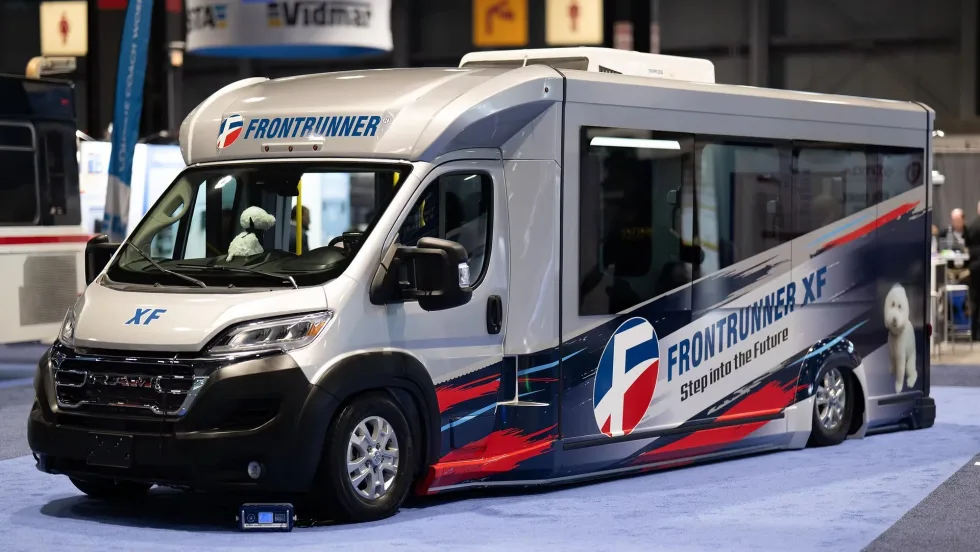
Frontrunner Bus Group Introduces XF Low-Floor Bus with Enhanced Accessibility
The new mid-sized bus features a full flat-floor design, eight-inch curbside step-in height, and zero-entry rear ramp to improve passenger access and operational flexibility.
Read More →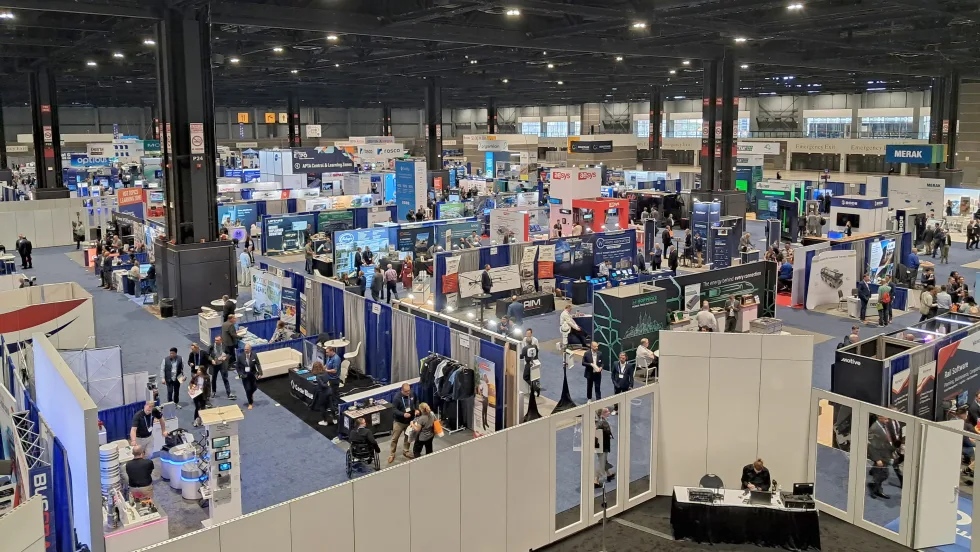
Scenes from APTA TRANSform & EXPO 2026
Transit leaders, manufacturers, and industry professionals gathered in Chicago to explore new technologies, share ideas, and discuss the future of public transportation.
Read More →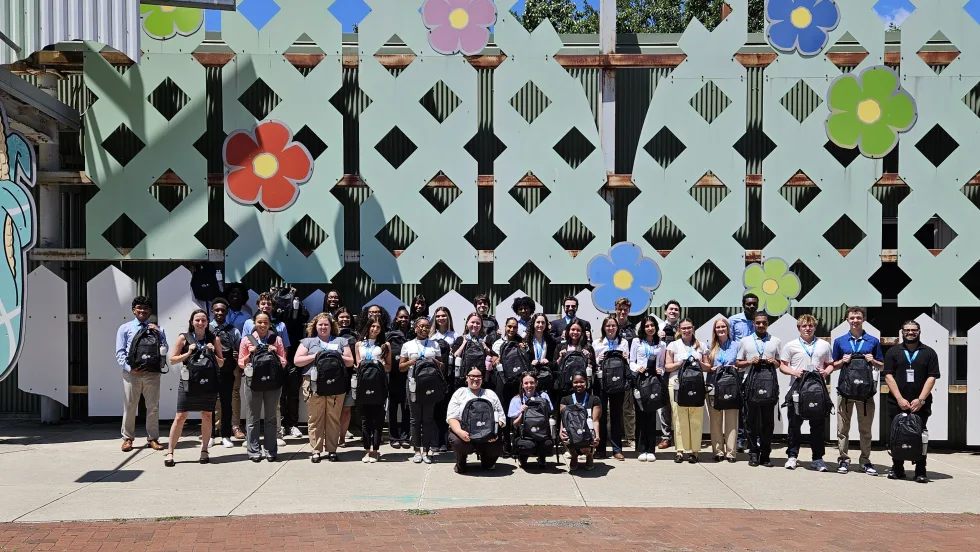
More Than a Summer Job: Building the Next Generation of Transit Talent
The Delaware River Port Authority and PATCO have transformed their internship program into a hands-on professional development experience that introduces students to the breadth of transportation careers — and creates a pipeline for future employees.
Read More →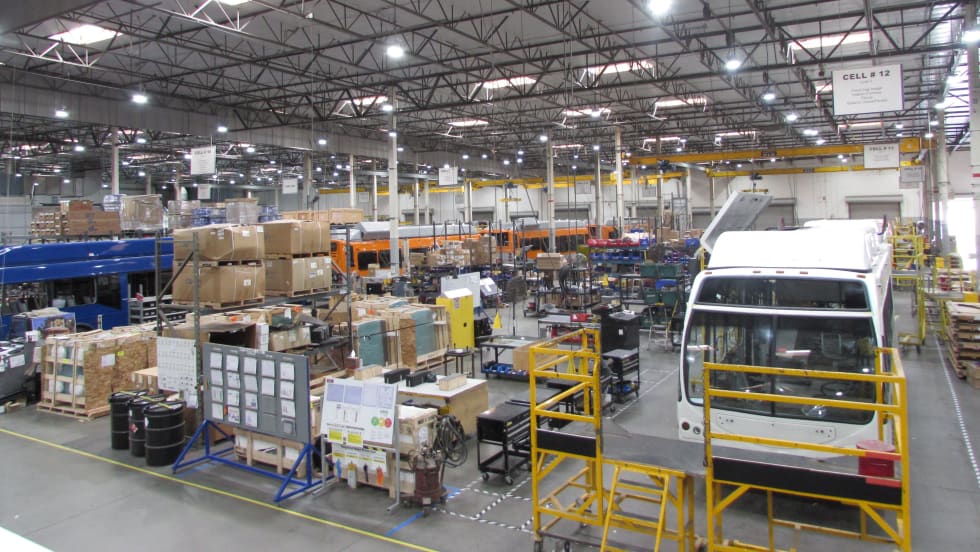
LA Metro Board Awards 220 Battery-Electric Bus Contract to ENC
The contract, which is the largest base award of battery-electric buses by a U.S. transit agency, will be built in Southern California, sustaining good jobs as LA prepares to welcome the world in 2028
Read More →
Public Transit Conference Returning to GFX in 2027, Call for Papers Now Open
The Call for Papers is now open, allowing transit agency professionals and industry experts to help shape the PTC educational program by submitting session ideas for consideration.
Read More →