



ISE, Siemens Venture complete $17.5M equity financing
Funds will be used to continue ISE's rapidly growing sales to the transit bus marketplace in the U.S. and Europe and the expansion of the company's prominent energy storage systems.

ISE Corp., Siemens Venture Capital, Macquarie Clean Technology Fund and DTE Energy Ventures Inc. announced the completion of a $17.5 million equity investment in ISE, a supplier of advanced hybrid-electric drive systems and components for heavy-duty vehicles.
The funds will be used to continue ISE's rapidly growing sales to the transit bus marketplace in the
and
and the expansion of the company's prominent energy storage systems. The Series D preferred stock financing also includes additional investments from RockPort Capital Partners and NGP Energy Technology Partners, investors in ISE's previous Series C and Series B preferred stock financings.
ISE specializes in the production of "series" hybrid systems, where the combustion engine is completely decoupled from the driveline and used only to generate electrical power, thereby allowing the engine to operate in a smoother and more efficient mode. The company combines its proprietary control systems, advanced energy storage systems and electrically-driven accessories with electric motors, motor controllers, generators and other high quality components that it develops internally or purchases from industry leading suppliers, such as Siemens.
More Technology
Transit Expands Agency Partnerships, Reaching 200 Official App Partners
COO Jake Sion discusses Transit’s growth, the success of its Transit Royale program, and how technology is helping agencies improve the rider experience.
Read More →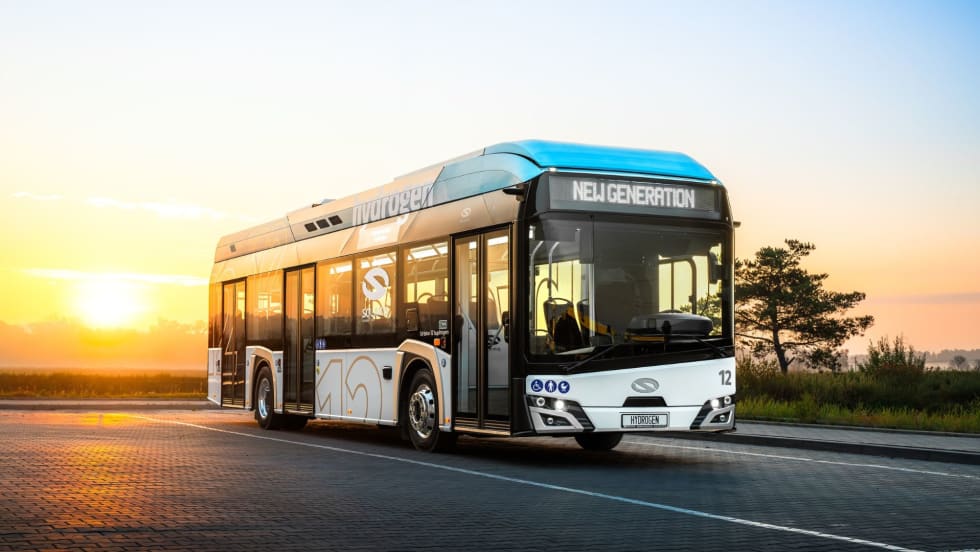
Biz Briefs: Ballard, Solaris Partner, New Flyer Receives Florida Order, and More
In METRO's latest installment, we also take a look at recent news from New Flyer, STV, Spare, and more partnerships making headlines across the transportation sector.
Read More →
Hampton Jitney Microgrid Offers a Roadmap for Fleet Electrification
Sprocket Power’s on-site energy system is designed to manage charging costs, reduce pressure on the electric grid, and prepare the Long Island transportation provider for expanded electric fleet operations.
Read More →
ETA CEO John Maglio on Transit Technology, Innovation, and Building Agency Trust
ETA founder and CEO John Maglio explores the evolution of transit technology, the importance of reliable systems, and how stronger partnerships can help agencies improve operations and the passenger experience.
Read More →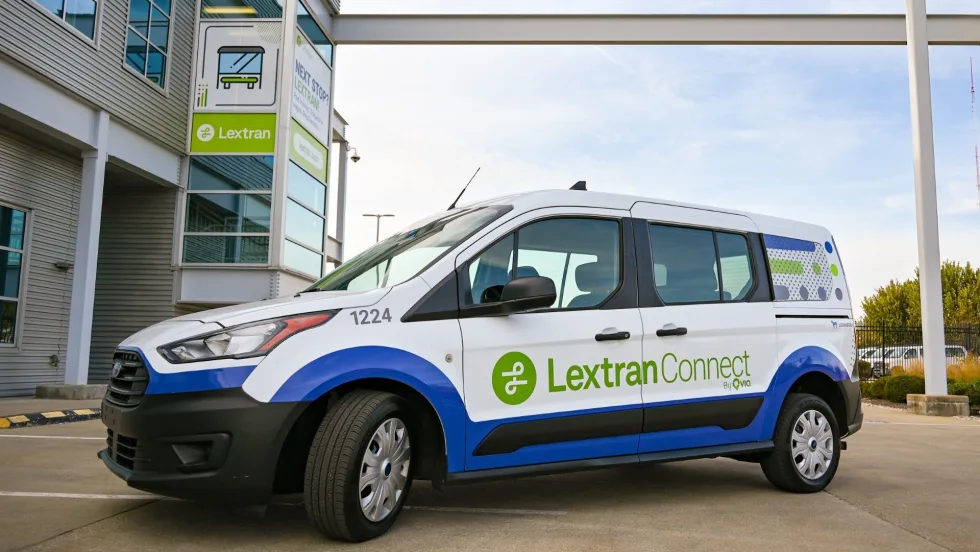
Lextran, Via Team for On Demand, HDR to Work on Twin Cities BRT, and More
In METRO's latest installment, we also take a look at recent news from Keolis, Complete Coach Works, Anchor Transportation, and more partnerships making headlines across the transportation sector.
Read More →
Caltrain’s Electrification Drives a New Era of Ridership Growth
The railroad’s shift to electric service has brought more frequent trains, stronger customer satisfaction, and increased ridership, earning it APTA’s Outstanding Public Transportation System award.
Read More →
Video Surveillance in Public Transit: What Riders Really Think
As video surveillance gains public acceptance, new research from Axis Communications reveals what transit riders expect from agencies when it comes to safety, privacy, and AI.
Read More →
New York MTA Launches Historic $1.9B Signal, Track Modernization Project
Funded in part by congestion pricing revenue, the project will replace nearly century-old signals along the A and C lines in Brooklyn and Queens.
Read More →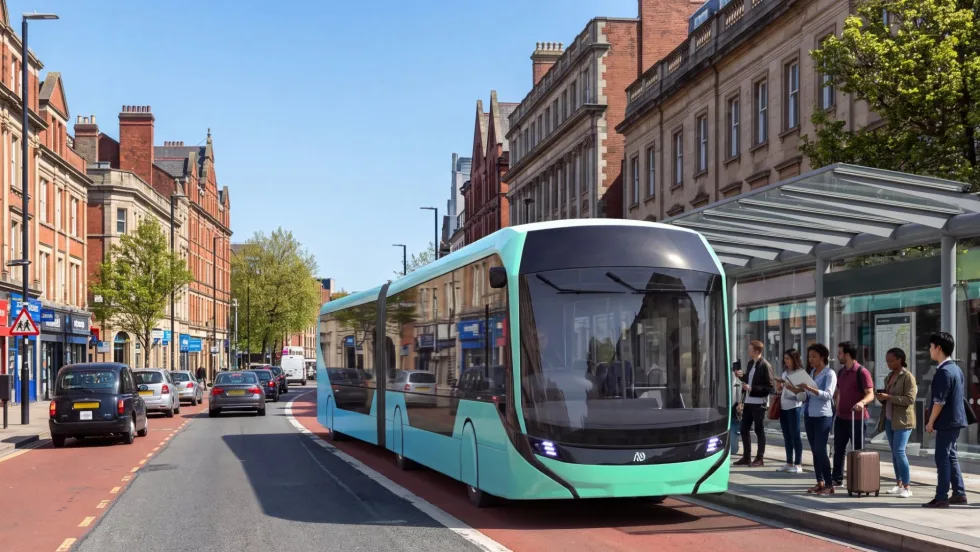
Biz Briefs: New Electric Offering from Alexander Dennis/Volvo, Transdev in Boston, and More
In METRO's latest installment, we also take a look at recent news from STV, WSP, Prevost, and more partnerships making headlines across the transportation sector.
Read More →
Roman Cornell on ABC Companies’ Evolution and the Future of Passenger Transportation
The company’s CEO discusses carrying forward a third-generation family legacy, ABC’s continued evolution in passenger transportation, support for increasingly complex fleets, and how technology and continued investment could help operators improve uptime.
Read More →