



King County releases data to programmers
Metro is now making its data more easily accessible by providing developer support pages on Metro Online with the data in industry standard General Transit Feed Specification. The data is free of charge to anyone who agrees to the terms of use.

Seattle’s King County Metro Transit (Metro) recently opened up the behind-the-scenes data that supports bus schedules and routes to independent programmers. The agency is doing this to encourage creativity in designing Web or cell phone applications that will make riding Metro easier and more convenient.
In recent years, some developers have entered private agreements with Metro to use its data to create an online bus map like Google Transit for Seattle or the popular One Bus Away, a real-time bus locator application started by students at the University of Washington.
Metro is now making its data more easily accessible by providing developer support pages on Metro Online with the data in industry standard General Transit Feed Specification (GTFS). The data is free of charge to anyone who agrees to the terms of use.
“King County is home to some of the best and brightest tech minds in the world, and we want to tap into their ingenuity,” said Metro GM Kevin Desmond. “Our customers love the apps that are already out there for their phones and computers, and we think there is a lot of potential to create more.”
Desmond said new Web or mobile applications won’t be “official” Metro products, but may be referenced on Metro Online so Metro customers can choose the ones that work best for them.
In the past, Metro used its own data to develop applications like Trip Planner and Bus Time. Trip Planner was so successful that it was expanded into a regional travel planning tool that today incorporates the schedules and routes of many of the largest transportation agencies in the Puget Sound area.
Desmond said in these tight budget times Metro doesn’t always have the resources to work on new application projects, and welcomes the chance to make Metro data more available to private developers.
More Bus

LA Metro, City of West Hollywood, and Partners Advance Smarter Bus Lane Enforcement
The award-winning partnership combines AI-powered detection with human oversight to improve bus reliability, accessibility, and enforcement efficiency.
Read More →
PSTA Modernizes Workforce Management with Digital Bidding System
The award-winning Workforce Transit Modernization project replaced paper bidding with a transparent digital platform, cutting administrative effort while improving access for operators.
Read More →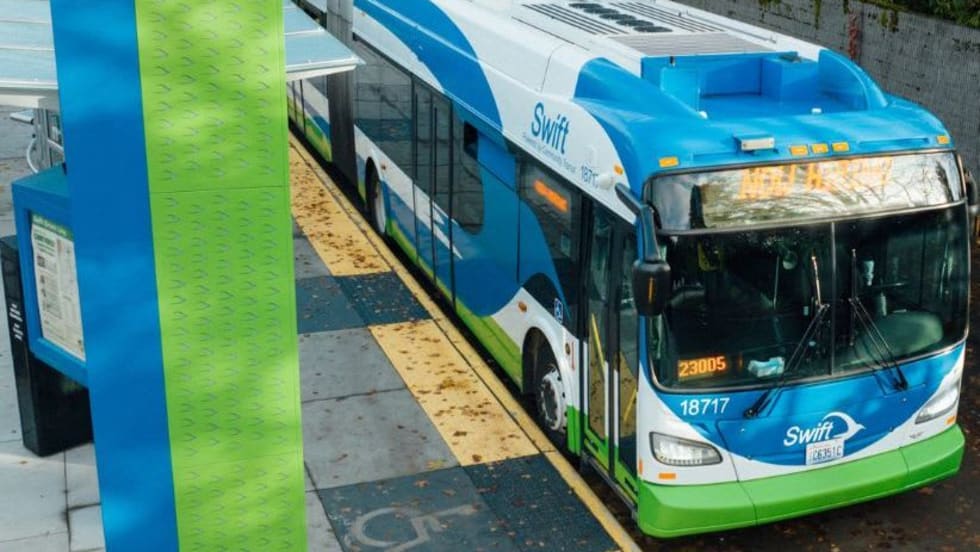
Washington's Community Transit Sets Six-Year Roadmap for Growth, Expansion
Approved TDP targets more bus service, new mobility options, Swift BRT expansion, and a potential Everett Transit annexation.
Read More →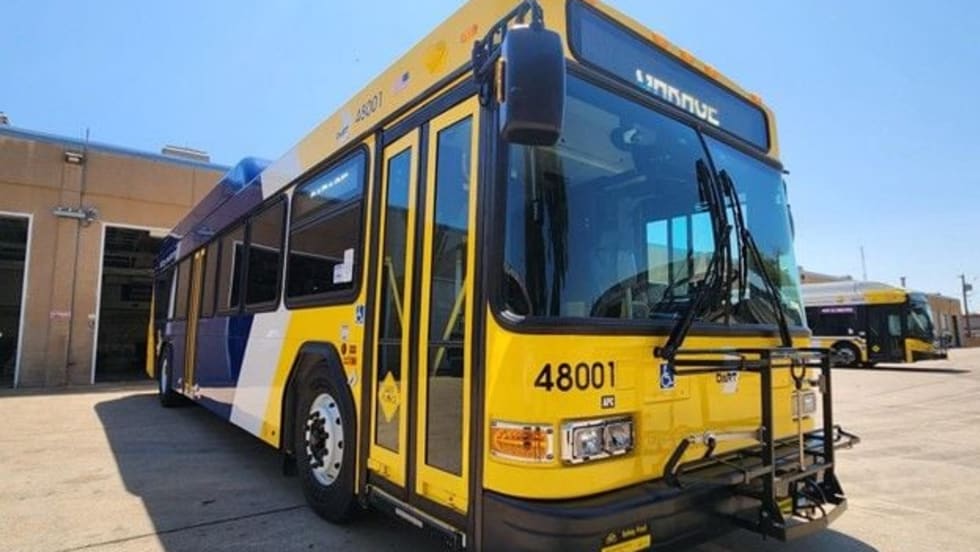
DART Customer Satisfaction Reaches Six-Year High
Overall satisfaction rose to 74.9%, while the agency’s Net Promoter Score reached a record 33.7.
Read More →
How DART's GoPass Is Redefining Regional Mobility
Serving 14 transit agencies, GoPass simplifies multimodal travel by allowing riders to plan, pay for, and manage an entire trip through one app.
Read More →
Biz Briefs: OCTA Taps Clean Energy for Hydrogen Station, Stadler to Supply Via Rail Vehicles, and More
From manufacturers and suppliers to transit agencies and motorcoach operators, these updates offer a snapshot of the projects, partnerships and business moves driving the industry forward.
Read More →
METRO Magazine Announces 2026 Innovative Solutions Awards Winners
Projects Recognized for Advancing Mobility Through Technology, Accessibility, Workforce Innovation, and Operational Excellence
Read More →
Biz Briefs: STV teams with Amtrak, Motorcoach Operators Boost Fleet and Land Contracts, and More
From manufacturers and suppliers to transit agencies and motorcoach operators, these updates offer a snapshot of the projects, partnerships and business moves driving the industry forward.
Read More →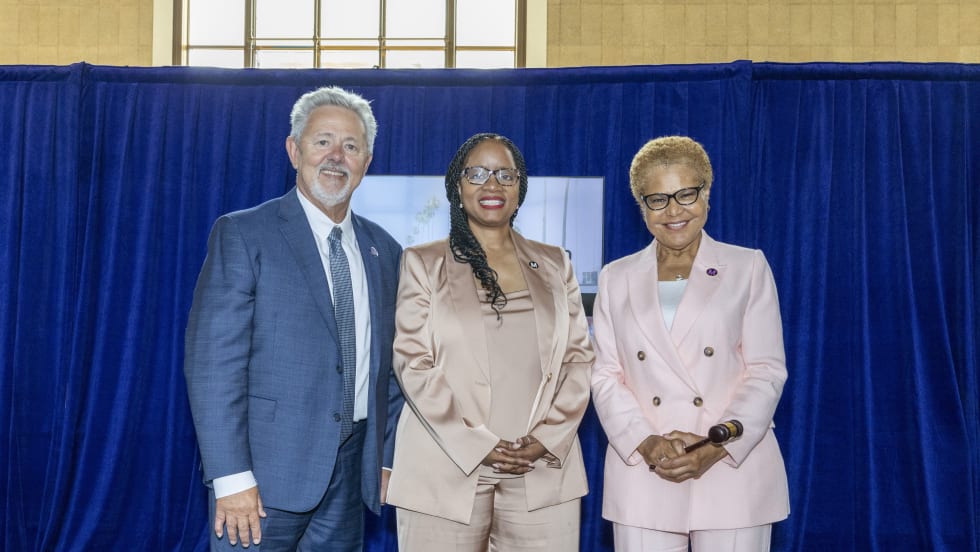
LA Metro Marks Banner Year, Sets Ambitious Goals for New Fiscal Year
Incoming LA Metro Board Chair and Los Angeles Mayor Karen Bass joined outgoing Board Chair Fernando Dutra and LA Metro CEO Stephanie Wiggins to review accomplishments from fiscal year 2026, which included the opening of new rail extensions, advancement of major transit projects, expanded safety programs, and new rider amenities.
Read More →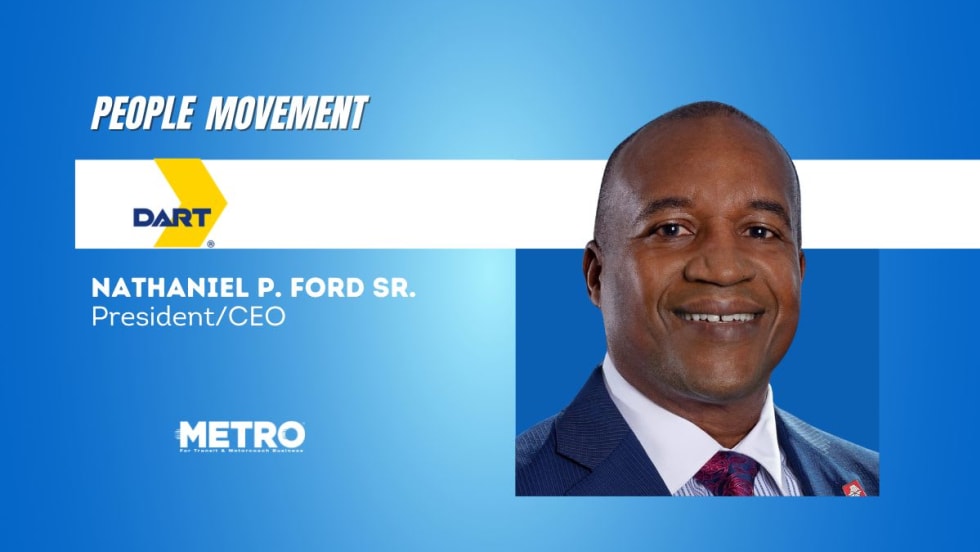
DART Taps Nathaniel P. Ford Sr. as Next President/CEO
Since 2012, Ford has served as the CEO of the Jacksonville Transportation Authority
Read More →