



L.A.-based automotive company unveils electric bus
Neuron EV's electric bus is completely modular, which means the length of the vehicle can be modified to serve in a variety of ways.

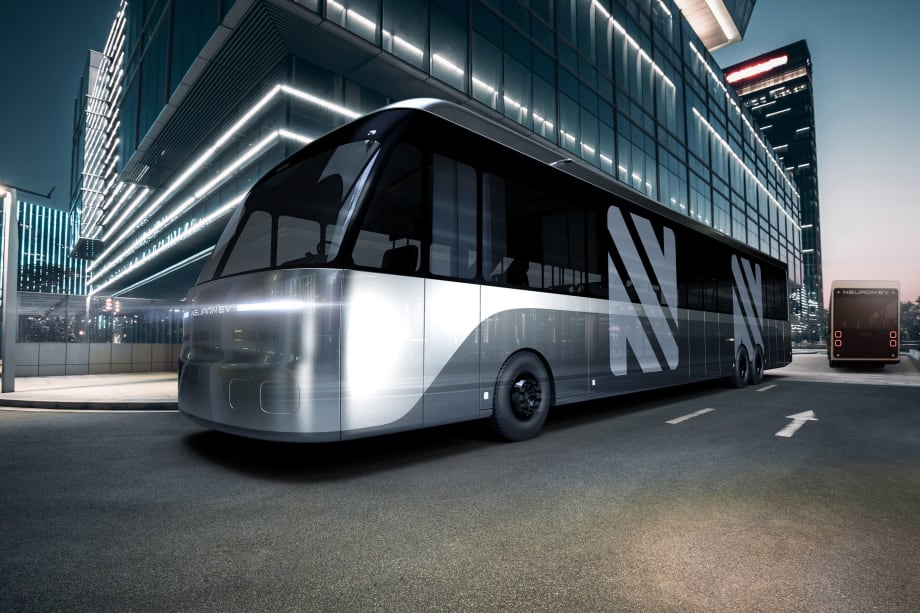
Neuron EV's electric bus features a modular design.
Neuron EV (c) 2019
Neuron EV's electric bus features a modular design.
Neuron EV (c) 2019
Los Angeles and Shanghai-based automotive company Neuron EV, which focuses on innovating electric vehicles and transportation technology, unveiled a new electric bus.
The electric bus is completely modular, which means the length of the vehicle can be modified to serve in a variety of ways, taking on different forms like a mini bus, transit bus, or an articulated bus that can be used for diverse purposes for communities and infrastructures.
The Neuron Electric Bus is made to be compatible with high-speed railways — it's essentially a bus that can convert into a fast metro train, according to the company.
Neuron's clean energy bus can be operated by either a driver or as an autonomous vehicle, and its front portion is interchangeable to meet aerodynamic requirements.
The company has been notable for recently unveiling their latest technologies:
the Multipurpose Autonomous Platform or MAP, a self-motorized platform that mounts structures of various sizes for placement and mobile residence, and Harmony-Utility-Balance or HUB, its intuitive on-demand transportation system.
HUB integrates renewable energy, telecommunications, and cloud computing for ease of mobility. Variants of HUB vehicles provide commercial, public, and personal transportation. HUB activates service through three methods; on-demand, reservations, and traffic detection. A user can also locate a HUB by GPS through a smart device or visit a nearby HUB station.

Neuron EV's HUB is its intuitive on-demand transportation system.
Neuron EV (c) 2019
Rideshare HUBs operate autonomously at low speeds within a five-mile radius of a community. HUB expands intuitive ride sharing by integration of blockchain technology. Input or scan of a blockchain ID allows HUB service without reservations and incentivizes frequent use. Traffic detection software directs HUB to areas with high demand and reserves time for efficient maintenance. HUB is versatile transportation with diverse autonomous applications, including ride-sharing; shuttle service; fleet rental and personal vehicle.
HUB can be reserved as a personal vehicle. The user can select from basic, comfort, and premium levels of accommodations. A basic HUB comfortably fits a maximum of six passengers with abundant cargo space.
More Bus
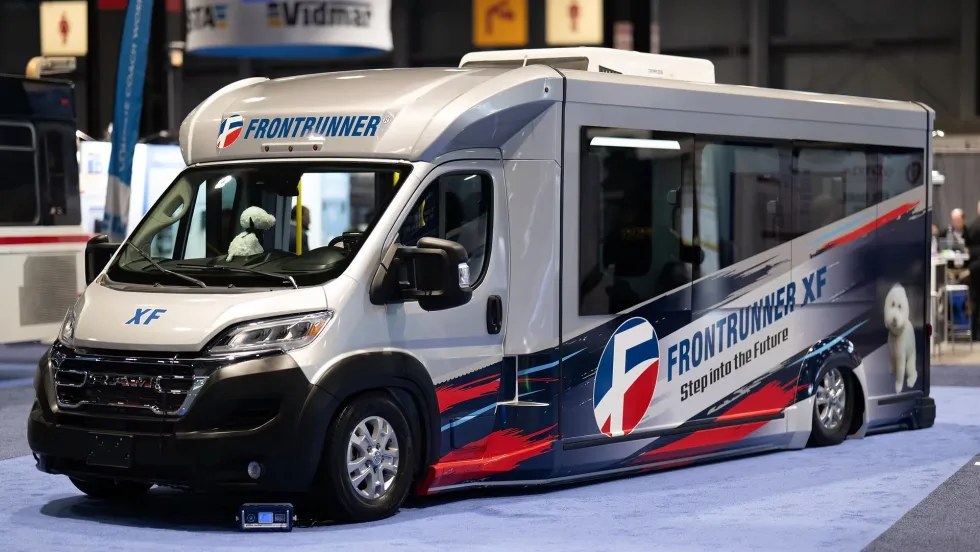
Frontrunner Bus Group Introduces XF Low-Floor Bus with Enhanced Accessibility
The new mid-sized bus features a full flat-floor design, eight-inch curbside step-in height, and zero-entry rear ramp to improve passenger access and operational flexibility.
Read More →
Scenes from APTA TRANSform & EXPO 2026
Transit leaders, manufacturers, and industry professionals gathered in Chicago to explore new technologies, share ideas, and discuss the future of public transportation.
Read More →
More Than a Summer Job: Building the Next Generation of Transit Talent
The Delaware River Port Authority and PATCO have transformed their internship program into a hands-on professional development experience that introduces students to the breadth of transportation careers — and creates a pipeline for future employees.
Read More →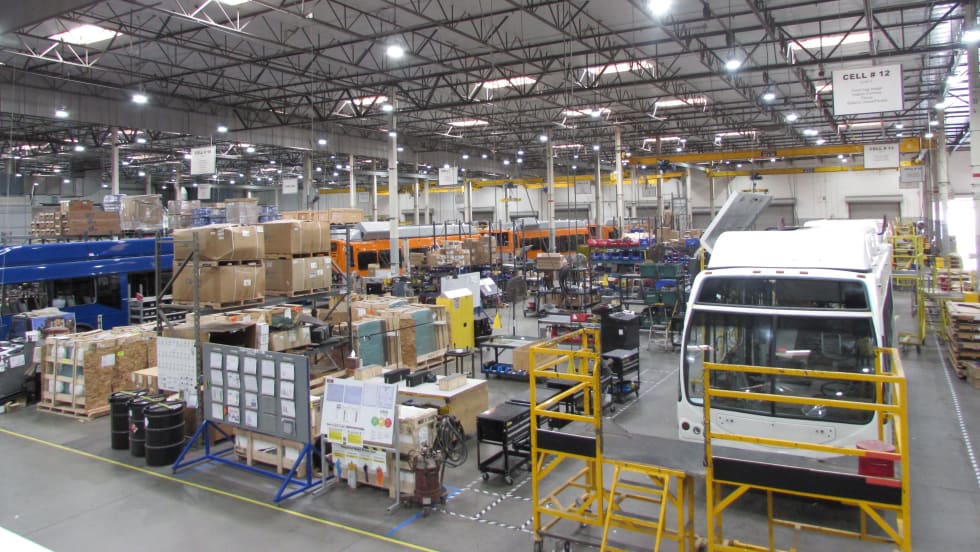
LA Metro Board Awards 220 Battery-Electric Bus Contract to ENC
The contract, which is the largest base award of battery-electric buses by a U.S. transit agency, will be built in Southern California, sustaining good jobs as LA prepares to welcome the world in 2028
Read More →
Public Transit Conference Returning to GFX in 2027, Call for Papers Now Open
The Call for Papers is now open, allowing transit agency professionals and industry experts to help shape the PTC educational program by submitting session ideas for consideration.
Read More →
Indian River Transit’s Community-Focused Approach Earns National Recognition
Named APTA’s 2026 Outstanding Public Transportation System in its size category, Florida’s Indian River County transit system continues to grow ridership through fare-free service and a focus on evolving community needs.
Read More →
ENC Lands MATA Contract and More in Biz Briefs
In this edition of Biz Briefs, we spotlight the latest developments shaping the future of mobility.
Read More →
From Surviving to Thriving: Building Stronger Transportation Organizations
Bus Business Consultants founder Brian Dickson shares lessons on leadership, organizational health, and creating options for long-term success in a changing transportation industry.
Read More →
Everett Transit, Community Transit Outline Consolidation Agreement
The proposed agreement calls for a 50% increase in bus service in Everett, a new microtransit zone, continued paratransit service, and the transfer of Everett Transit operations to Community Transit.
Read More →
SEPTA Details Accelerate Vision for Transit System
The plan outlines investments in trolley modernization, new Metro and Regional Rail vehicles, accessible stations, and more frequent bus and rail service.
Read More →