



LA Metro Celebrates 10-Year Anniversary of Expo Line Opening
In the 10 years since the first phase opened to the public, the line has carried nearly 127 million boardings.
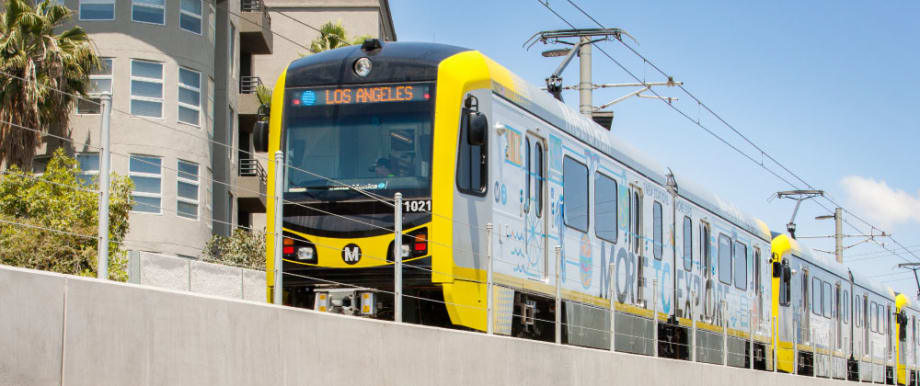
Construction for the first phase of the E line began in 2006 and spanned 8.6 miles between 7th Street/Metro Center Station and La Cienega/Jefferson
Photo: L.A. Metro
The Los Angeles County Metropolitan Transportation Authority (Metro) celebrated the 10-year anniversary of the first phase of the E Line (Expo) from downtown Los Angeles to La Cienega/Jefferson in the West Adams neighborhood near Culver City.
The Expo officially opened on April 27, 2012.
In the 10 years since the first phase opened to the public, the line has carried nearly 127 million boardings.
"The E line is today one of the most vital transit lines that we operate in Los Angeles County," said Hilda L. Solis, Metro board chair. "This line serves as a key link for riders who need to make countywide connections including the Eastside, Long Beach, Redondo Beach, the San Gabriel Valley, and the San Fernando Valley. Later this year, after the Regional Connector opens, riders will be able to travel from East LA to Santa Monica on the E Line with a one-seat ride — demonstrating what true mobility is for Angelenos."
Construction for the first phase of the E line began in 2006 and spanned 8.6 miles between 7th Street/Metro Center Station and La Cienega/Jefferson, with the Farmdale and Culver City stations opening in June 2012. The remainder of the line extended another 6.6 miles to reach Santa Monica in 2016.
"As we celebrate the 10-year anniversary of the E Line, we are reminded that good things come to those who wait. The E line now serves as the backbone of transit connection throughout Central Los Angeles and communities in my district like Expo Park, USC, West Adams, Baldwin Hills, Culver City," said Holly Mitchell, Metro board member. "We eagerly await the arrival of the Crenshaw/LAX line, which will connect to the E line and transform mobility in our region, particularly for some of the most underserved communities of the County."
Phase one of the Metro Expo Line costed $932 million at the time. There were 12 stations with two stations shared with the Metro Blue Line which provided service to USC, Exposition Park, the Mid-City communities, the Crenshaw District, and Culver City.
"Commuters waited for many years to have a convenient transit alternative to being stuck in traffic congestion coming in and out of the Westside," said Sheila Kuehl, Metro board member. "The E line has proven to be a welcome lifeline to major L.A. destinations, including USC, job centers, beaches, the Pier, museums, religious centers, medical institutions, commerce and recreational facilities."
More Rail
Amtrak, CN Reach Agreements to Strengthen Passenger Rail Service, Safety
The agreement resolves a more than decade-long proceeding before the Surface Transportation Board concerning the terms and conditions for Amtrak services, such as the City of New Orleans, Illini/Saluki, and Wolverine.
Read More →
New York MTA Advances Final Contract for Second Avenue Subway Expansion
Contract Four is the largest in the Second Avenue Subway Phase 2 project and includes construction of station infrastructure, tracks, and signals for the subway expansion, MTA officials said. Work on Contract Four will begin in 2027.
Read More →
San Diego MTS Breaks Monthly Trolley Ridership Record
Agency officials said July’s ridership indicates MTS’s continued recovery from the pandemic.
Read More →
Report Examines NJ TRANSIT Reliability, Funding Challenges
The Garden State Initiative analysis examines the roles of Amtrak infrastructure, fleet management, and agency operations while recommending a more performance-based approach to improving reliability.
Read More →
Stadler, CapMetro Sign Long-Term Rail Fleet Support Agreement
Beginning in 2027, Stadler will provide on-site technical expertise, spare parts support, training, and obsolescence management to help extend the reliability and longevity of CapMetro’s GTW fleet.
Read More →
Biz Briefs: Alstom Lands Canadian Contract, LYT to Supply California TSP, and More
In METRO's latest installment, we take a look at recent news from Complete Coach Works, Beep, FlixBus, and more partnerships making headlines across the transportation sector.
Read More →
CATS Gold Line Marks 5 Years of Service, 2.8M Passenger Trips
With a six-mile expansion planned, the Charlotte streetcar is positioned to connect more neighborhoods and major transit hubs across the region.
Read More →
Why Simulating Pedestrian Movement Has Become Essential for Modern Rail Stations
Pedestrian microsimulation is helping rail planners identify bottlenecks, test station designs, and prepare complex transit hubs for growing passenger volumes.
Read More →
Amtrak Begins Major Construction at New York’s Sunnyside Yard
The new maintenance facility will support Amtrak’s Airo trainsets while improving maintenance efficiency and turnaround times in New York.
Read More →
Chicago Leaders Unveil Plans for O’Hare Airport Express Train
The privately developed project would offer a 15-minute trip between downtown and O’Hare’s Terminal 2, with trains operating every 15 minutes on a dedicated track. The service would use battery-electric trains and three existing freight rail rights-of-way.
Read More →