




RELATED: How Metro is inspiring, training tomorrow's workforce
L.A. Metro FY20 balanced budget includes $587M increase
Budget highlights include $1.844 billion for bus and rail operations and $2.378 billion for various capital projects.
May 24, 2019
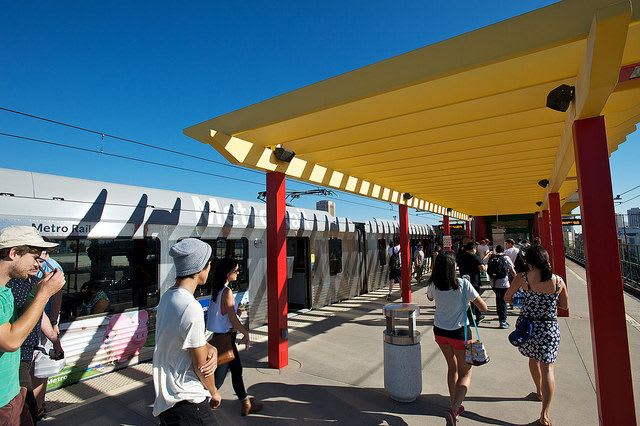
The adopted budget is for the new fiscal year beginning July 1 and runs through June 30, 2020.
LA Metro
3 min to read
The adopted budget is for the new fiscal year beginning July 1 and runs through June 30, 2020.
LA Metro
The Los Angeles County Metropolitan Transportation Authority (Metro) board of directors approved a $7.2-billion budget for Fiscal Year 2020 (FY20) following a recent public hearing and extensive public outreach and input. The adopted budget represents an 8.9% increase from the FY19 budget.
During the FY20 budget process, the public had the opportunity to provide comments by visiting the agency’s Interactive Budget Tool. The interactive tool included a short survey to guide future budgets, where the public shared their transportation priorities, allocated dollars to programs they prefer, and provided feedback on Metro’s budget.
The FY20 budget is balanced and calls for no fare increases. The $586.7 million increase over last year’s budget is due to Metro expecting more revenues from its sales taxes, grants, and bonds while increasing expenses are due in part to costs associated with labor and benefits, debt, and the planning and construction of road, transit, and active transportation projects. The adopted budget is for the new fiscal year beginning July 1 and runs through June 30, 2020.
“Metro is poised to lead the ongoing transformation of Los Angeles County. Better mobility means greater access to opportunities for all, including jobs, education, housing, and healthcare — essential elements for a higher quality of life in the region.” said Metro CEO Phillip A. Washington. “Again, this year we are emphasizing the importance of tightened financial controls in order to maintain long term financial stability.”
Budget highlights include $1.844 billion for bus and rail operations and $2.378 billion for various capital projects including major construction activity for the Regional Connector Project, the Crenshaw/LAX Line, and extensions of the Purple Line subway and the Gold Line Extension. The budget also includes $1.405 billion in funding for regional transit and local subsidies.
Within the budget, the bus and rail service plans consists of 8.23 million revenue service hours with bus hours at 7,094,376 — a modest increase — while rail service will consist of 1,134,953, which is a 5.7% adjustment.
For rail this will include some service modifications to the Blue, Gold and Expo lines to make schedules and train lengths more consistent, improve on-time performance, allow more time for light rail vehicles maintenance, and match service levels with actual demand based on board-adopted policies.
Metro also plans to finish the NextGen Bus Study in FY20, a multi-year project that will modernize Metro’s bus network. Since beginning in 2018, the study has been diving deep into several important topics, such as transit market demand and the ability of our current bus system to serve current and potential customers. The conclusion of the NextGen Bus Study will result in specific recommendations on how Metro can best reimagine the system to be more relevant to what people need today.
More Management

METRO Opens Submissions for 2026 Motorcoach Awards
Nominations are now being accepted for METRO Magazine’s Operator of the Year and Innovative Operator of the Year awards.
Read More →
New York MTA Advances Final Contract for Second Avenue Subway Expansion
Contract Four is the largest in the Second Avenue Subway Phase 2 project and includes construction of station infrastructure, tracks, and signals for the subway expansion, MTA officials said. Work on Contract Four will begin in 2027.
Read More →
Transit Agencies Highlight Safety Gains at National Summit
Leaders from 15 major transit systems shared crime-reduction results and safety initiatives while discussing the role of continued federal support.
Read More →

NITA Names New Leadership, Expands Reduced-Fare Program at First Board Meeting
The new regional transit authority appointed its first board chair and interim executive director while extending reduced fares across CTA, Metra, and Pace for eligible riders.
Read More →
Beyond the Checklist: A Structured Approach to Transit Maintenance
Reliability-Centered Maintenance helps transit agencies move beyond routine checklists to focus limited resources on the assets and failures that have the greatest impact on safety, reliability, and service.
Read More →
APTA 2026 Nominating Committee Selects Leadership Slate, Names Chair and Vice Chair Nominees
Leadership changes will help shape the association’s priorities and its representation of the transportation industry during the 2026–2027 term.
Read More →
DART Launches Major Security, Fare Enforcement Initiative
The 90-day demonstration will deploy coordinated security teams at five light rail stations while testing controlled access and gathering data to guide future investments.
Read More →
Sponsored•September 9, 2026
Advancing Fare Collection Through Technology and Innovation
Learn about delivering 1300 gates at 91 stations while managing fare evasion. Explore the large scale deployment, solution customization and real-world results that affect the region. Prepare for deployment in your region now.
Read More →
Game Day in Motion: Moving Millions During the 2026 World Cup
Between packed transit stations and team motorcoaches, see how agencies and operators across North America tackled the transportation demands of the 2026 FIFA World Cup.
Read More →
Surface Transportation Extension Averts Shutdown, Leaves Transit Funding Gap
The stopgap keeps federal transportation programs moving, but missing advance funding could complicate the transit and rail projects agencies are planning next.
Read More →