



Related: LA Metro To Implement Photo Enforcement on Rail Line
L.A. Metro Launches 'Keep Metro Clean and Safe' Campaign
Metro said it will increase compliance with rules requiring masks to be worn and banning smoking and littering on the system.
by Staff
September 21, 2021
Metro said employees will provide reminders to customers to encourage their voluntary compliance.
Photo: LA Metro
2 min to read
The Los Angeles County Metropolitan Transportation Authority (Metro) launched its “Keep Metro Clean and Safe,” a campaign promoting a shared responsibility between employees and riders to protect each other against COVID-19 and improve the customer experience, according to the agency’s press release.
The “Keep Metro Clean and Safe” campaign focuses on three Metro rules:
Masks – As part of this campaign, Metro staff will freely distribute masks to those who do not have them at key transit stations throughout the system over the coming months. Metro has also opened several free vaccination sites at transit stations.
Smoking –Metro is a no-smoking zone. The agency will ask customers to extinguish their cigarette or smoking device to help ensure the health of fellow riders.
Littering – Metro is a no-littering zone. Customers should throw all trash, including used face masks, into designated trash receptacles.
Metro said it will increase compliance with rules requiring masks to be worn and banning smoking and littering on the system.
“Metro has heard our riders call for a cleaner, safer system loud and clear,” said Hilda L. Solis, Metro board chair and chair of Los Angeles County Board of Supervisors Hilda. “This new campaign is quite measured and appeals to the better angels of our nature: We must all treat our fellow riders and our transit system like we would our own home, personal property or friend. We must all do our part to make our transit system cleaner, safer and more enjoyable for everyone who depends on it.”
Metro said employees will provide reminders to customers to encourage their voluntary compliance.
“One of my top priorities is to make Metro the first choice for transportation in the region, because our customers have an experience that is second to none. This depends on how well we listen and respond to our riders in improving our service,” said Stephanie Wiggins, Metro CEO. “We recognize and embrace our responsibility to provide a cleaner, safer and respectful environment. At the same time, improving the overall experience in a real way is everyone’s responsibility. We want our customers to feel a sense of pride and ownership of the system.”
More Security and Safety
Safe Transit Act Proposes New Security Requirements for Federal Transit Funding
Proposed legislation would link federal transit dollars to safety measures while requiring security investments, onboard cameras, and new fare collection standards.
Read More →
FTA Ends Direct Oversight of MBTA Safety Actions
The federal agency closed its remaining special directive to the Massachusetts Department of Public Utilities following a safety review that began in 2022.
Read More →
Transit Agencies Highlight Safety Gains at National Summit
Leaders from 15 major transit systems shared crime-reduction results and safety initiatives while discussing the role of continued federal support.
Read More →
DART Launches Major Security, Fare Enforcement Initiative
The 90-day demonstration will deploy coordinated security teams at five light rail stations while testing controlled access and gathering data to guide future investments.
Read More →
RTD Launches NextRide App to Consolidate Trip Planning, Fares, Security Reporting
The app expands on RTD’s existing NextRide web application and allows customers to view real-time vehicle locations and service alerts, purchase and store digital fares, and access customer support.
Read More →
TAPTCO Updates OSHA Compliance Training for Transit Maintenance Operations
The revamped program addresses 26 OSHA standards for maintenance facilities, with TAPTCO pointing to training, documentation, and everyday shop hazards as continuing challenges for transit operations.
Read More →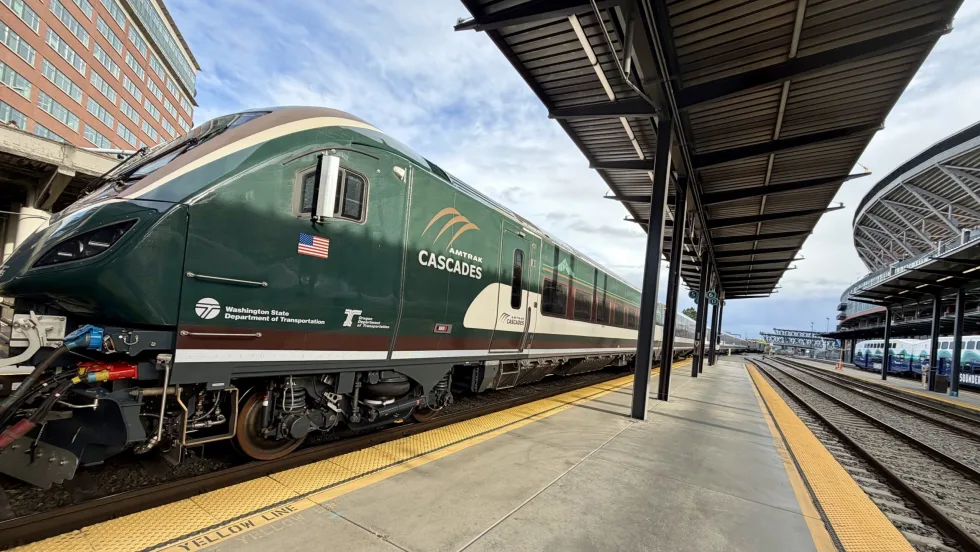
FRA Announces $5.3B in Rail Investments, Including $2B for Amtrak
Funding will support grade-crossing improvements, infrastructure upgrades, and new Amtrak equipment in 23 states.
Read More →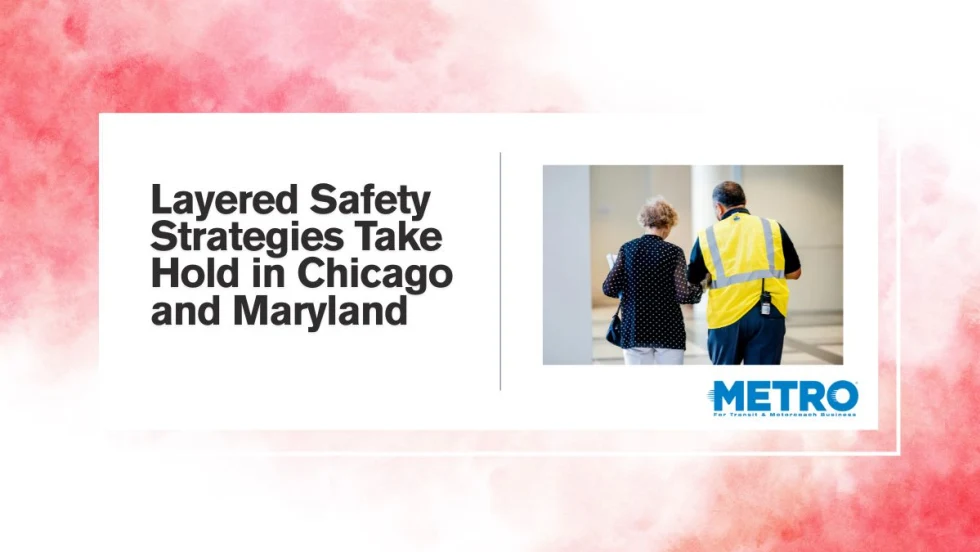
Chicago, Maryland Expand Non-Law-Enforcement Safety, Rider Support
The CTA and MTA are launching new programs aimed at de-escalation, crisis response, rider assistance, and greater transparency.
Read More →
LA Metro, City of West Hollywood, and Partners Advance Smarter Bus Lane Enforcement
The award-winning partnership combines AI-powered detection with human oversight to improve bus reliability, accessibility, and enforcement efficiency.
Read More →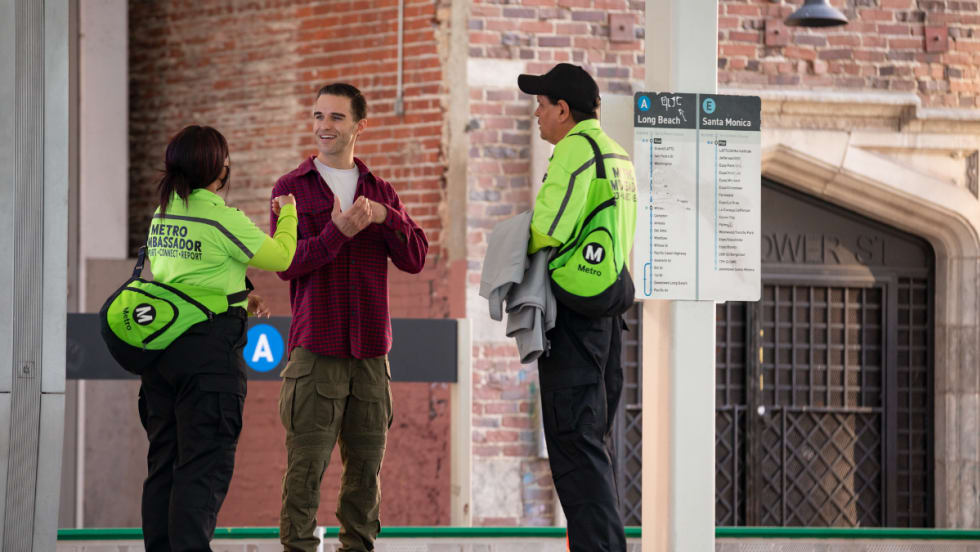
LA Metro Reports 57% Decline in Homelessness on Transit System Since 2024
The agency's latest homelessness count offers new data on how care-based services and cross-sector partnerships can complement traditional transit security strategies.
Read More →