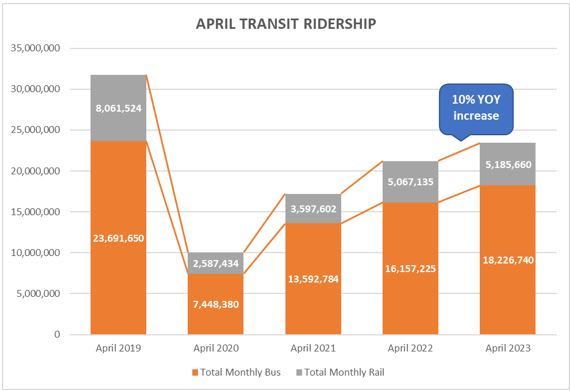
Total system ridership in April 2023 was 10% higher than in April 2022, reaching the highest ridership level recorded since the onset of the coronavirus pandemic in March 2020.
Total system ridership in April 2023 was 10% higher than in April 2022, reaching the highest ridership level recorded since the onset of the coronavirus pandemic in March 2020.
Ad Loading...
More than 18.2 million rides were delivered on Metro buses during the month, along with almost 5.2 million rides on the rail system.
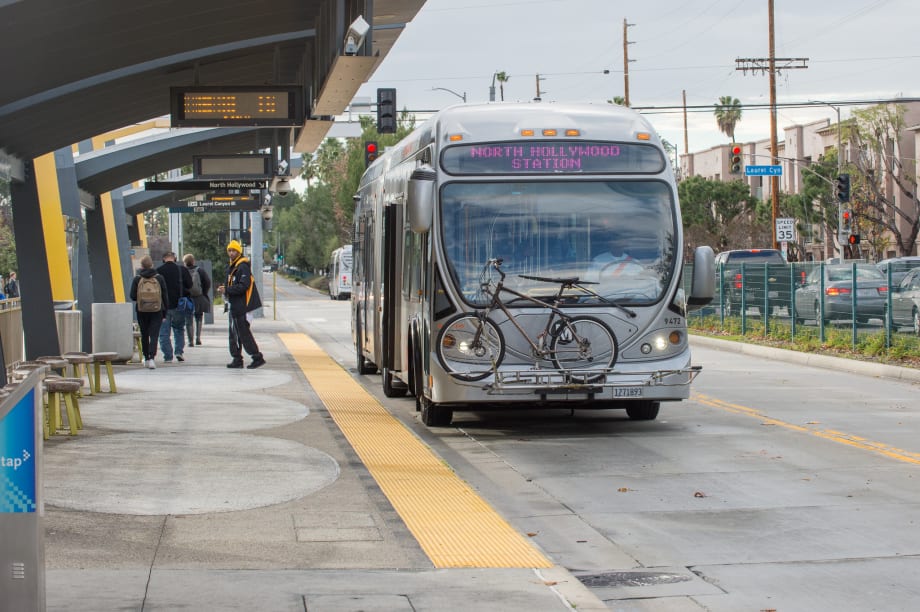
Photo: LA Metro
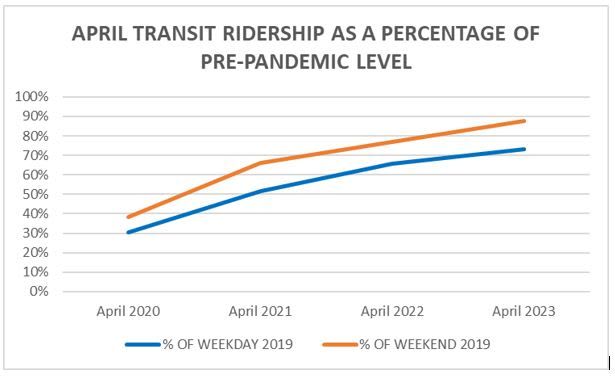
More than 18.2 million rides were delivered on Metro buses during the month, along with almost 5.2 million rides on the rail system. Ridership was especially high on weekends in April, rising 14% year over year and reaching 88% of its April 2019 level, before the pandemic began.
“While remote work continues to depress our weekday ridership, I’m pleased that we’ve recovered nearly 90 percent of our pre-pandemic ridership on the weekends,” said Stephanie Wiggins, CEO of Metro. “People are continuing to choose Metro for their weekend activities because it is fast, frequent, safe, and gets them to where they want and need to go. There’s a lot more to do to bring more riders back to transit, but we’re encouraged by the fact that our ridership numbers continue to trend upward.”
Weekend ridership has become a bigger share of Metro’s overall ridership over the past three years. In April 2019, average weekend ridership was just 55 percent of average weekday ridership. In April 2023, average weekend ridership was 66.4% of the average weekday ridership.
Ridership was especially high on weekends in April, rising 14% year over year and reaching 88% of its April 2019 level, before the pandemic began.
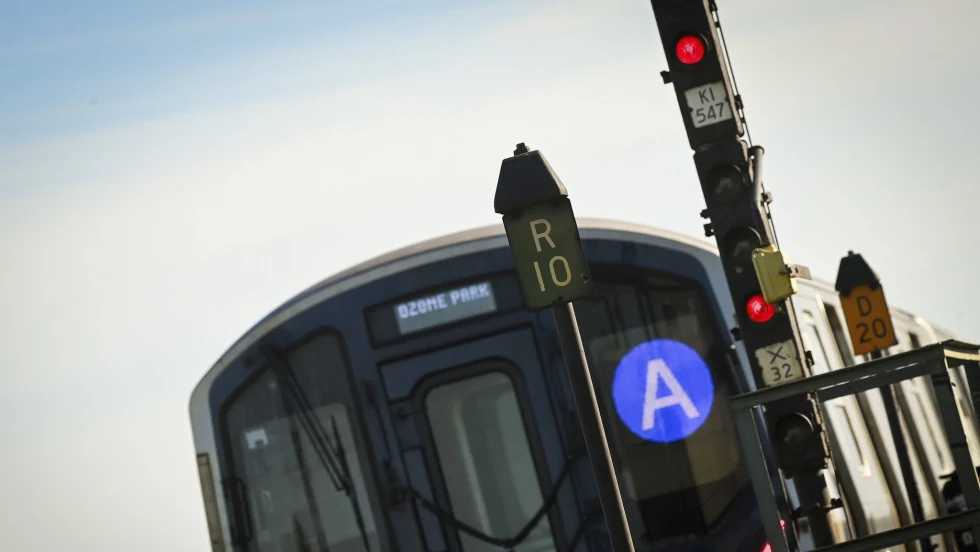
Photo: LA Metro
Keys to Metro's Ridership Boost
Over the past year, Metro has taken aggressive steps to ensure its transit service is fast, frequent, friendly, and safe. In the past year, Metro has:
Fully restored bus service to its pre-pandemic level, making many lines faster and more frequent.
Opened the initial operating segment of the K Line, from Expo/Crenshaw Station in Los Angeles to Westchester/Veterans station in Inglewood.
Hired more than 1,000 new transit operators to ensure adequate staffing levels for transit service.
Added more than 300 Metro Ambassadors to the transit system to improve customer service.
Implemented a new multi-layered public safety approach to increase the visible presence of both armed and unarmed security and customer care personnel on the system.
Implemented a Drug-Free Metro campaign focused on drug-related crimes with increased enforcement by our law enforcement partners targeting the hotspots throughout the system resulting in cleaner, safer transit experiences for our riders.
Initiated a pilot program at Westlake/MacArthur Park station to improve security and cleanliness, including improved lighting, closing off underused entrances and hallways, playing music to deter loitering, adding more and better closed-circuit cameras, and increasing the uniformed presence of custodians, Metro Ambassadors, Transit Security, and law enforcement partners.
Ad Loading...
Weekend ridership has become a bigger share of Metro’s overall ridership over the past three years.
Photo: LA Metro
Metro has also stepped up its efforts to make transit more accessible and affordable through its fareless and reduced-price transit pass programs.
Usage of Metro’s GoPass pilot program, which gives free transit passes to K-12 and community college students in participating schools, is up 57% year over year.
Usage of Metro’s Low-Income Fare is Easy (LIFE) program, which gives free rides and discounted fares to people with low incomes, went up 44% year over year, from April 2022 to April 2023.
Bus Business Consultants Founder Brian Dickson discusses the leadership principles, operational discipline, and strategic planning that separate transportation companies positioned for long-term success from those stuck in survival mode.
The 12.4-mile corridor is projected to serve 66,200 daily riders, reduce travel times by up to 24%, and create the nation's busiest bus rapid transit corridor.
Dr. Carol Parker Walsh discusses leadership development, employee retention, workplace culture, and preparing transit’s workforce for AI and automation.
The company’s CEO discusses carrying forward a third-generation family legacy, ABC’s continued evolution in passenger transportation, support for increasingly complex fleets, and how technology and continued investment could help operators improve uptime.
The new microtransit zone connects residents to key destinations as Charlotte Area Transit System rolls out the first phase of its 2055 Transit System Plan.
San Antonio's VIA Metropolitan Transit reported the highest bus ridership growth among major Texas transit systems. Federal Transit Administration data ranked it second among the nation's 50 largest transit systems.
Developed with support from the Standards Council of Canada, CSA D700 guides assessing climate-related risks and planning adaptation measures for transit and passenger rail systems.
ETA founder and CEO John Maglio explores the evolution of transit technology, the importance of reliable systems, and how stronger partnerships can help agencies improve operations and the passenger experience.
The new plan outlines improvements to service reliability, accessibility, communication, and the overall rider experience across Central Ohio's transit system.