



DART Introduces Dashboard to Track Ridership Data
The initial release represents the first phase of DART’s efforts to expand access to ridership information. Additional dashboard features, data, and functionality will be introduced in future phases.


The dashboards offer a detailed view of ridership across DART’s bus, commuter rail, light rail, paratransit, and GoLink services, including data for communities throughout DART’s service area.
DART
- DART has launched new public dashboards on their website to provide monthly ridership data for their various transit services.
- These dashboards offer detailed insights into ridership patterns across different regions in DART's service area, enhancing transparency.
- Future updates will expand dashboard functionalities and data, aiding service-area cities in making informed transit decisions with DART.
*Summarized by AI
The Dallas Area Rapid Transit (DART) launched two dashboards on www.DART.org/RiderStats making monthly ridership data publicly available for the first time.
The dashboards offer a detailed view of ridership across DART’s bus, commuter rail, light rail, paratransit, and GoLink services, including data for communities throughout DART’s service area. A separate dashboard which provides further light rail ridership detail is also available.
The initial release represents the first phase of DART’s efforts to expand access to ridership information. Additional dashboard features, data, and functionality will be introduced in future phases.
Expanding Ridership Information
DART officials said the dashboards provide greater transparency for the public and city officials. The available data enables service-area cities to make real-time decisions about transit services in their cities in partnership with DART.
"The development of these ridership dashboards brought together expertise and input from teams across DART to create a more accessible and transparent view of ridership information," said DART's Interim President/CEO David Leininger. "It’s a testament to our collective commitment to showcasing DART as a valued partner in the economic and social landscape of North Texas."
The dashboards supplement the quarterly ridership reports presented to the DART board by providing timely ridership information. Because data for the current fiscal year remains subject to updates and revisions, dashboard figures may change as additional information becomes available. The quarterly reports provide a comprehensive, contextualized overview of DART’s ridership and will continue to be available on the agency’s website.
The ridership dashboards include the following features:
- FY 2025 and FY 2026 ridership comparisons.
- Monthly, time of day, and day-of-week ridership data across all modes of transportation.
- City-specific ridership and service area information along with system-wide transit data.
- Ridership comparisons across DART Service Area Cities.
- The data will be updated and published monthly with data from the previous month.
Quick Answers
The main purpose of the new dashboards is to make monthly ridership data publicly available for the first time, providing transparency and enabling service-area cities to make informed decisions about transit services.
*Summarized by AI
More Management
CATS Launches West Charlotte Microtransit Zone, Expands Transit Services
The new microtransit zone connects residents to key destinations as Charlotte Area Transit System rolls out the first phase of its 2055 Transit System Plan.
Read More →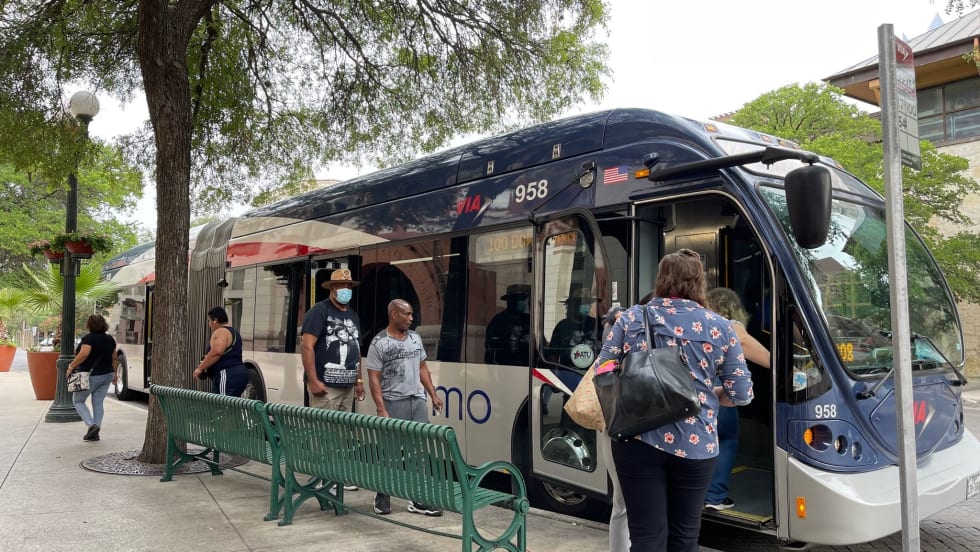
VIA Bus Ridership Grows 10.1% Through August 2026
San Antonio's VIA Metropolitan Transit reported the highest bus ridership growth among major Texas transit systems. Federal Transit Administration data ranked it second among the nation's 50 largest transit systems.
Read More →
CSA Group Releases Climate Resilience Standard for Transit, Passenger Rail
Developed with support from the Standards Council of Canada, CSA D700 guides assessing climate-related risks and planning adaptation measures for transit and passenger rail systems.
Read More →
ETA CEO John Maglio on Transit Technology, Innovation, and Building Agency Trust
ETA founder and CEO John Maglio explores the evolution of transit technology, the importance of reliable systems, and how stronger partnerships can help agencies improve operations and the passenger experience.
Read More →
COTA Launches First Customer Experience Action Plan to Improve Transit Service
The new plan outlines improvements to service reliability, accessibility, communication, and the overall rider experience across Central Ohio's transit system.
Read More →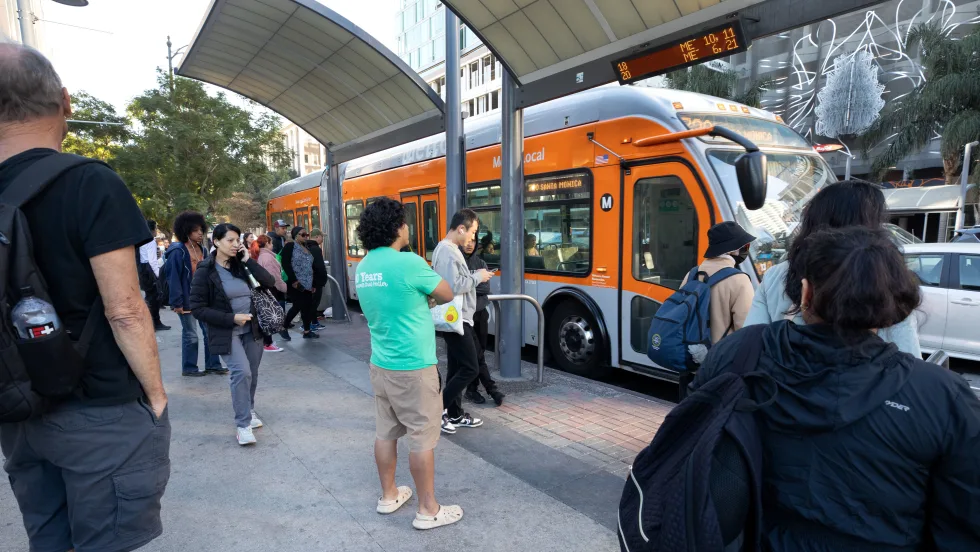
LA Metro September Ridership Climbs 3.9%, Led by Rail Growth
The agency recorded more than 27.2 million boardings, with rail ridership increasing 12.4% year over year and the D Line posting the largest gains.
Read More →
Utilimarc Launches SmartReplace to Optimize Fleet Replacement Decisions
AI-powered SmartReplace helps fleets prioritize vehicle replacements, model budget scenarios, and build more defensible long-term strategies.
Read More →
APTA Honors 2026 Award Winners, Hall of Fame Inductees at TRANSform & EXPO
Innovations in autonomous and zero-emission transportation, standout transit systems, and industry leadership took center stage among this year's honorees.
Read More →
7 Ways to Build a Better Transit Internship Program
Lessons from DRPA/PATCO’s approach to creating a meaningful internship experience—and developing the next generation of transportation professionals.
Read More →
Scenes from APTA TRANSform & EXPO 2026
Transit leaders, manufacturers, and industry professionals gathered in Chicago to explore new technologies, share ideas, and discuss the future of public transportation.
Read More →