



Lapse in WMATA Operator Certification to Impact Some Service
In consultation with the board, management is taking immediate corrective action to remove from service 72 train operators who became out of compliance prior to May 2021.
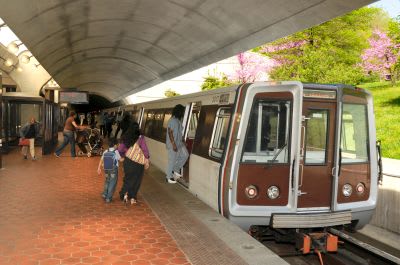
The Washington Metrorail Safety Commission identified lapses in recertification in a recent review, which prompted Executive VP and Chief Safety Officer Theresa M. Impastato to further investigate the issue.
Larry Levine
The Washington Metropolitan Area Transit Authority’s (WMATA) Chief Safety Officer reports nearly half of the agency’s 500 rail operators have lapsed recertification, which includes classroom instruction and supervised testing in the rail yards, as well as on the mainline.
In consultation with the board, WMATA management is taking immediate corrective action to remove from service 72 train operators who became out of compliance prior to May 2021. This will result in a temporary reduction in Green and Yellow line service from every 15 minutes to every 20 minutes due to an operator shortage. In addition, extra trains to relieve crowding, support special events, or replace out-of-service trains may not be available. Service impacts are expected to continue until the end of May.
The Washington Metrorail Safety Commission (WMSC) identified lapses in recertification in a recent review, which prompted Executive VP and Chief Safety Officer Theresa M. Impastato to further investigate the issue.
“The WMATA board of directors received a safety briefing on Thursday that included learning that nearly half of all rail operators had lagging recertifications,” said WMATA Board Chair Paul C. Smedberg. “The Board finds this unacceptable and extremely disappointing. We support Metro management’s decision to immediately remove from service operators who became out of compliance more than a year ago as a first step. The board directed Metro management to provide a full accounting of how and why this occurred and develop a plan to ensure it is remedied as fast as possible.”
Recertification is important because it gives every train operator time to refresh on the rules, reinforce their knowledge, and benefit from evaluation. Also, it’s vital that WMATA management complies with policies they established to ensure safety for the traveling public. The process to recertify more than 250 rail operators will take an estimated two to three months.
“The board is deeply concerned about the impact this operator shortage may have on our customers and the region,” said Smedberg. “However, the board made it clear safety is the top priority and while Metro has made strides in recent years, this issue demonstrates that more work must be done to ensure an organizational-wide safety culture.”
WMATA’s safety department is reviewing the refresher training of more than 2,500 bus operators, which follows a different process than rail.
More Security and Safety
CSA Group Releases Climate Resilience Standard for Transit, Passenger Rail
Developed with support from the Standards Council of Canada, CSA D700 guides assessing climate-related risks and planning adaptation measures for transit and passenger rail systems.
Read More →
San Diego MTS Approves New Fare Evasion Penalty Program
The new administrative process will move eligible violations out of the criminal court system, cap penalties at $125, and provide flexible payment options for riders.
Read More →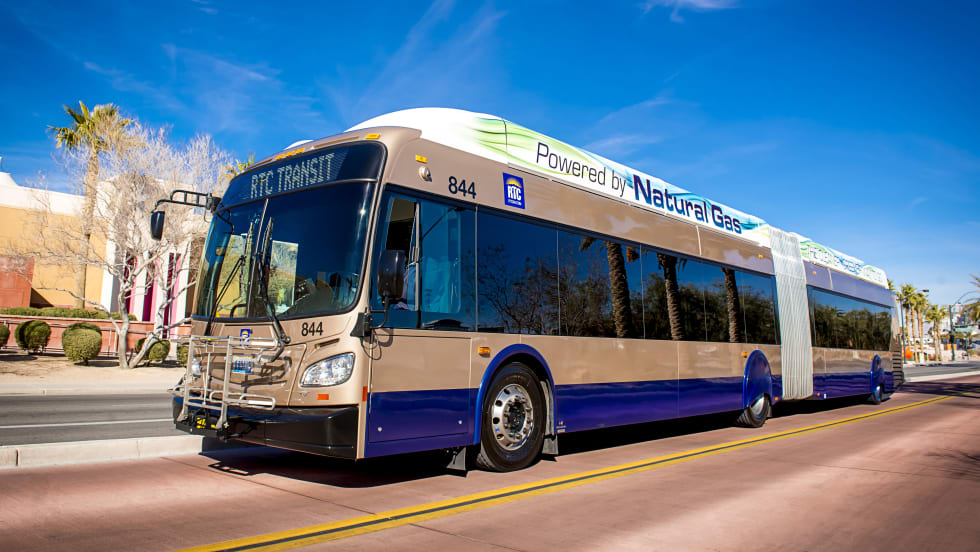
RTC of Southern Nevada Reports 29% Drop in Transit Operator Assaults
The agency credits expanded security measures, employee training, and technology investments for improvements in transit safety, while security officers have responded to 19 suspected overdoses since July.
Read More →
Public Transit Conference Returning to GFX in 2027, Call for Papers Now Open
The Call for Papers is now open, allowing transit agency professionals and industry experts to help shape the PTC educational program by submitting session ideas for consideration.
Read More →
Safe Transit Act Proposes New Security Requirements for Federal Transit Funding
Proposed legislation would link federal transit dollars to safety measures while requiring security investments, onboard cameras, and new fare collection standards.
Read More →
FTA Ends Direct Oversight of MBTA Safety Actions
The federal agency closed its remaining special directive to the Massachusetts Department of Public Utilities following a safety review that began in 2022.
Read More →
Transit Agencies Highlight Safety Gains at National Summit
Leaders from 15 major transit systems shared crime-reduction results and safety initiatives while discussing the role of continued federal support.
Read More →
DART Launches Major Security, Fare Enforcement Initiative
The 90-day demonstration will deploy coordinated security teams at five light rail stations while testing controlled access and gathering data to guide future investments.
Read More →
RTD Launches NextRide App to Consolidate Trip Planning, Fares, Security Reporting
The app expands on RTD’s existing NextRide web application and allows customers to view real-time vehicle locations and service alerts, purchase and store digital fares, and access customer support.
Read More →
TAPTCO Updates OSHA Compliance Training for Transit Maintenance Operations
The revamped program addresses 26 OSHA standards for maintenance facilities, with TAPTCO pointing to training, documentation, and everyday shop hazards as continuing challenges for transit operations.
Read More →