



LAVTA testing driverless vehicles, partners with Uber, Lyft
Plan is intended to reach commuters in neighborhoods big buses cannot serve and solve first and last mile issues to connect people to stations.

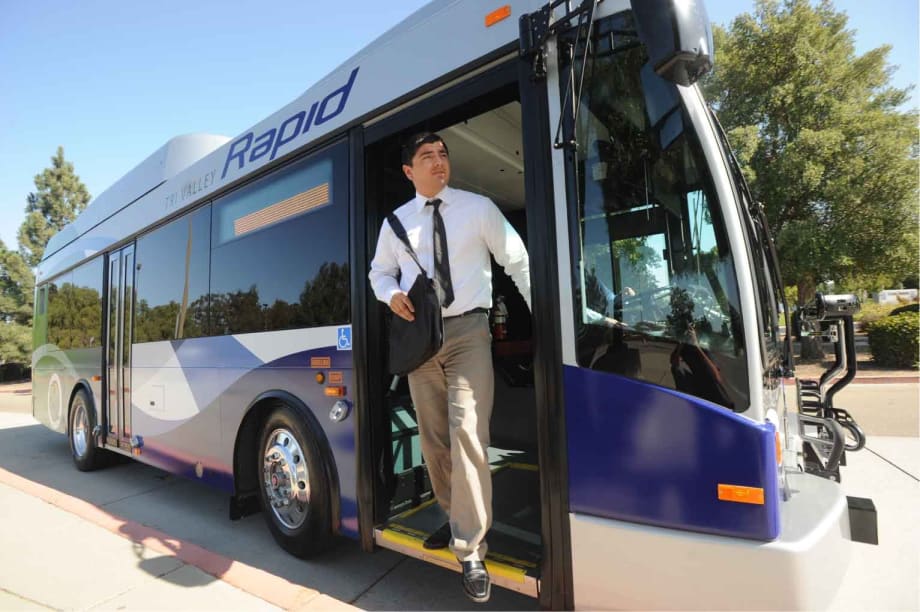
Calif.’s Livermore Amador Valley Transit Authority (LAVTA) approved major changes to its Wheels public transit system, providing more frequent buses and new routes in Livermore, Dublin and Pleasanton. The agency also introduced two innovations: partnering with transportation network companies (TNCs), such as Uber and Lyft, to reach commuters in neighborhoods big buses cannot serve, and exploring driverless shuttles to solve first and last mile issues to connect people to stations.
“These changes feature a dramatic new way of thinking about mass transit,” says Wheels Board Chair Don Biddle. “With these improvements, an additional 6,000 households and 5,000 employees will be within an easy five-minute walk of high-quality, frequent bus service, while areas that cannot support big buses will be served with innovative partnerships and ultimately driverless shuttles. These changes will be a significant catalyst for residents to explore their transportation options.”
To create an easier-to-use, more productive transit system, LAVTA embarked on a year-long planning effort with the Tri-Valley communities. Called Wheels Forward, the planning effort was led by Nelson\Nygaard, an international transportation planning firm. By focusing on making it easier and more convenient for riders, the team restructured Wheels bus service to provide more direct routes to key destinations with buses arriving more often. A major improvement is the addition of the agency’s second route with 15-minute all-day bus frequency that will receive signal priority at intersections for quicker service.
According to Wheels Executive Director Michael Tree, the bus route improvements were designed without an increase to the agency’s budget, which meant trade-offs had to be made, including the elimination of bus service in areas that could not support fixed-route service. In all, almost every route had changes and six bus routes were eliminated in the system redesign.
Other Wheels improvements approved for fiscal year 2017 include the addition of Wi-Fi to Rapid and express buses, the implementation of individualized marketing in target areas of the transit system, the development of a new phone app and website to include integration with TNCs, and a rebranding of Wheels services.
Demonstration Projects
To serve lower-density suburban neighborhoods, LAVTA will test ridesharing service. Customers will receive a discounted rate when they take advantage of Uber, Lyft, or a taxi participating with the transit agency within the project areas.
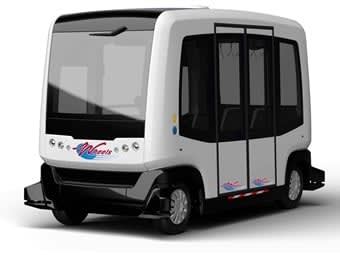
The LAVTA Board also approved and directed staff to seek partners and funding for a near-future driverless shuttle demonstration project in the City of Dublin, which would continue to advance the agency’s focus on improving first and last mile solutions to access public transit.
More New Mobility

From Hardware to Digital Partner: Luminator Charts Its Next Chapter
CEO Magnus Friberg discusses Luminator’s shift toward becoming a digital partner, the growing importance of software and interoperability, and how AI can help agencies improve operations and passenger experience.
Read More →
Biz Briefs: Alstom Lands Canadian Contract, LYT to Supply California TSP, and More
In METRO's latest installment, we take a look at recent news from Complete Coach Works, Beep, FlixBus, and more partnerships making headlines across the transportation sector.
Read More →
CharterUP’s Armir Harris on Technology, AI, and the Future of Group Mobility
In a recent episode of METROspectives, CharterUP Founder/CEO Armir Harris discussed the company’s evolution from an online charter bus marketplace into a technology platform supporting public- and private-sector mobility and much more.
Read More →
Jacksonville’s NAVI Project Charts a New Course for Autonomous Public Transportation
Through its NAVI program, JTA is showing how autonomous vehicles, intelligent infrastructure, and coordinated operations can work together to deliver everyday public transportation.
Read More →
Biz Briefs: Luminator Marks Milestone and More
From manufacturers and suppliers to transit agencies and motorcoach operators, these updates offer a snapshot of the projects, partnerships and business moves driving the industry forward.
Read More →
New Tricks for Old Bureaucracies: Joshua Schank on Making Transit Innovation Stick
Former LA Metro Chief Innovation Officer Joshua Schank discusses why good ideas aren't enough, how transit agencies can overcome resistance to change, and why today's challenges demand more innovation.
Read More →
How DART's GoPass Is Redefining Regional Mobility
Serving 14 transit agencies, GoPass simplifies multimodal travel by allowing riders to plan, pay for, and manage an entire trip through one app.
Read More →
Biz Briefs: OCTA Taps Clean Energy for Hydrogen Station, Stadler to Supply Via Rail Vehicles, and More
From manufacturers and suppliers to transit agencies and motorcoach operators, these updates offer a snapshot of the projects, partnerships and business moves driving the industry forward.
Read More →CharterUP Expands Into New Mobility and Autonomous Transportation
Vice President of New Mobility Stephen Joos discusses how CharterUP is leveraging its nationwide transportation network, technology platform, and autonomous vehicle partnerships to expand into workforce mobility, campus shuttles, and transit solutions.
Read More →
METRO Magazine Announces 2026 Innovative Solutions Awards Winners
Projects Recognized for Advancing Mobility Through Technology, Accessibility, Workforce Innovation, and Operational Excellence
Read More →