



Lightweight Kiel seats continue to attract commuters, save fuel
Eight months into the BusPlus Program, the Massachusetts DOT sees savings and an increase in customer satisfaction.

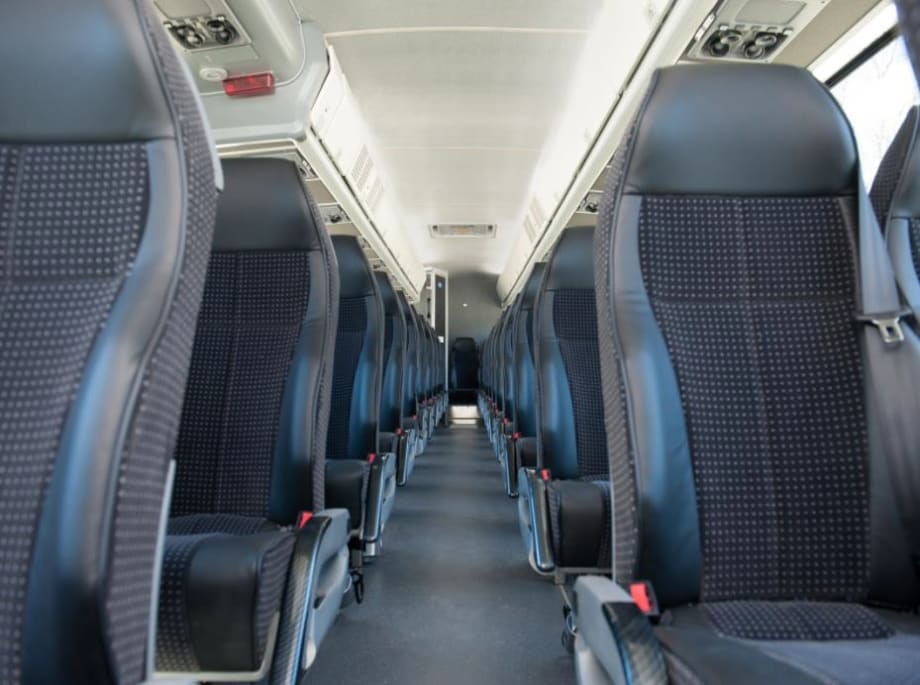

KIEL North America, a trendsetting seat provider to transit systems around the world, supplied seating for 31 commuter coach buses to the Massachusetts Department of Transportation (MassDOT) BusPlus Program starting in November 2013. Now with some buses in their seventh month of operation, MassDOT officials say that the lightweight and ergonomically designed seats have exceeded their expectations.
RELATED:Transit trending toward maintenance-free seating options
After conducting a study among the privately operated bus sector in New England, the MassDOT concluded that besides more reliable service, passenger comfort was a key factor in increasing the attractiveness of regional public transport. Other surveys agree that in many metro areas across the nation commuters are looking for alternatives to long commuting times, rush hours, and traffic jams, but are not willing to sacrifice the comfort and convenience their cars provide.
Accordingly, the MassDOT Bus Plus Program is a unique partnership between public and private transportation entities that aims at providing stellar service and the highest level of convenience for intercity commuters. Seven privately owned New England bus companies received 31 state-of-the-art clean-diesel commuter coaches through the MassDOT BusPlus Program last fall and immediately began to offer additional services and routes.
Each of the 31 buses features 51 Kiel Avance 2050 seats which have been manufactured at the Kiel North American facility in Elkhart, Ind., and are fully Buy America-compliant. The lightweight seats provide the highest standard of comfort combined with a contemporary and ergonomically correct European design, according to the company.
For the passengers’ safety, each seat is equipped with a three-point seatbelt that is FMVSS 210-compliant. The Avance 2050 also includes power outlets so riders can charge their electronic devices, magazine nets, sturdy foot rests and well designed arm rests. Because the advanced design, the seat back profile is more streamlined, therefore dramatically increasing leg room for greater comfort and space to move about the coach.
With a seat pair weight of just 97 lbs., the Avance 2050 is also a fuel saver and will reduce the amount of gasoline needed by about 4%. This equals approximately 260 gallons of diesel per bus per year or an annual savings of over $32,000 for the entire fleet of 31 buses, according to the company. In accordance with the GreenDOT initiative of MassDOT, the reduction in seat weight alone will minimize the CO2 emissions by almost 6,000 lbs. per bus per year compared to heavier standard seats.
More Bus

Finding the ‘Happy Medium’: Optimizing Maintenance Without Sacrificing Reliability
The key to maintenance optimization isn’t doing less work—it’s doing the right work at the right time on the right assets.
Read More →
LA Metro, City of West Hollywood, and Partners Advance Smarter Bus Lane Enforcement
The award-winning partnership combines AI-powered detection with human oversight to improve bus reliability, accessibility, and enforcement efficiency.
Read More →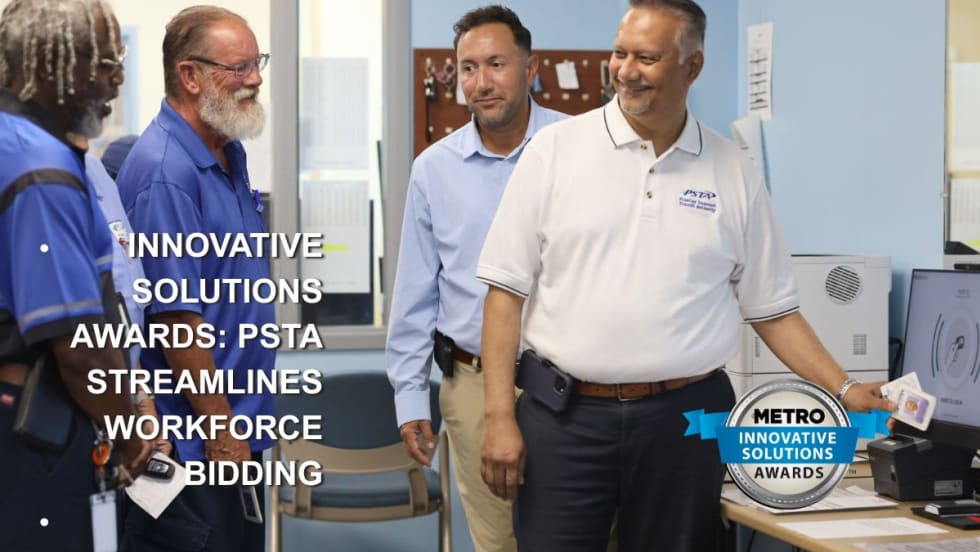
PSTA Modernizes Workforce Management with Digital Bidding System
The award-winning Workforce Transit Modernization project replaced paper bidding with a transparent digital platform, cutting administrative effort while improving access for operators.
Read More →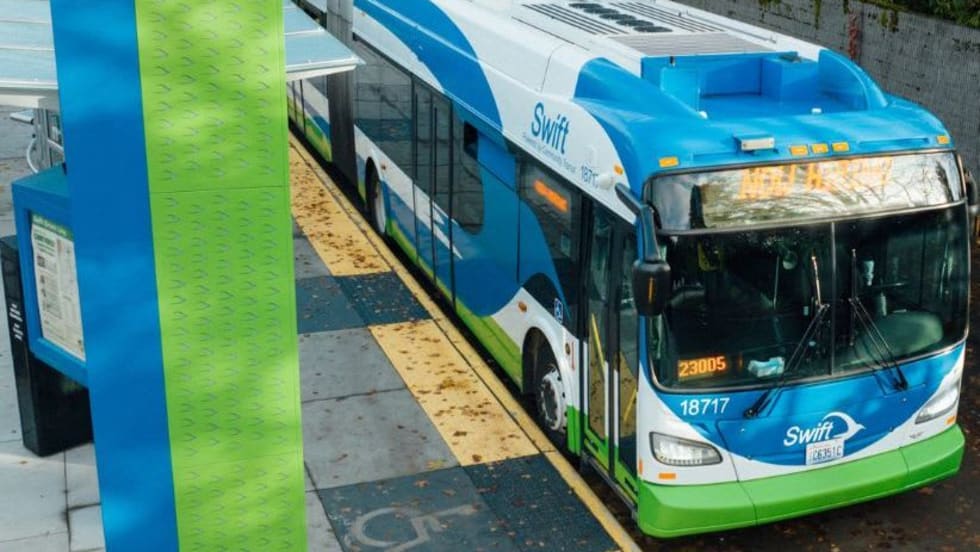
Washington's Community Transit Sets Six-Year Roadmap for Growth, Expansion
Approved TDP targets more bus service, new mobility options, Swift BRT expansion, and a potential Everett Transit annexation.
Read More →
DART Customer Satisfaction Reaches Six-Year High
Overall satisfaction rose to 74.9%, while the agency’s Net Promoter Score reached a record 33.7.
Read More →
How DART's GoPass Is Redefining Regional Mobility
Serving 14 transit agencies, GoPass simplifies multimodal travel by allowing riders to plan, pay for, and manage an entire trip through one app.
Read More →
Biz Briefs: OCTA Taps Clean Energy for Hydrogen Station, Stadler to Supply Via Rail Vehicles, and More
From manufacturers and suppliers to transit agencies and motorcoach operators, these updates offer a snapshot of the projects, partnerships and business moves driving the industry forward.
Read More →
METRO Magazine Announces 2026 Innovative Solutions Awards Winners
Projects Recognized for Advancing Mobility Through Technology, Accessibility, Workforce Innovation, and Operational Excellence
Read More →
Biz Briefs: STV teams with Amtrak, Motorcoach Operators Boost Fleet and Land Contracts, and More
From manufacturers and suppliers to transit agencies and motorcoach operators, these updates offer a snapshot of the projects, partnerships and business moves driving the industry forward.
Read More →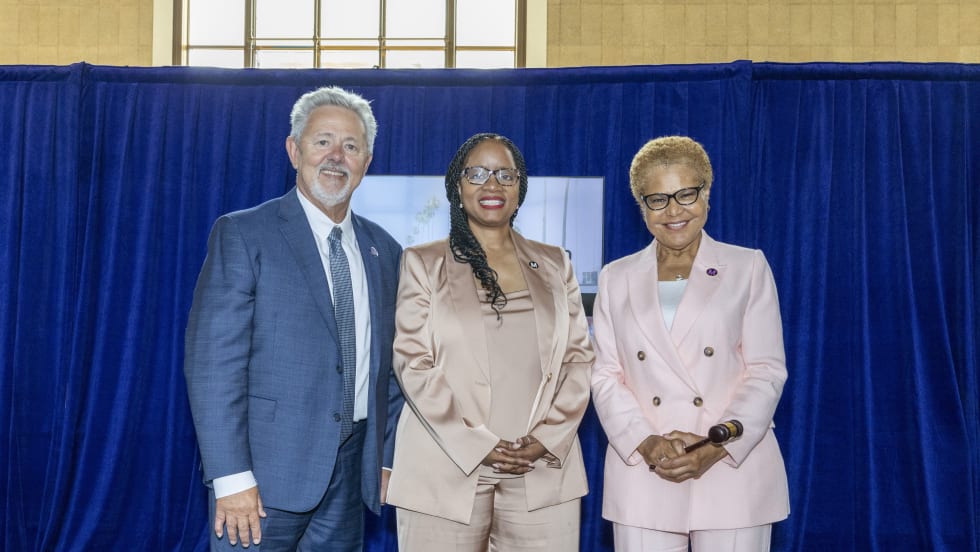
LA Metro Marks Banner Year, Sets Ambitious Goals for New Fiscal Year
Incoming LA Metro Board Chair and Los Angeles Mayor Karen Bass joined outgoing Board Chair Fernando Dutra and LA Metro CEO Stephanie Wiggins to review accomplishments from fiscal year 2026, which included the opening of new rail extensions, advancement of major transit projects, expanded safety programs, and new rider amenities.
Read More →