



Long Island adds sedans to paratransit fleet
Switch could possibly save LI Bus millions of dollars, with the cost of a Crown Victoria coming in at approximately $22,000 compared to about $100,000 for a paratransit bus.

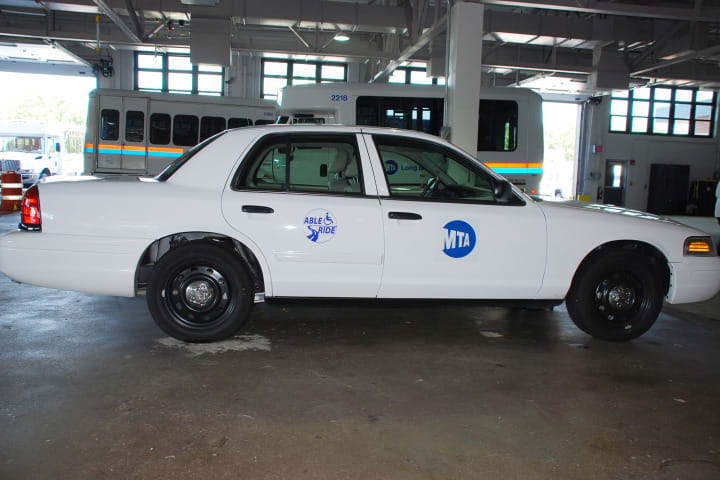
[IMAGE]Crown.jpg[/IMAGE]To help cut costs, the Metropolitan Transportation Authority's (MTA) Long Island Bus (LI Bus) plans on replacing half of its Able-Ride paratransit fleet wheelchair-lift-equipped buses with sedans.
"Prior to scheduling software, many companies were worried they would send the wrong vehicle, especially to those customers that are wheelchair users or needed a lift," explains Tom Charles, vice president, MTA's paratransit division, about the switch. "Now, scheduling software has improved, so you are pretty much assured of how to get the right vehicle to the right population."
Charles adds that LI Bus believes the switch to sedans - at this point the Ford Crown Victoria - are possible since a higher percentage of its customer base are ambulatory and, therefore, have no need for the lift-equipped vehicles. He says, in actuality, about 25 percent of Able-Ride's customers need the larger lift-equipped buses.
The switch could possibly save the LI Bus millions of dollars, with the cost of a Crown Victoria coming in at approximately $22,000 compared to about $100,000 for a paratransit bus. Through a combination of growth and replacement, Charles says that LI Bus hopes to have a 50-50 mix of sedans and buses in its 93 vehicle fleet by 2013.
The agency chose the Crown Victoria for its space and legroom, which enables Able-Ride to potentially transport three customers in back and one in the front. One problem, however, is that Ford will potentially cease production of the vehicles, which are also frequently used by police department and taxi companies, after 2010.
Charles says that the agency is already looking at alternatives.
"We're looking at another vehicle that is coming to market," he says. "It is what's called a purpose built accessible vehicle and, instead of a lift, it has a ramp and two wheelchair positions."
The vehicle manufacturers have identified three markets: paratransit, taxi and personal use, Charles explains, and will offer CNG as an alternative fuel source, enabling LI Bus and MTA to make their fleets greener. Vehicle production is set to begin in spring 2010.
To this point, feedback from Able-Ride's ridership, which serves Nassau and Suffolk counties as well as the outskirts of Queens, has been positive.
"Since we first introduced them, usually what's been happening is our customers ask for the sedans," Charles says. "Unfortunately, we can't do that and they have to accept the vehicle we send them, but they do prefer the sedan ride."
LI Bus plans to survey its riders to continually monitor their feelings on the sedans, and the system itself, in the future. It will also continue searching for another vehicle that will suit the service well and provide a better "greening opportunity."
More Paratransit

Driving Smarter Paratransit
John Hanlon shares how AlphaRoute is leveraging AI-powered technology to help paratransit providers optimize operations, support frontline staff, and enhance the rider experience.
Read More →
People Movement: Dan Dipert Coaches Adds Third-Generation Leader, Keolis Names New Valley Metro VP/GM, and More
In this edition, we also cover recent appointments and announcements at the Wabtec, SilverRide, HNTB, and more, showcasing the individuals helping to shape the future of transportation.
Read More →
Biz Briefs: RIPTA Unveils New Frontrunners, Clevland RTA Adds New Siemens, and More
In METRO's latest installment, we take a look at recent news from Siemens, Prevost, Dodge, and more partnerships making headlines across the transportation sector.
Read More →
King County Metro Makes ADA Paratransit Easier to Navigate
METRO's Innovative Solutions Award winner replaces complex service-area descriptions with an accessible, interactive map that puts paratransit information directly in customers’ hands.
Read More →
Jacksonville’s NAVI Project Charts a New Course for Autonomous Public Transportation
Through its NAVI program, JTA is showing how autonomous vehicles, intelligent infrastructure, and coordinated operations can work together to deliver everyday public transportation.
Read More →
Driving Smarter Paratransit
John Hanlon shares how AlphaRoute is leveraging AI-powered technology to help paratransit providers optimize operations, support frontline staff, and enhance the rider experience.
Read More →
METRO Magazine Announces 2026 Innovative Solutions Awards Winners
Projects Recognized for Advancing Mobility Through Technology, Accessibility, Workforce Innovation, and Operational Excellence
Read More →
Biz Briefs: STV teams with Amtrak, Motorcoach Operators Boost Fleet and Land Contracts, and More
From manufacturers and suppliers to transit agencies and motorcoach operators, these updates offer a snapshot of the projects, partnerships and business moves driving the industry forward.
Read More →
Biz Briefs: Masabi Teams with St. Louis Metro and More
In METRO's latest installment, we take a look at recent news from Transdev, Hitachi, and more partnerships making headlines across the transportation sector.
Read More →
New York MTA Leverages Zoning Program to Advance Station Accessibility
Accessibility enhancements at Nevins St Station will be financed through a development agreement tied to the MTA's Zoning for Accessibility initiative.
Read More →