



MBTA Approves $850M in Funding to Enhance Safety, Reliability
The funding, stemming from a state transportation fund, will improve safety and reliability across the MBTA system.

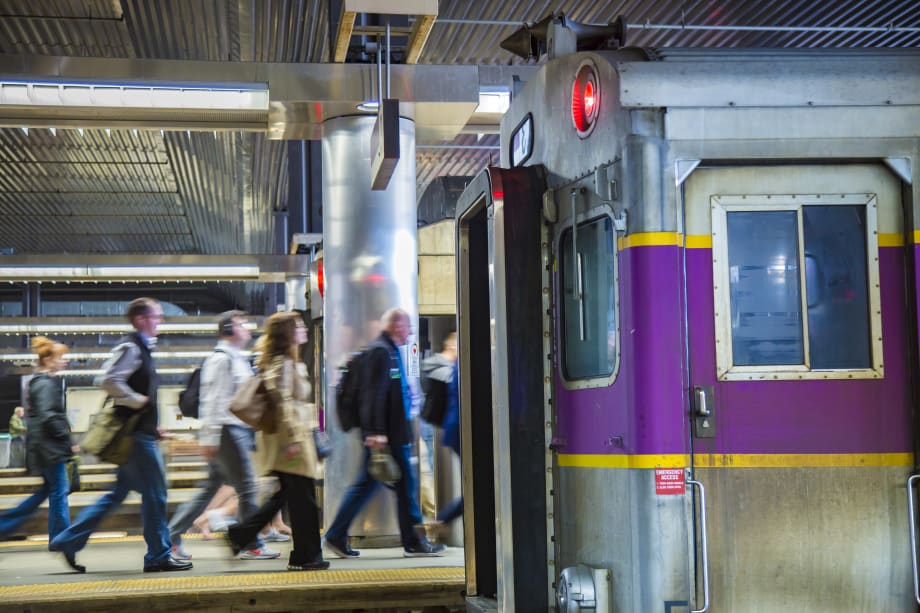
The funding supports the ongoing procurement of new Commuter Rail locomotives, ensuring the replacement of the oldest vehicles in the fleet and maintaining service reliability.
Photo: Keolis
Boston MBTA’s board approved the receipt of $850 million in Commonwealth Transportation Fund (CTF)-funded bond capacity to the MBTA from a crucial Interdepartmental Service Agreement (ISA) with MassDOT.
The funding, stemming from a state transportation fund, will improve safety and reliability across the MBTA system. It will cover major projects and add new funding to the Rail Reliability Program (RRP) to support significant, long-term investments, such as repairs and upgrades, in the MBTA's capital projects and core infrastructure.
The MassDOT board approved the ISA last week. This funding was proposed by Governor Maura Healey and passed by the Legislature.
“The MBTA has been making significant progress to improve safety and reliability across the system, and this funding will help them continue this essential work,” said Gov. Healey. “Together with the Legislature, we are making sure that the T has a balanced budget and the resources it needs to deliver the world-class service that the people of Massachusetts deserve.”
Investing in Mass(Massachusetts) Transit
The investment marks the second time the MBTA has used revenue from the state “Fair Share” tax to fund critical projects. The dedicated Fair Share revenue provides the Commonwealth with greater borrowing capacity for the CTF, thereby increasing financial flexibility to support capital projects across the state.
The funding will help the MBTA continue improving service, complete capital projects, and ensure reliability for travelers and riders across the system.
This funding directly supports both new CIP objectives and the MBTA's ongoing focus on these four core areas:
Safety: Investing in new technology and infrastructure to make the T safe for everyone. This also means upgrading critical systems that are over 100 years old, such as the Green Line signal system, and replacing old vehicles when needed to ensure riders and employees are secure.
Reliability and Modernization: Fixing old equipment and upgrading the system by, for example, replacing the MBTA's oldest locomotives and beginning construction of new, permanent maintenance facilities, like the Arborway Bus Facility and the Widett Layover Facility. These projects directly modernize MBTA operations so the T can run more reliable, on-time service.
Accessibility: Ensuring all riders can easily use the T, including ensuring stations are built with platform heights that allow level boarding so passengers can walk straight onto the train without a gap or step.
Sustainability and Resilience: The investment is designed to address the most critical repairs needed right now, advance modernization to enable the system to withstand the impacts of climate change, and ensure it is durable and resilient.
“This $850 million agreement, made possible by the Healey-Driscoll Administration and Fair Share revenue, will provide the critical support and infrastructure needed toward delivering vital projects to serve the public better,” said Interim MassDOT Secretary and MBTA GM Phillip Eng. “We are committed to ensuring we deliver meaningful projects on time and on budget, ensuring safety, improving accessibility and reliability, and delivering a mass transit system for generations to come.”
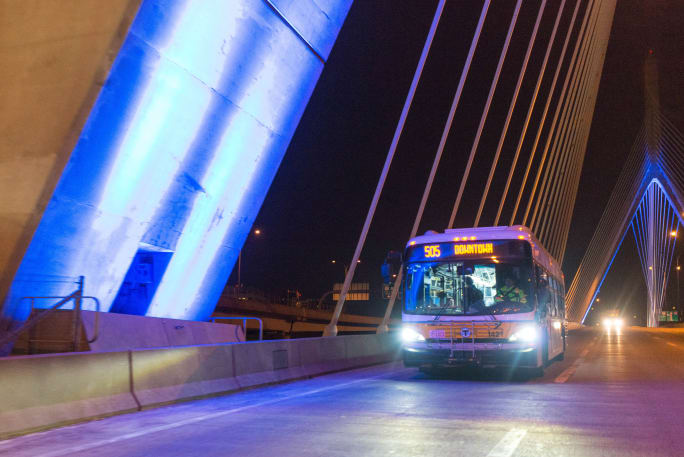
The investment marks the second time the MBTA has used revenue from the state “Fair Share” tax to fund critical projects.
Photo: BAE/MBTA
Capital Projects of Focus
The $850 million allocation from the Commonwealth Transportation Fund is currently planned for four specific, critical capital projects focused on core infrastructure, vehicle modernization, and climate resilience:
Arborway Battery Electric Bus Maintenance Facility: This significant investment will replace the existing temporary bus maintenance facility with a new, permanent campus. The goal is to design a facility capable of storing and maintaining approximately 200 battery-electric buses (BEBs) to support the transition to zero-emission technology and meet the 2022 Massachusetts Climate Law requirements. The project includes a 75,000-square-foot maintenance building, a 15,000-square-foot service/wash building, and an open-air yard for bus storage and charging.
Green Line Infrastructure Projects: This group of investments will help fund necessary infrastructure to accommodate the new Green Line Type 10 vehicles and support the Federal Transit Administration's Capital Investment Grant Core Capacity Program. Improvements include power upgrades, modernization of the 100-year-old signal system, track reconfiguration, and modifications to all four maintenance facilities. These upgrades will result in higher capacity, increased frequencies, and full level-boarding at stations to support passenger mobility.
Widett Regional Rail Layover Facility - Phase 1: This initial phase is an early-action package to prepare the 24-acre site for a regional rail layover facility. Phase 1 includes complete demolition and environmental remediation of existing structures, geotechnical work, and elevating the site by 5 feet to meet the future climate-resilient Design Flood Elevation. Crucially, this phase will support the design and construction of a six-track electrified layover facility to support Battery Electric Multiple Units (BEMUs), enabling the new fully electrified service on the Fairmount line by 2028.
Locomotive Procurement: This funding supports the ongoing procurement of new Commuter Rail locomotives, ensuring the replacement of the oldest vehicles in the fleet and maintaining service reliability.
This critical funding through the RRP program directly reinforces the MBTA's unwavering commitment to safety, reliability, and modernization.
The Authority has prioritized tackling decades-old, deferred maintenance and addressing asset needs to deliver the consistent service riders deserve. The investments in new vehicles and track upgrades will improve service reliability, while the focus on accessibility and resiliency will ensure the system is safer and more equitable for riders.
More Management

METRO Opens Submissions for 2026 Motorcoach Awards
Nominations are now being accepted for METRO Magazine’s Operator of the Year and Innovative Operator of the Year awards.
Read More →
New York MTA Advances Final Contract for Second Avenue Subway Expansion
Contract Four is the largest in the Second Avenue Subway Phase 2 project and includes construction of station infrastructure, tracks, and signals for the subway expansion, MTA officials said. Work on Contract Four will begin in 2027.
Read More →
Transit Agencies Highlight Safety Gains at National Summit
Leaders from 15 major transit systems shared crime-reduction results and safety initiatives while discussing the role of continued federal support.
Read More →

NITA Names New Leadership, Expands Reduced-Fare Program at First Board Meeting
The new regional transit authority appointed its first board chair and interim executive director while extending reduced fares across CTA, Metra, and Pace for eligible riders.
Read More →
Beyond the Checklist: A Structured Approach to Transit Maintenance
Reliability-Centered Maintenance helps transit agencies move beyond routine checklists to focus limited resources on the assets and failures that have the greatest impact on safety, reliability, and service.
Read More →
APTA 2026 Nominating Committee Selects Leadership Slate, Names Chair and Vice Chair Nominees
Leadership changes will help shape the association’s priorities and its representation of the transportation industry during the 2026–2027 term.
Read More →
DART Launches Major Security, Fare Enforcement Initiative
The 90-day demonstration will deploy coordinated security teams at five light rail stations while testing controlled access and gathering data to guide future investments.
Read More →
Advancing Fare Collection Through Technology and Innovation
Learn about delivering 1300 gates at 91 stations while managing fare evasion. Explore the large scale deployment, solution customization and real-world results that affect the region. Prepare for deployment in your region now.
Read More →
Game Day in Motion: Moving Millions During the 2026 World Cup
Between packed transit stations and team motorcoaches, see how agencies and operators across North America tackled the transportation demands of the 2026 FIFA World Cup.
Read More →
Surface Transportation Extension Averts Shutdown, Leaves Transit Funding Gap
The stopgap keeps federal transportation programs moving, but missing advance funding could complicate the transit and rail projects agencies are planning next.
Read More →