



How MBTA Uses Podcasting to Build Trust
In this conversation from a recent episode of METROspectives, Andrew Cassidy, Senior Director of Digital Strategy and Engagement, discusses how the podcast came to be, the challenges of building it with a small team, and why it resonates with riders and employees alike.

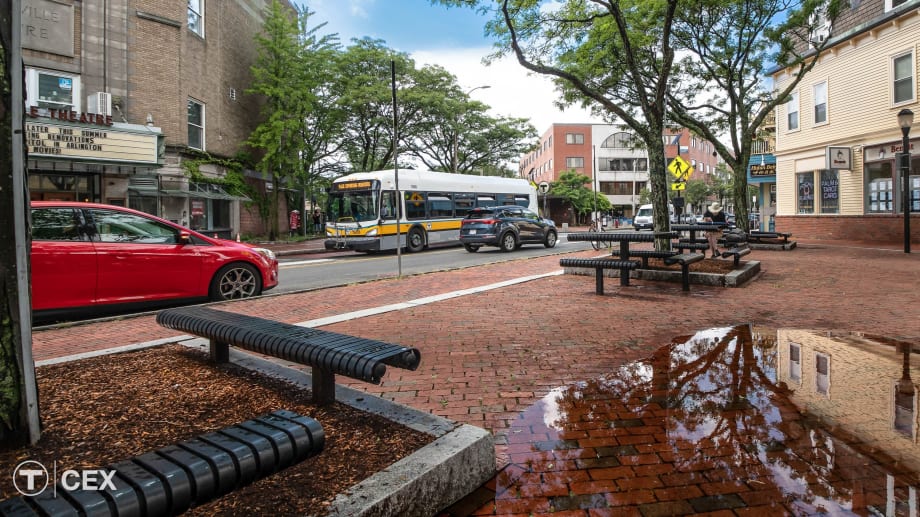
MBTA is pairing frontline service with new storytelling strategies to strengthen rider trust.
Photo: MBTA
- Andrew Cassidy, Senior Director of Digital Strategy and Engagement, discusses the inception of the MBTA podcast on METROspectives.
- The podcast was created with limited resources, highlighting the challenges faced by a small team.
- The podcast successfully connects with both riders and employees, fostering a sense of trust.
*Summarized by AI
As public transit agencies seek new ways to build trust and connect with their riders, the Massachusetts Bay Transportation Authority (MBTA) is turning to a modern solution: podcasting.
Andrew Cassidy, Senior Director of Digital Strategy and Engagement at the MBTA, helped launch Spilling the T, a long-form audio series that pulls back the curtain on agency operations, decision-making, and the people behind the service.
The podcast has garnered industry acclaim, including an APTA AdWheel Award, and has become a vital tool in the MBTA’s broader strategy for transparency and customer engagement.
In this conversation from a recent episode of METROspectives, Cassidy discusses how the podcast came to be, the challenges of building it with a small team, and why it resonates with riders and employees alike.
Why Not A Podcast?
With some exciting news, MBTA recently won an AdWheel Award for Spilling the T. It’s a great name. Why did you start the podcast, and what were your goals?
The idea started shortly after I joined the MBTA in 2019. At the time, transparency was a primary focus. We wanted a way to tell our story more directly to riders. Traditional media often distills or reshapes our messaging, so we launched a transparency initiative on social media. But character limits only let you say so much. That’s when we thought, why not a podcast? It would allow us to delve deeper, explain things more clearly, and hopefully rebuild trust.
That resonates. We launched METROspectives during the pandemic to give industry voices a platform to discuss the issues more fully. What kind of feedback did you get, and how did you grow your listenership?
At first, there was understandable skepticism. People were frustrated with the system and didn't trust us. Some would say, ‘Stop making podcasts and fix the trains.’
However, over time, sentiment began to improve as people listened and gained a better understanding of what was happening behind the scenes. Initially, it was mostly word of mouth. We promoted it through social posts and digital signage in stations. We even had someone speak at a public meeting saying we should encourage the podcast more because it’s one of the few places where you get detailed, valuable insight into the MBTA.
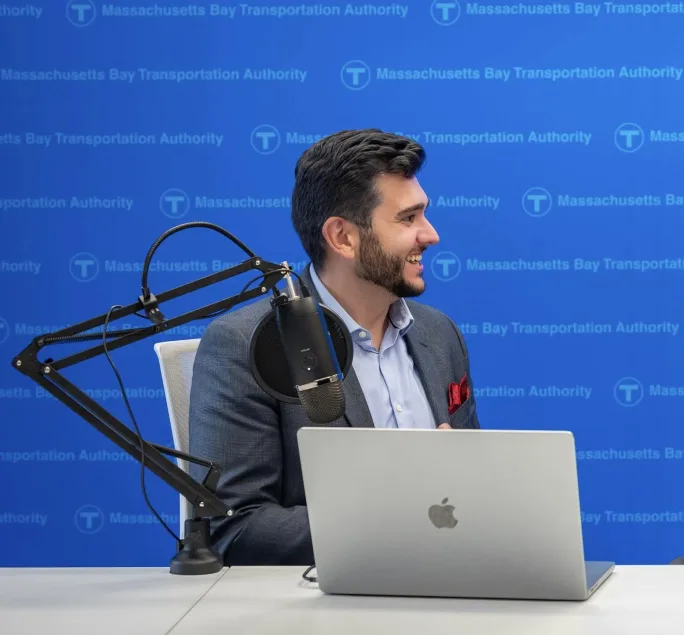
Andrew Cassidy, Senior Director of Digital Strategy and Engagement at the MBTA, helped launch Spilling the T, a long-form audio series that pulls back the curtain on agency operations, decision-making, and the people behind the service.
Photo: MBTA
Social Media and Public Transit
You also oversee social media. How much does customer feedback shape your podcast topics?
A lot. Social media provides us with a direct line to rider sentiment, and we utilize social listening to track key themes and concerns. That’s a big part of how we plan episodes.
Initially, we recorded a few episodes in advance, but that didn’t work well. For instance, we had an episode about hiring challenges, but after we raised salaries and filled roles quickly, that episode became obsolete. Now, we’re much more real-time. It’s more challenging but much more relevant.
What’s your view on social media's role in public transit communications?
Social media lets us humanize the agency. We’re not just a logo. We’re real people — engineers, operators, communicators — working to serve the public. Social media helps us tell those stories, acknowledge our faults, and share our progress. It’s about owning the narrative and showing that improvement is a journey.
What it Took to Get Spilling the T Going
Let’s talk about logistics. What background and resources did you bring to launching the podcast, and what hurdles did you encounter?
Like most good ideas, the hard part was execution. Our digital strategy team is small, just me and two full-time employees. They already handled all video, social content, and community management. So I asked them first before going to leadership. They agreed to help, even though it meant more work. We had no dedicated space or big-budget gear, but we made it happen. It wouldn’t have been possible without internal buy-in.
And how easy was it to get people to participate once it got going?
At first, people were hesitant. Even without cameras, some were nervous about getting in front of the mic. We started strong with our General Manager, Phil Eng, and then had the Secretary of Transportation, Monica Tibbits-Nutt. That helped legitimize the effort. It’s the opposite now; people pitch me to be on the show. It’s become a kind of badge of honor, in a way.
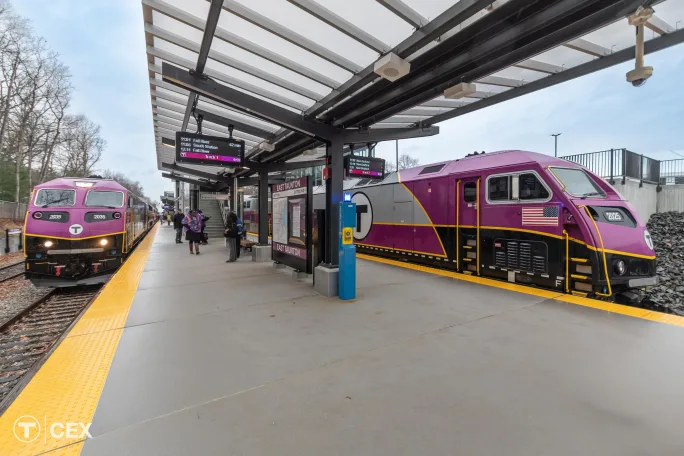
MBTA railcars lined up in Boston. The agency’s new storytelling efforts, including its podcast Spilling the T, aim to rebuild trust with riders.
Photo: MBTA
On Winning an APTA Award, the Future
Winning the AdWheel Award — what kind of impact has that had?
It was great validation, especially coming from peers across the industry. It means a lot, considering we’re a small team with limited equipment. It’s reassuring to know that our storytelling has an impact, and although the award isn’t the ultimate goal, it motivates us to keep going. We’re here to inform our riders; the award shows we’re on the right path.
How does this all fit into the MBTA’s broader customer success strategy?
It’s one part of a multi-pronged effort. We have design teams creating signage, outreach teams holding community events, surveys to collect feedback, and paid ads to reach people digitally. The podcast complements all that by giving us a chance to explain what’s happening and why. It enables us to provide real-time, direct communication in a format that people can trust and revisit.
So what’s next for Spilling the T?
Growing our listenership is always a goal. We’re looking to expand our messaging through DOT-owned billboards and MBTA space. Regarding content, we initially focused on MBTA leadership, but we’re now expanding the scope. We recently had a state senator on, and we’re bringing on a public advocate next. I’d like to include more riders and frontline staff to broaden the perspectives and keep it fresh.
Do you have any final thoughts or advice for peers considering something like this?
My advice is, if you think it can add value, start. It will be work, but it doesn’t have to be perfect from the start. Listen to the first episode of any successful podcast, and then to their latest; the growth is always significant. The same can happen to you. The key is to keep going. I enjoy it. I learn something every time, and it helps me understand my agency better. That’s a win.
This article, generated using OpenAI, was edited for accuracy and style and based on an episode of METROspectives
Quick Answers
The MBTA's podcast aims to build trust among riders and employees by providing transparent communication and insights into operations and strategies.
*Summarized by AI
More Management
7 Ways to Build a Better Transit Internship
Lessons from DRPA/PATCO’s approach to creating a meaningful internship experience—and developing the next generation of transportation professionals.
Read More →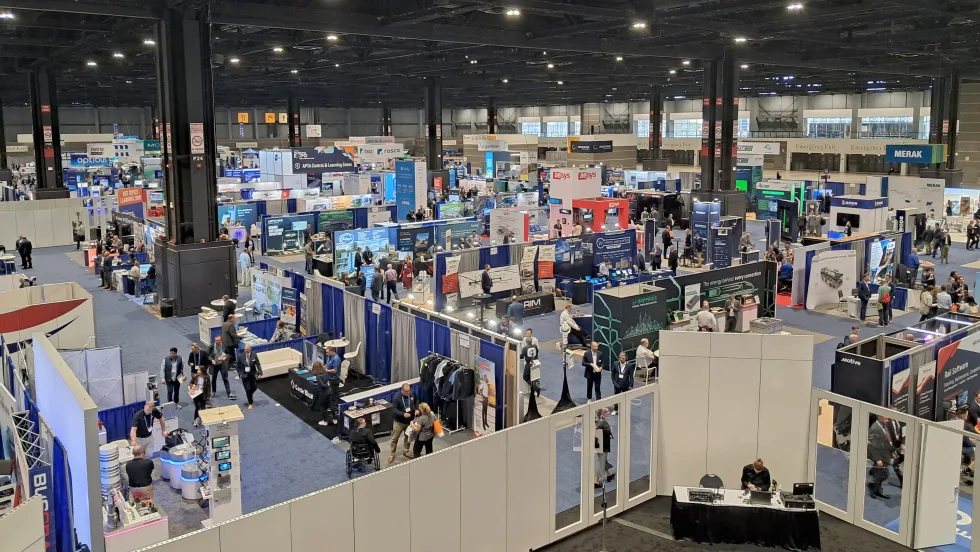
Scenes from APTA TRANSform & EXPO 2026
Transit leaders, manufacturers, and industry professionals gathered in Chicago to explore new technologies, share ideas, and discuss the future of public transportation.
Read More →
Building Stronger Leaders, More Resilient Transit Teams
Dr. Carol Parker Walsh discusses leadership development, employee retention, workplace culture, and preparing transit’s workforce for AI and automation.
Read More →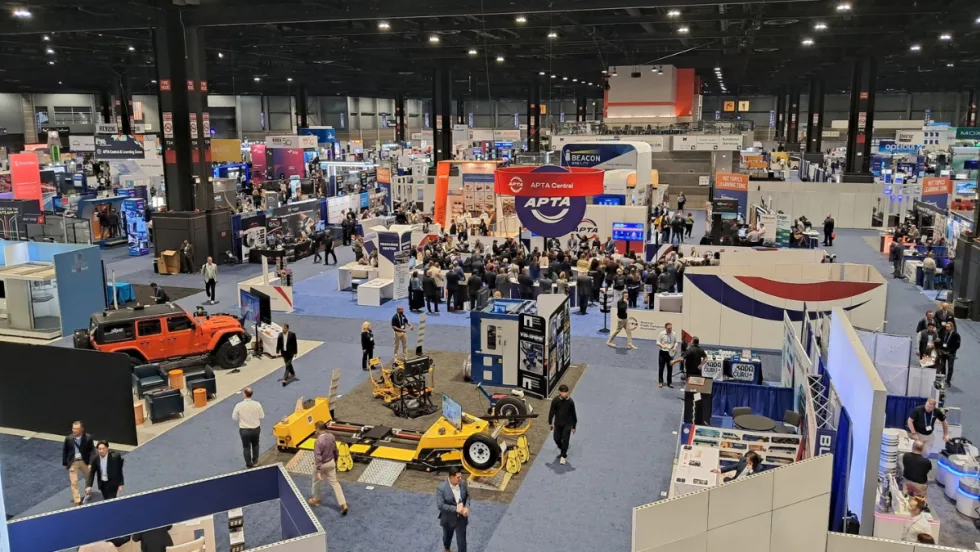
APTA 2026 TRANSform & EXPO Kicks Off in Chicago
After 45 years, APTA returns to Chicago with a focus on next-generation fleets, AI, connected transit networks, and the funding strategies shaping public transportation’s future.
Read More →
New York MTA Warns Federal Tariffs Could Add $1 Billion to Rolling Stock Costs
The agency said tariffs on specialized imported components could reduce the purchasing power of its $23 billion investment in new subway cars, railcars, and buses.
Read More →
From the Show Floor: What Happened at APTA TRANSform & EXPO 2026
See the latest product launches, partnerships, technology updates, and transit industry announcements from APTA TRANSform & EXPO in Chicago.
Read More →
How Valley Metro Is Balancing Transit Growth With the Rider Experience
The APTA award-winning agency is pairing rapid system expansion with investments in workforce, safety, technology, and the fundamentals of transit service.
Read More →
Bus Tech Talk: Keeping Transit Technicians Ahead of the Technology Curve
In this episode of Bus Tech Talk, Complete Coach Works’ Business Development Manager Mark Hollenbeck and METRO’s Executive Editor Alex Roman sit down with Obed Mejia, Senior Technical Trainer for Bus Maintenance, at LA Metro to discuss how rapidly evolving bus technology is changing the maintenance shop — and the skills technicians need to keep pace.
Read More →
Michael Schneider Joins Paslay Group to Expand Transportation Practice
The longtime transportation executive will help Paslay Group grow its advisory and program management work across transit, highway, and other infrastructure sectors.
Read More →
People Movement: Connectpoint Expands Leadership Team, Stadler Names New Group CEO, and More
In this edition, we also spotlight recent personnel moves at Burns, UZURV, and more, highlighting the people taking on new roles across the transportation industry.
Read More →