




All Aboard: Metro Transit Names Dake COO, Maintenance
St. Louis Metro Notes Progress for Safer Transit System
Metro Transit released its "MetroLink Task Force Incident Report for Quarter 2 (April – June 2022)."
September 12, 2022
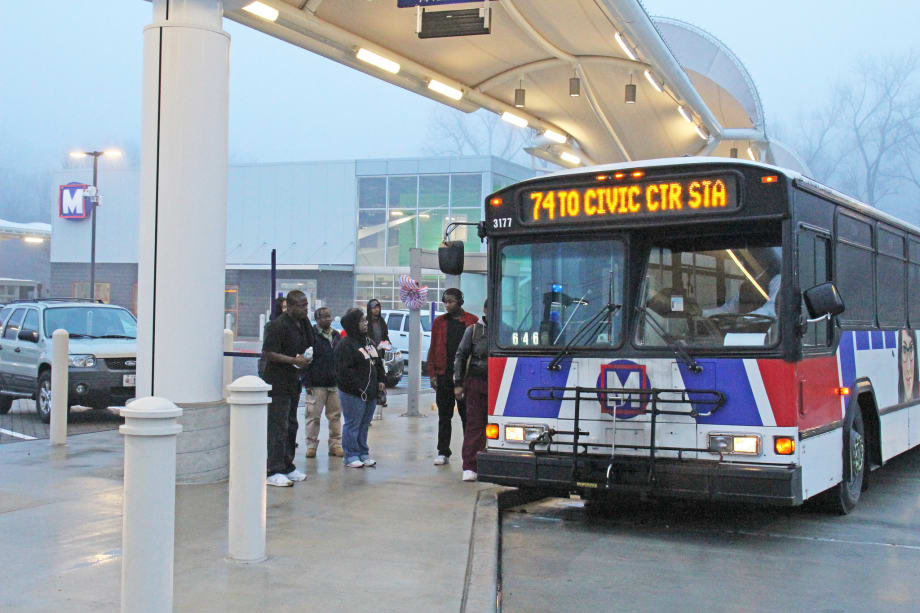
MetroLink boardings increased 26% from Quarter 2 of 2021 to Quarter 2 of 2022 as people returned to work, school, and recreational activities.
Credit:
St. Louis Metro
3 min to read
According to Metro Transit's latest release, operators of the agency's system and its law enforcement and contracted security partners reported progress in the first half of 2022 in their efforts to establish a safer transit environment for riders in the St. Louis region.
The recent release of the MetroLink Task Force Incident Report for Quarter 2 (April – June 2022) underscores how an improved security presence across the system creates more proactive approach to policing, according to Metro Transit. The approach is resulting in an increased number of incidents being addressed and demonstrates that crime will not be tolerated on the MetroLink system.
According to the survey, MetroLink boardings increased 26% from Quarter 2 of 2021 to Quarter 2 of 2022 as people returned to work, school, and recreational activities that were cancelled or held virtually previously because of the COVID-19 pandemic.
A total of 177 incidents were reported, up from 160 in Quarter 1. Incidents per MetroLink boardings during Quarter 2 were 10 per 100,000 boardings (.0001). The majority (71%) of the incident reports in Quarter 2 2022 were self-initiated and generated by proactive policing. That is up from 66% for all of 2021, according to Metro Transit.
A large number of the incidents were for standard of conduct (62%); followed by violent crime (34%), and property crime (4%). Weapon violations accounted for 44% of the violent offense types and were likely the result of proactive crime-fighting initiatives targeting known “hot-spots," accoridng to the release.
“The effectiveness of the security measures and collaboration we have put into place over the last two-plus years is evident throughout our latest incident report. Incidents are up, but that is 100 percent attributable to the proactive work of our law enforcement partners,” said Kevin Scott, GM of security at Bi-State Development.
Bi-State Development operates the Metro Transit public transportation system for the St. Louis region.
Over the last two years, Metro Transit said it has worked with its law enforcement partners to increase the number of secondary officers available to assist full-time police officers and deputies as well as Metro Transit Security Specialists and contracted Allied Universal (formerly G4S) security officers assigned to MetroLink. Metro Transit has secondary agreements with the St. Louis County Police Department, the St. Clair County Sheriff’s Department, the Metropolitan St. Louis Police Department, the City of St. Louis Sheriff’s Office, and the Normandy Police Department, according to the agency.
“The foundation for continued progress is the collaboration between Metro Transit and its dedicated partners in our shared quest to rebuild ridership and regain the region’s confidence in this essential regional asset,” said Taulby Roach, Bi-State Development president/CEO. “We will continue to collaborate with our law enforcement partners and contracted security teams, and tweak the different measures we have in place to help ensure that the positive trends continue.”
Security will be further bolstered after gated entrances are added to all 38 MetroLink stations on the light rail system as part of a $52 million Secure Platform Plan, according to Metro Transit. More than $10 million in private funding has been committed to the project, which also has the support of the St. Louis Mayor Tishaura Jones, St. Louis County Executive Sam Page, and St. Clair County Board Chairman Mark Kern. All three local government entities help fund Metro Transit operations. HNTB was selected to design the new access gates. Once construction gets underway next fall, it is expected to take 24 to 30 months to complete the project.
More Security and Safety
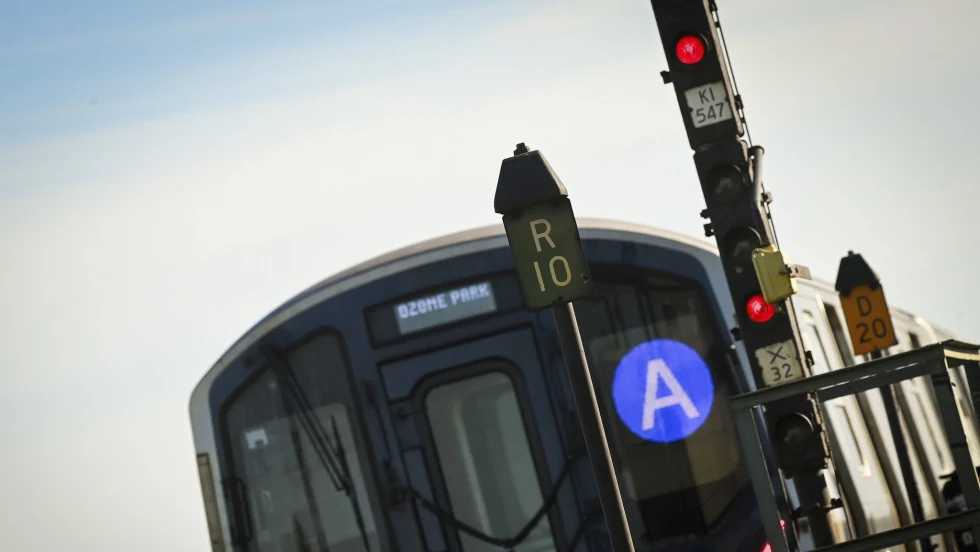
New York MTA Launches Historic $1.9B Signal, Track Modernization Project
Funded in part by congestion pricing revenue, the project will replace nearly century-old signals along the A and C lines in Brooklyn and Queens.
Read More →
CSA Group Releases Climate Resilience Standard for Transit, Passenger Rail
Developed with support from the Standards Council of Canada, CSA D700 guides assessing climate-related risks and planning adaptation measures for transit and passenger rail systems.
Read More →
San Diego MTS Approves New Fare Evasion Penalty Program
The new administrative process will move eligible violations out of the criminal court system, cap penalties at $125, and provide flexible payment options for riders.
Read More →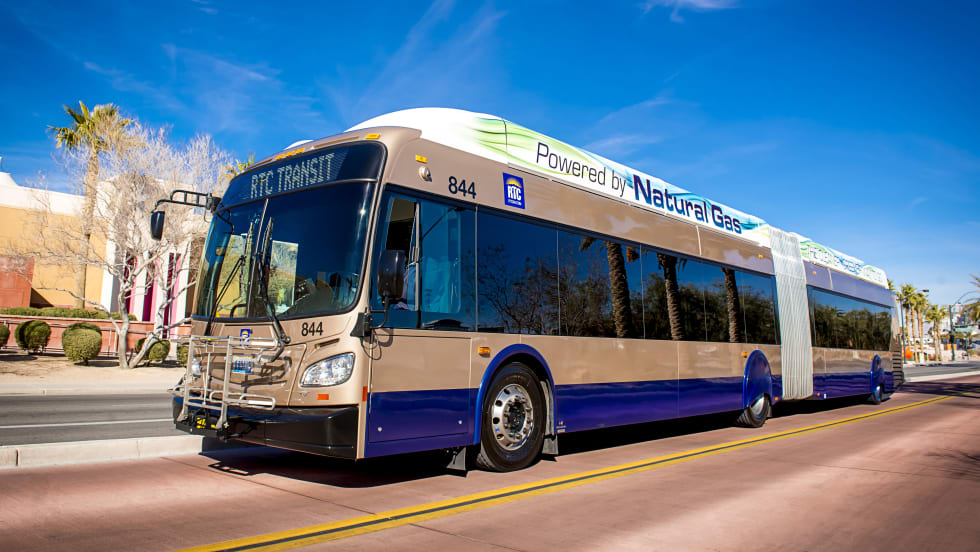
RTC of Southern Nevada Reports 29% Drop in Transit Operator Assaults
The agency credits expanded security measures, employee training, and technology investments for improvements in transit safety, while security officers have responded to 19 suspected overdoses since July.
Read More →
Public Transit Conference Returning to GFX in 2027, Call for Papers Now Open
The Call for Papers is now open, allowing transit agency professionals and industry experts to help shape the PTC educational program by submitting session ideas for consideration.
Read More →
Safe Transit Act Proposes New Security Requirements for Federal Transit Funding
Proposed legislation would link federal transit dollars to safety measures while requiring security investments, onboard cameras, and new fare collection standards.
Read More →
FTA Ends Direct Oversight of MBTA Safety Actions
The federal agency closed its remaining special directive to the Massachusetts Department of Public Utilities following a safety review that began in 2022.
Read More →
Transit Agencies Highlight Safety Gains at National Summit
Leaders from 15 major transit systems shared crime-reduction results and safety initiatives while discussing the role of continued federal support.
Read More →
DART Launches Major Security, Fare Enforcement Initiative
The 90-day demonstration will deploy coordinated security teams at five light rail stations while testing controlled access and gathering data to guide future investments.
Read More →
RTD Launches NextRide App to Consolidate Trip Planning, Fares, Security Reporting
The app expands on RTD’s existing NextRide web application and allows customers to view real-time vehicle locations and service alerts, purchase and store digital fares, and access customer support.
Read More →