




Safety Improvements: MetroLink Task Force Report Shows Continued Progress in Q3
WMATA Transit Officers Aim to Prevent Opioid Overdoses
According to the Centers for Disease Control and Prevention, drug overdoses are now the leading cause of accidental death in the U.S., with nearly three out of four caused by opioids.
January 6, 2023
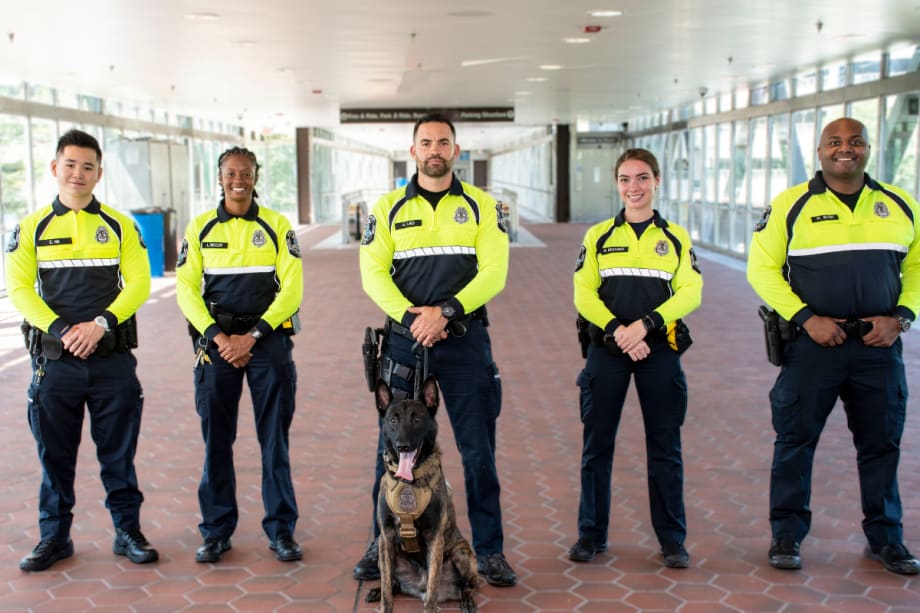
MTPD officers are often first to respond to reports of sick customers possibly experiencing an overdose.
Photo: Metro Transit
2 min to read
The Washington Metropolitan Area Transit Authority (WMATA) announced that its police officers have a new tool to protect customers and save lives, as all active duty MTPD officers and Metro’s crisis intervention specialists will be equipped with naloxone (commonly known as Narcan) to prevent deaths by opioid overdose.
The addition of naloxone as a life-saving resource comes as a result of increased calls to MTPD reporting suspected overdoses, from 27 incidents in 2021 to 43 incidents in 2022, according to Metro Transit's news release.
MTPD officers are often first to respond to reports of sick customers possibly experiencing an overdose, and naloxone can temporarily reverse the effects of an opioid overdose in the minutes before paramedics arrive. An MTPD officer administered life-saving naloxone to revive an unresponsive person suspected of experiencing an opioid overdose on the first day they were equipped with the drug.
According to the Centers for Disease Control and Prevention, drug overdoses are now the leading cause of accidental death in the U.S., with nearly three out of four caused by opioids.
WMATA said it worked with The h3 Project DC to train all personnel who will be equipped with naloxone. The training included instruction of proper usage procedures, safety precautions, and a review of the signs and symptoms of an opioid overdose.
“MTPD officers are committed to keeping our community safe, and this additional tool is already being used to potentially save lives,” said Michael Anzallo, WMATA's police chief. “Like all medical emergencies, time is of the essence when rendering care to those experiencing overdoses, and officers are now better equipped to quickly help those experiencing a crisis.”
More Security and Safety
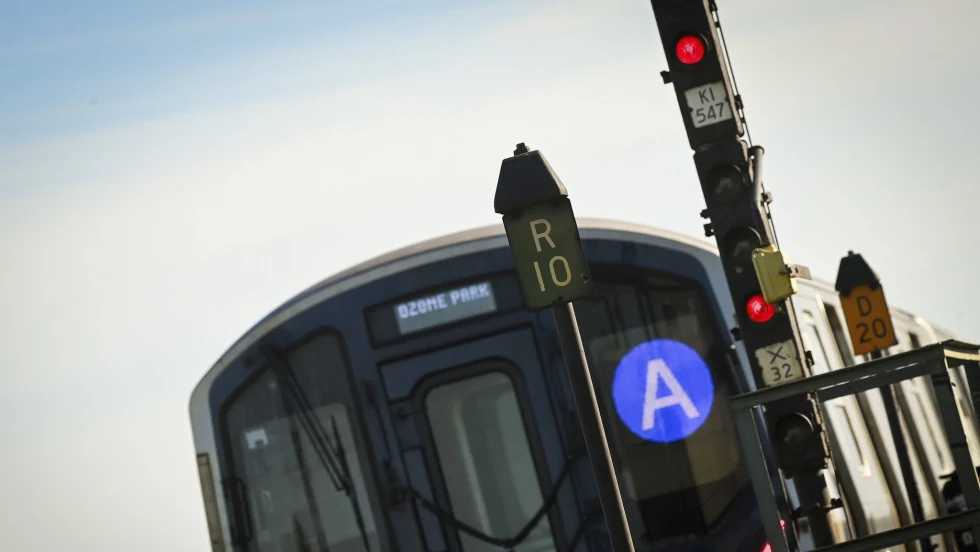
New York MTA Launches Historic $1.9B Signal, Track Modernization Project
Funded in part by congestion pricing revenue, the project will replace nearly century-old signals along the A and C lines in Brooklyn and Queens.
Read More →
CSA Group Releases Climate Resilience Standard for Transit, Passenger Rail
Developed with support from the Standards Council of Canada, CSA D700 guides assessing climate-related risks and planning adaptation measures for transit and passenger rail systems.
Read More →
San Diego MTS Approves New Fare Evasion Penalty Program
The new administrative process will move eligible violations out of the criminal court system, cap penalties at $125, and provide flexible payment options for riders.
Read More →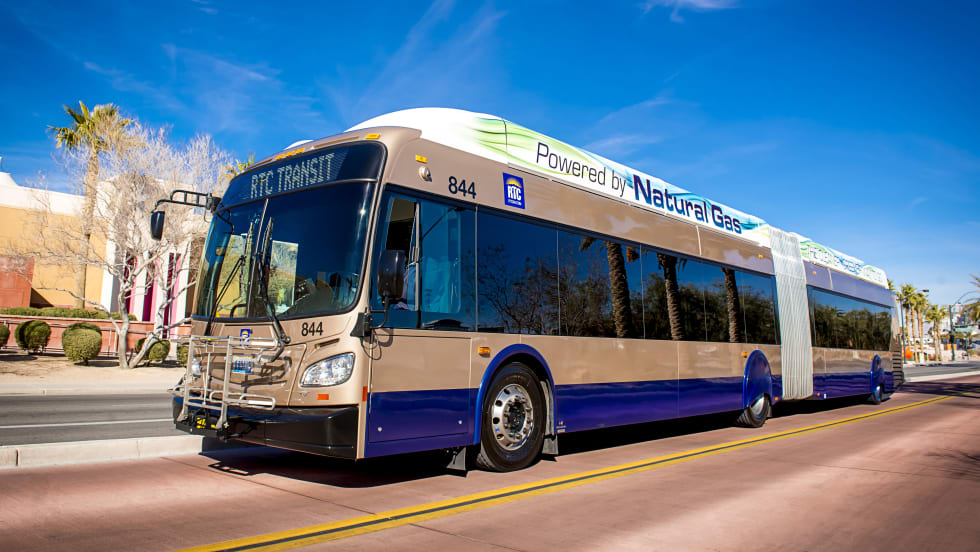
RTC of Southern Nevada Reports 29% Drop in Transit Operator Assaults
The agency credits expanded security measures, employee training, and technology investments for improvements in transit safety, while security officers have responded to 19 suspected overdoses since July.
Read More →
Public Transit Conference Returning to GFX in 2027, Call for Papers Now Open
The Call for Papers is now open, allowing transit agency professionals and industry experts to help shape the PTC educational program by submitting session ideas for consideration.
Read More →
Safe Transit Act Proposes New Security Requirements for Federal Transit Funding
Proposed legislation would link federal transit dollars to safety measures while requiring security investments, onboard cameras, and new fare collection standards.
Read More →
FTA Ends Direct Oversight of MBTA Safety Actions
The federal agency closed its remaining special directive to the Massachusetts Department of Public Utilities following a safety review that began in 2022.
Read More →
Transit Agencies Highlight Safety Gains at National Summit
Leaders from 15 major transit systems shared crime-reduction results and safety initiatives while discussing the role of continued federal support.
Read More →
DART Launches Major Security, Fare Enforcement Initiative
The 90-day demonstration will deploy coordinated security teams at five light rail stations while testing controlled access and gathering data to guide future investments.
Read More →
RTD Launches NextRide App to Consolidate Trip Planning, Fares, Security Reporting
The app expands on RTD’s existing NextRide web application and allows customers to view real-time vehicle locations and service alerts, purchase and store digital fares, and access customer support.
Read More →