



Motorcoach industry could lose up to $8B due to COVID-19, ABA says
Most recent data shows that nearly 100% of the charter and tour market has stopped operating.

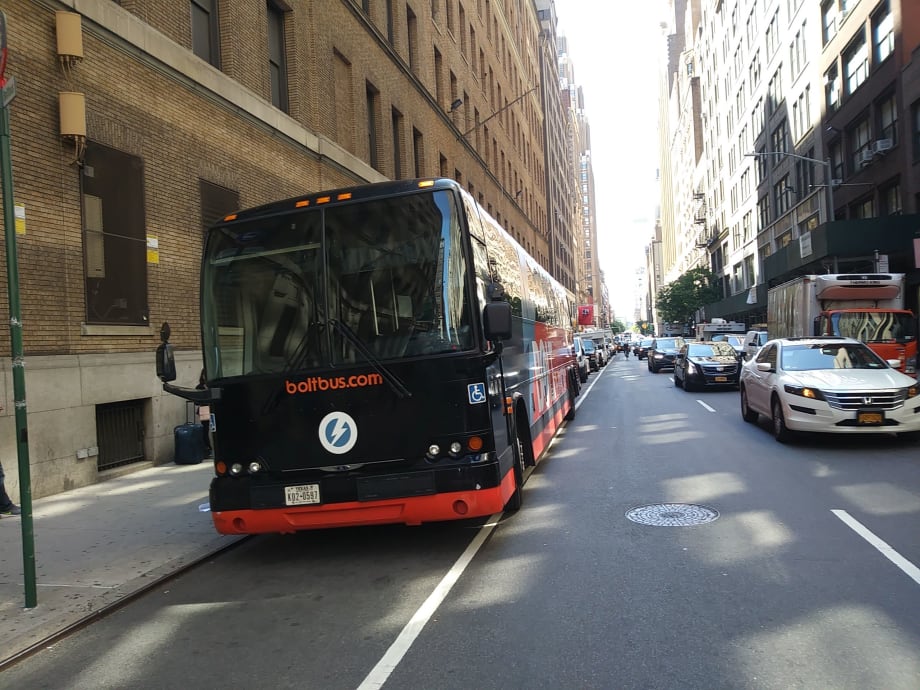
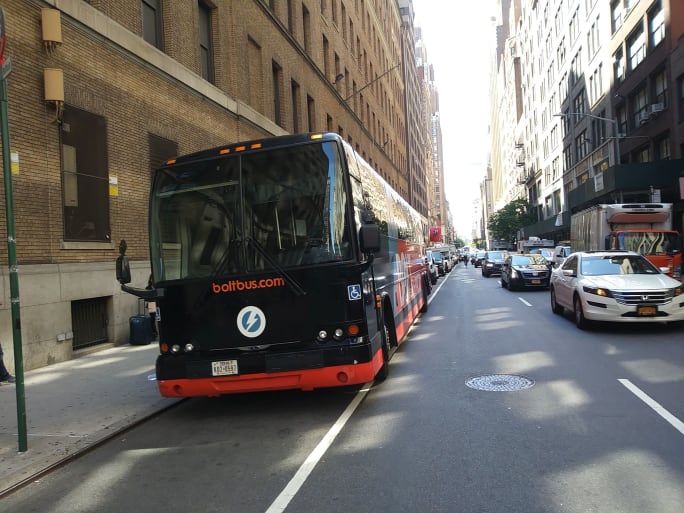
The scheduled service market, providing public transportation service to people traveling between cities and providing needed transportation to rural parts of the country, is down in excess of 50% and continues to drop. Joseph Schweiterman
The American Bus Association (ABA) now estimates the U.S. motorcoach industry will lose nearly than $8 Billion during the next five months.
This impact on the industry is a direct result of the Coronavirus (COVID-19) outbreak. The numbers are likely to increase as the suspension of travel continues.
In reviewing the most recent data, prepared by John Dunham & Associates, it appears that nearly 100% of the charter and tour market has stopped operating. This is at a time when that segment of the industry is experiencing its busiest period. In addition, the scheduled service market, providing public transportation service to people traveling between cities and providing needed transportation to rural parts of the country, is down in excess of 50% and continues to drop. These declines are a direct result of the White House and health officials directing Americans to reduce or eliminate nonessential travel. Further, the commuter market, which connects workers to larger urban centers is down more than 60% as of March 16 and continues to drop as employees stop coming into their offices.
The immediate loss of business to the motorcoach and private bus industry during the period of March through early June, nears $4 Billion.
If, as President Trump recently suggested, the current situation lasts well into the summer, August at the latest, the motorcoach industry will lose nearly $8 Billion. Further, it is very unlikely the businesses or transportation network will be able to return to pre COVID-19 levels of operation over the next year.
The motorcoach and private bus industry provides nearly 600 million passenger trips annually, slightly less than U.S. commercial airlines. It is made up of over 3,000 small family owned and operated businesses, many of them multigenerational. These companies provide essential travel services in every part of the country and have often been described “America’s Strategic Transportation Reserve” as they have stepped in to serve people in harm’s way of hurricanes and other natural disasters, and when after 9/11 the airlines were not operating.
During this crisis, while buses are parked, the nearly 100,000 employees in the industry are facing layoffs. These include drivers, mechanics, cleaners, and office staff.
The motorcoach and private bus industry needs Congress to step up and ensure the commercial motorcoach remains a vital part of America’s transportation network and fabric, according to the ABA and UMA.
Finally, with the motorcoach charter and tour market virtually at a standstill, the tens of thousands of hotels, attractions, restaurants, theaters, communities, shopping destinations, and other locations where buses take customers, are facing the same situation of layoffs, closures and lost revenue that cannot be recovered.
Therefore, the ABA and the industry as a whole, is asking Congress to put the motorcoaches back on the road by making available grants and “0” interest rate loans to the motorcoach and bus industry, and ensure these monies are available immediately and are easily accessible so these companies can survive.
More Motorcoach

METRO Opens Submissions for 2026 Motorcoach Awards
Nominations are now being accepted for METRO Magazine’s Operator of the Year and Innovative Operator of the Year awards.
Read More →
Biz Briefs: Alstom Lands Canadian Contract, LYT to Supply California TSP, and More
In METRO's latest installment, we take a look at recent news from Complete Coach Works, Beep, FlixBus, and more partnerships making headlines across the transportation sector.
Read More →
Biz Briefs: RIPTA Unveils New Frontrunners, Clevland RTA Adds New Siemens, and More
In METRO's latest installment, we take a look at recent news from Siemens, Prevost, Dodge, and more partnerships making headlines across the transportation sector.
Read More →
People Movement: Holly Arnold Joins Transdev and More
In this edition, we also cover recent appointments and announcements at Pace, CamTran, MCI, and more, showcasing the individuals helping to shape the future of transportation.
Read More →
ABA Report: Motorcoach Travel Generates $161.6B Economic Impact
The 2025 analysis finds motorcoach travel supported nearly 900,000 jobs and generated $28 billion in federal, state, and local taxes.
Read More →
CharterUP’s Armir Harris on Technology, AI, and the Future of Group Mobility
In a recent episode of METROspectives, CharterUP Founder/CEO Armir Harris discussed the company’s evolution from an online charter bus marketplace into a technology platform supporting public- and private-sector mobility and much more.
Read More →
People Movement: ABC Names John Walsh as Chief Commercial Officer
In this edition, METRO also covers recent appointments and announcements at the DART, STV, and more, showcasing the individuals helping to shape the future of transportation.
Read More →
From Surviving to Thriving: Building Stronger Transportation Organizations
Bus Business Consultants founder Brian Dickson shares lessons on leadership, organizational health, and creating options for long-term success in a changing transportation industry.
Read More →
Biz Briefs: Luminator Marks Milestone and More
From manufacturers and suppliers to transit agencies and motorcoach operators, these updates offer a snapshot of the projects, partnerships and business moves driving the industry forward.
Read More →
ABAF Study Reveals Growing Insurance Crisis for Motorcoach Operators
Preliminary findings show 98% of operators faced premium increases over the past five years, while shrinking insurer participation is putting added pressure on businesses and customers.
Read More →