




Study Time: MTI Research Examines Curb Planning, Management
MTI Study Shows How Changing Patterns of Violence Pose New Challenges for Public Transport
It found that countries with advanced economies account for a growing percentage of incidents worldwide, with the U.S. taking the lead in the total number of incidents and number of fatalities.
August 16, 2022
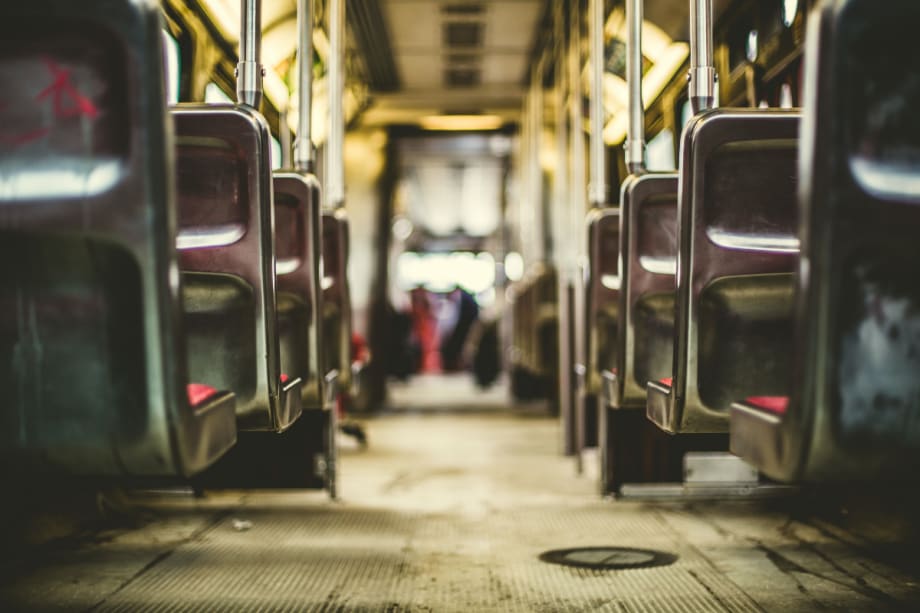
The increasingly individual and spontaneous nature of attacks on surface transportation targets make such attacks less predictable and harder to detect.
Photo: Matthew Henry/Unsplash
4 min to read
The threat of attacks on public surface transportation and staff in the U.S. and other economically advanced countries has changed over the past 20 years, so the Mineta Transportation Institute (MTI) believes there is a need to rethink current security strategies.
That is the primary finding of a new study, "Changing Patterns of Violence Pose New Challenges for Public Transport," from MTI. It found that countries with advanced economies (Group 1) account for a growing percentage of incidents worldwide, with the U.S. taking the lead in the total number of incidents and number of fatalities in those countries.
The report’s authors, Brian Michael Jenkins and Bruce R. Butterworth, say that while developing countries (Group 2), especially in South Asia, continue to account for most of the attacks with the highest number of fatalities, advanced economies are seeing a surge in low-level attacks carried out by lone attackers.
By analyzing data from 5,611 attacks against all public surface transport targets that occurred worldwide between January 1970 and July 2022, the authprs observed a growing problem of violence against passengers and staff on passenger trains and at train stations, buses and bus stations, rail infrastructure, and operating and security staff. They not only included explosives and incendiaries, but physical attacks—stabbings, shootings, arson, unarmed physical assaults, and other acts of random violence.
“Our analysis indicates a fundamental shift in the threat facing public surface transportation. At the beginning of the decade the people responsible for security were worried about suicide attackers, particularly those motivated by Jihadist ideologies and bent upon causing mass casualties, with large scale bombings as well as the possibility of chemical or biological attacks. However, controls on explosives and precursor chemicals have been strengthened, especially in economically advanced countries,” said Jenkins.
The authors are quick to warn that large-scale attacks such as Madrid (2004) and Mumbai (2008) should not be dismissed as a potential threat and that bombings continue to constitute more than 55% of all attacks on public surface transportation in developing countries — particularly in South Asia.
However, in economically advanced countries, security planners now face a more complicated threat in the form of increasing attacks by individual criminals, persons described as mentally disturbed, or, in many cases, unknown attackers. The violence is increasingly random and carried out by lone individuals, who can make potentially lethal bombs, which very often do not work. At the same time, there has been an increase in incidents of sabotage by anarchists and environmental extremists.
“Many of the attacks are not ordinary criminal activities such as armed robberies; and most have no political nexus,” said Butterworth. “The increase in violence at transportation venues appears to parallel a general increase in random public violence and reflects broader societal trends occurring on the streets and elsewhere. Some observers blame the behavior on the pandemic, but the trends precede COVID-19, and are contributing to a sense of insecurity.”
As the majority of attacks appear to be random, risk reflects exposure. Passengers are more numerous than operating personnel but are exposed for shorter periods, so their risk is lower. However, well-publicized events contribute to an atmosphere of fear. There are far fewer operating personnel, but they spend longer times on the job, therefore their exposure to risk is greater. Transportation employees are on the frontline in dealing with violent incidents–often on their own or as targets of the violence.
“A public fearful of traveling adds to economic difficulties for transportation operators and reduced resources for facilities improvements, service and security. The fact that there are fewer riders may contribute even further to a sense of insecurity and it is possible that increased ridership actually contributes to security,” said Jenkins.
The increasingly individual and spontaneous nature of attacks on surface transportation targets make such attacks less predictable and harder to detect. Intelligence operations, while essential, are less likely to obtain warnings. Attacks are only identified when they begin. Rapid intervention is required to prevent or mitigate casualties, but that in turn requires greater security presence, which is costly to maintain.
“The shift from terrorist to anti-social violence particularly in economically advanced countries is probably far greater than what we include in this report, which is why we call on the governments and transportation operators to better record what is happening to passengers and staff so that we can rethink our security strategies, preparedness and training." Butterworth said.
More Security and Safety

Transit Agencies Highlight Safety Gains at National Summit
Leaders from 15 major transit systems shared crime-reduction results and safety initiatives while discussing the role of continued federal support.
Read More →
DART Launches Major Security, Fare Enforcement Initiative
The 90-day demonstration will deploy coordinated security teams at five light rail stations while testing controlled access and gathering data to guide future investments.
Read More →
RTD Launches NextRide App to Consolidate Trip Planning, Fares, Security Reporting
The app expands on RTD’s existing NextRide web application and allows customers to view real-time vehicle locations and service alerts, purchase and store digital fares, and access customer support.
Read More →
TAPTCO Updates OSHA Compliance Training for Transit Maintenance Operations
The revamped program addresses 26 OSHA standards for maintenance facilities, with TAPTCO pointing to training, documentation, and everyday shop hazards as continuing challenges for transit operations.
Read More →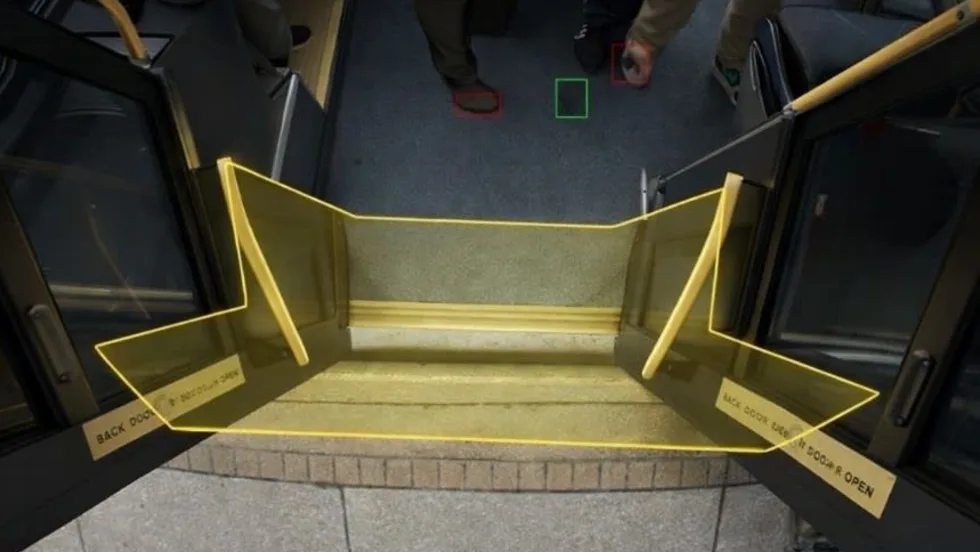
Sponsored•August 18, 2026
How VaporVision Adds Value to Transit Door Systems
Wabtec engineers explain how the system improves doorway detection, strengthens diagnostics and gives transit agencies and OEMs greater operating flexibility.
Read More →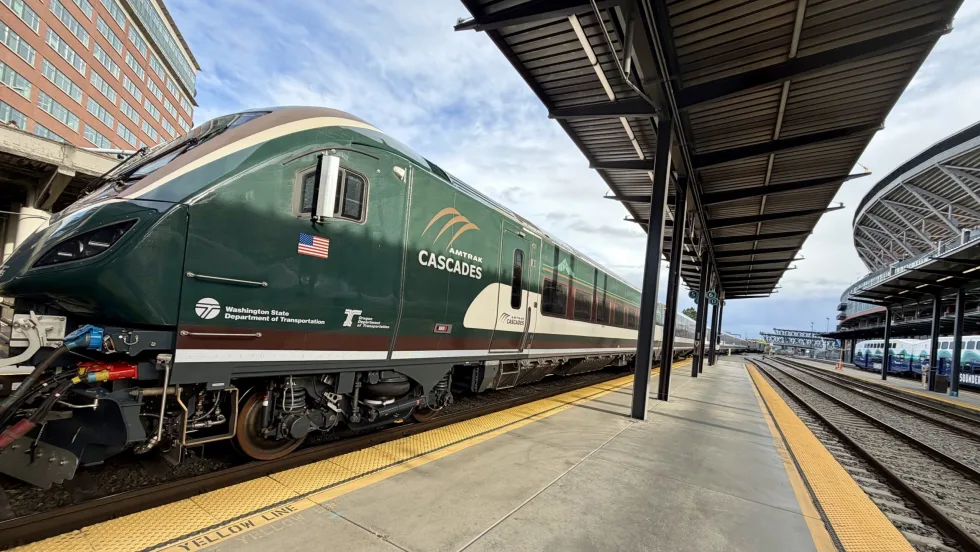
FRA Announces $5.3B in Rail Investments, Including $2B for Amtrak
Funding will support grade-crossing improvements, infrastructure upgrades, and new Amtrak equipment in 23 states.
Read More →
Chicago, Maryland Expand Non-Law-Enforcement Safety, Rider Support
The CTA and MTA are launching new programs aimed at de-escalation, crisis response, rider assistance, and greater transparency.
Read More →
LA Metro, City of West Hollywood, and Partners Advance Smarter Bus Lane Enforcement
The award-winning partnership combines AI-powered detection with human oversight to improve bus reliability, accessibility, and enforcement efficiency.
Read More →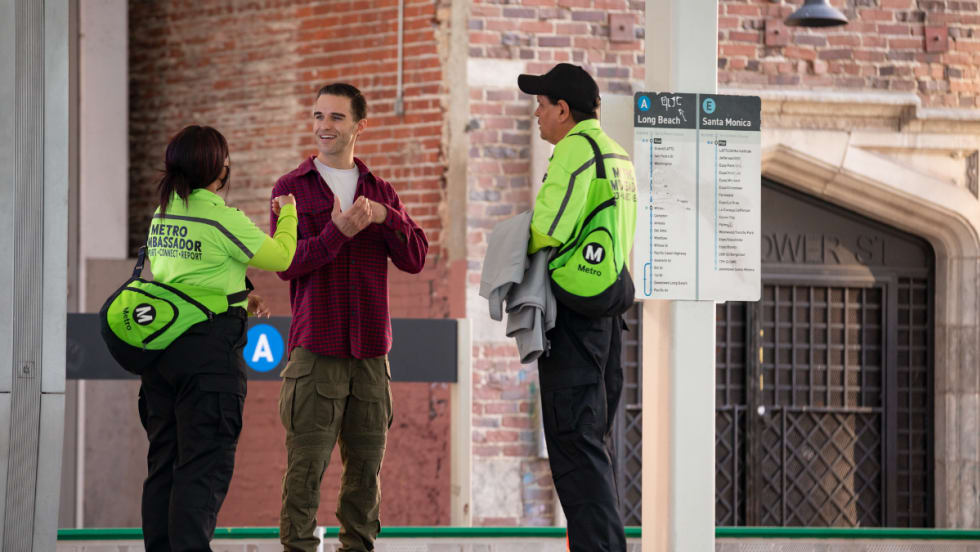
LA Metro Reports 57% Decline in Homelessness on Transit System Since 2024
The agency's latest homelessness count offers new data on how care-based services and cross-sector partnerships can complement traditional transit security strategies.
Read More →
FTA Launches 'Transit Moves America' Dashboard to Highlight Agency Safety and Performance
The online dashboard transforms National Transit Database information into a public-facing resource that allows users to compare transit agencies on key operational and safety metrics.
Read More →