



MV Transportation lands 5-year King County Metro paratransit contract
The contract incorporates feedback from customers, caregivers, stakeholders, and community organizations.


Seattle’s King County Metro signed a contract with MV Transportation to provide Access paratransit services to customers for the next five years.
The contract incorporates feedback from customers, caregivers, stakeholders, and community organizations to ensure Access has a stronger focus on performance, accountability, equity and social justice, customer service, innovation, and continuous improvement.
Access provides about one million rides annually for qualifying riders who cannot take fixed-route bus service. Metro paratransit service provided under contract exceeds the federally required minimum standards.
Future benefits that will be implemented over time include better customer communications and multi-lingual access, improved technology for arranging trips and fare payment, and improved pick-up and drop-off windows.
The current Access contracts are being extended to Oct. 31 to ensure continued, uninterrupted service for customers and allow Metro to smoothly transition service under a single contract with MV Transportation, a change from the previous three-contractor model in place for over a decade.
Metro will be working for the rest of this year to develop the implementation plan for elements in the new contract.
Some of the highlights of the new contract include:
Improved pick-up and drop-off windows to provide a better customer experience. The contract provides significant financial incentives to deliver quality service above established standards. Performance will be closely monitored, with disincentives should trips arrive very late, very early or are otherwise missed.
Proactive outreach for historically underserved populations, including people with limited English proficiency, to provide improved multi-lingual access, including education about the program, assistance with applying to the program and scheduling trips.
Integration of industry-leading technology, including a web-based customer interface for arranging trips and paying fares electronically. By using improved technology and data analysis, service will be more efficient and responsive.
Ability to test and pilot more flexible scheduling options, including same day trips. MV Transportation has experience using non-dedicated services (taxis, for example) to maximize efficiencies.
In-house Metro customer service, which will better connect Metro with its Access customers. This will also allow King County to provide independent tracking, investigation and accountability for the program.
A retention plan was developed for current Access contract employees and drivers. About 600 employees operate paratransit service under Metro’s current contracts.
The $424 million five-year contract includes additional provisions for accountability and continuous improvement, giving King County the ability to establish higher standards of performance through the life of the contract. MV Transportation is also incentivized to reduce the cost per trip. The contract can be extended for an additional five years. Metro spent $60 million in 2018 on Access contract services.
More Paratransit

Biz Briefs: RIPTA Unveils New Frontrunners, Clevland RTA Adds New Siemens, and More
In METRO's latest installment, we take a look at recent news from Siemens, Prevost, Dodge, and more partnerships making headlines across the transportation sector.
Read More →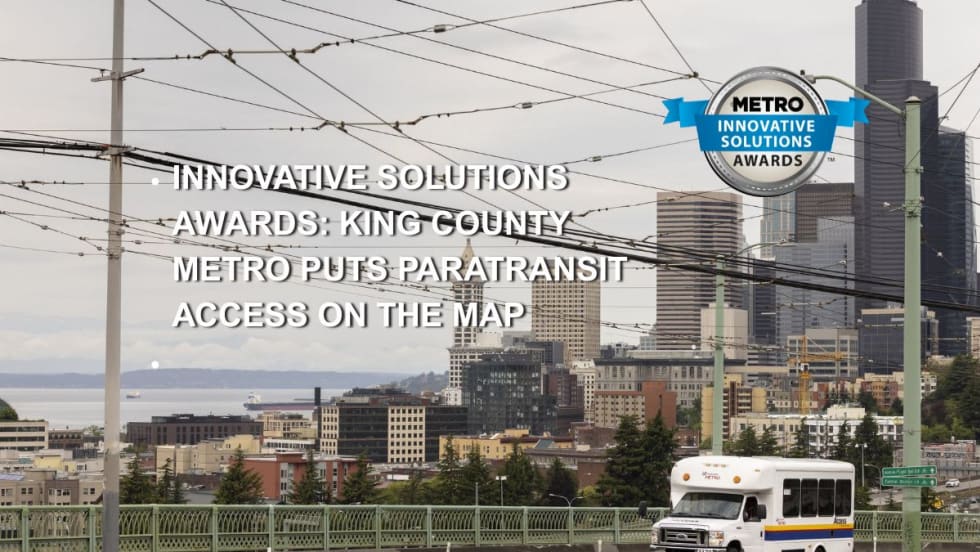
King County Metro Makes ADA Paratransit Easier to Navigate
METRO's Innovative Solutions Award winner replaces complex service-area descriptions with an accessible, interactive map that puts paratransit information directly in customers’ hands.
Read More →
Jacksonville’s NAVI Project Charts a New Course for Autonomous Public Transportation
Through its NAVI program, JTA is showing how autonomous vehicles, intelligent infrastructure, and coordinated operations can work together to deliver everyday public transportation.
Read More →
Driving Smarter Paratransit
John Hanlon shares how AlphaRoute is leveraging AI-powered technology to help paratransit providers optimize operations, support frontline staff, and enhance the rider experience.
Read More →
METRO Magazine Announces 2026 Innovative Solutions Awards Winners
Projects Recognized for Advancing Mobility Through Technology, Accessibility, Workforce Innovation, and Operational Excellence
Read More →
Biz Briefs: STV teams with Amtrak, Motorcoach Operators Boost Fleet and Land Contracts, and More
From manufacturers and suppliers to transit agencies and motorcoach operators, these updates offer a snapshot of the projects, partnerships and business moves driving the industry forward.
Read More →
Biz Briefs: Masabi Teams with St. Louis Metro and More
In METRO's latest installment, we take a look at recent news from Transdev, Hitachi, and more partnerships making headlines across the transportation sector.
Read More →
New York MTA Leverages Zoning Program to Advance Station Accessibility
Accessibility enhancements at Nevins St Station will be financed through a development agreement tied to the MTA's Zoning for Accessibility initiative.
Read More →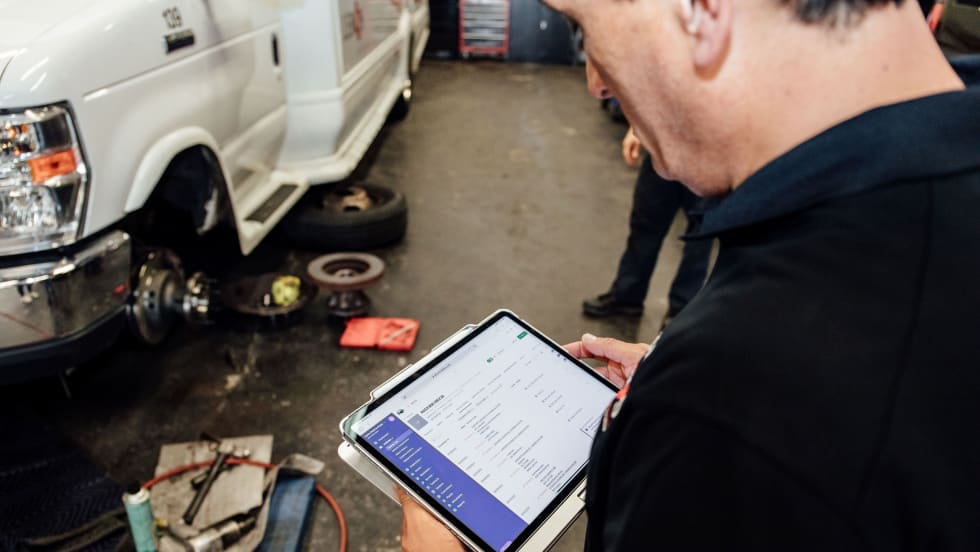
Reinventing Fleet Maintenance with Real-time Visibility and AI
Transit leaders need to know what needs fixing, where to look, who is responsible, when work is completed, and what it costs without having to chase information across disconnected systems.
Read More →
SamTrans Sets Priorities for Potential Connect Bay Area Revenue
The board-approved framework allocates future funding to maintaining service, rider improvements, equity initiatives, and infrastructure repairs.
Read More →