



N.Y. MTA taps new head of security
Douglas Zeigler, a 37-year veteran of the New York City Police Department, will oversee security for the MTA, including coordinating MTA security efforts with the Department of Homeland Security; FBI; the National Guard; the NYPD and State Police, and the MTA Police Department.

Last week, the New York Metropolitan Transportation Authority (MTA) announced the appointment of Douglas Zeigler, a 37-year veteran of the New York City Police Department (NYPD), as its director of security.
Zeigler began his law enforcement career in 1973 and served in a variety of positions including chief of the Community Affairs Bureau, chief of the Organized Crime Control Bureau, chief of the Housing Bureau and Borough Commander for Patrol Borough Queens North. He retired from NYPD in June 2010.
"The safety and security of the millions of people who use our transit system every day is our top priority, and Chief Zeigler is uniquely qualified to lead our multi-faceted security program," said MTA Chairman/CEO Jay H. Walder. "Chief Zeigler brings with him a wealth of knowledge from three decades at the NYPD that will guide MTA security policy and support the continuation of our tight partnership with local, state and federal law enforcement," Walder said.
Zeigler will oversee security for the MTA, including coordinating MTA security efforts with the Department of Homeland Security, FBI, the National Guard, NYPD and State Police, as well as the MTA Police Department, which has jurisdiction in 14 counties in New York and Connecticut, patrolling approximately 5,000-square miles of the MTA's rail network.
Zeigler replaces retiring Chief William A. Morange, who is retiring after serving seven years at the MTA. Morange is also a 39-year veteran of the NYPD.
More Paratransit

Biz Briefs: RIPTA Unveils New Frontrunners, Clevland RTA Adds New Siemens, and More
In METRO's latest installment, we take a look at recent news from Siemens, Prevost, Dodge, and more partnerships making headlines across the transportation sector.
Read More →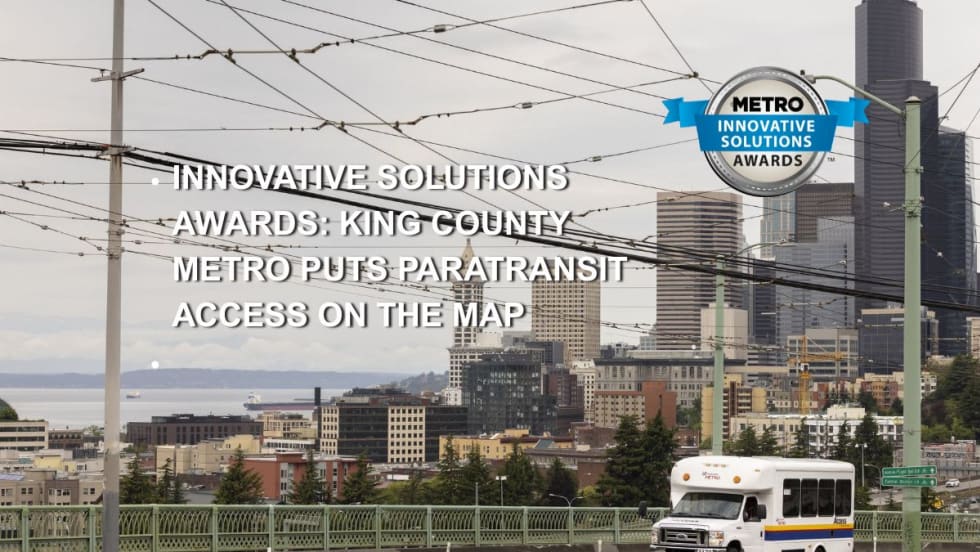
King County Metro Makes ADA Paratransit Easier to Navigate
METRO's Innovative Solutions Award winner replaces complex service-area descriptions with an accessible, interactive map that puts paratransit information directly in customers’ hands.
Read More →
Jacksonville’s NAVI Project Charts a New Course for Autonomous Public Transportation
Through its NAVI program, JTA is showing how autonomous vehicles, intelligent infrastructure, and coordinated operations can work together to deliver everyday public transportation.
Read More →
Driving Smarter Paratransit
John Hanlon shares how AlphaRoute is leveraging AI-powered technology to help paratransit providers optimize operations, support frontline staff, and enhance the rider experience.
Read More →
METRO Magazine Announces 2026 Innovative Solutions Awards Winners
Projects Recognized for Advancing Mobility Through Technology, Accessibility, Workforce Innovation, and Operational Excellence
Read More →
Biz Briefs: STV teams with Amtrak, Motorcoach Operators Boost Fleet and Land Contracts, and More
From manufacturers and suppliers to transit agencies and motorcoach operators, these updates offer a snapshot of the projects, partnerships and business moves driving the industry forward.
Read More →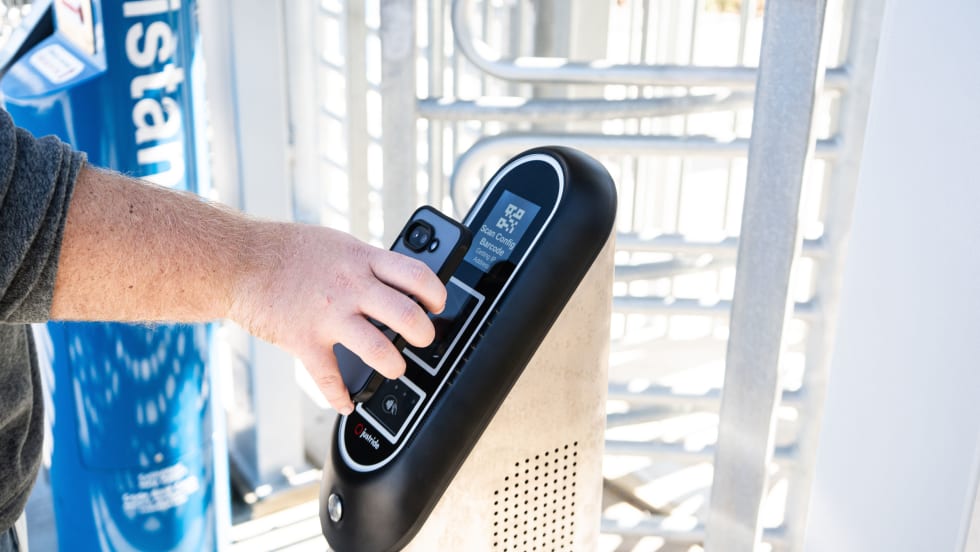
Biz Briefs: Masabi Teams with St. Louis Metro and More
In METRO's latest installment, we take a look at recent news from Transdev, Hitachi, and more partnerships making headlines across the transportation sector.
Read More →
New York MTA Leverages Zoning Program to Advance Station Accessibility
Accessibility enhancements at Nevins St Station will be financed through a development agreement tied to the MTA's Zoning for Accessibility initiative.
Read More →
Reinventing Fleet Maintenance with Real-time Visibility and AI
Transit leaders need to know what needs fixing, where to look, who is responsible, when work is completed, and what it costs without having to chase information across disconnected systems.
Read More →
SamTrans Sets Priorities for Potential Connect Bay Area Revenue
The board-approved framework allocates future funding to maintaining service, rider improvements, equity initiatives, and infrastructure repairs.
Read More →