



N.Y. MTA's longest-serving chairman, Kiley dies
One of Kiley’s most enduring legacies was the removal of graffiti — a potent symbol of disorder — throughout New York City’s subway system.

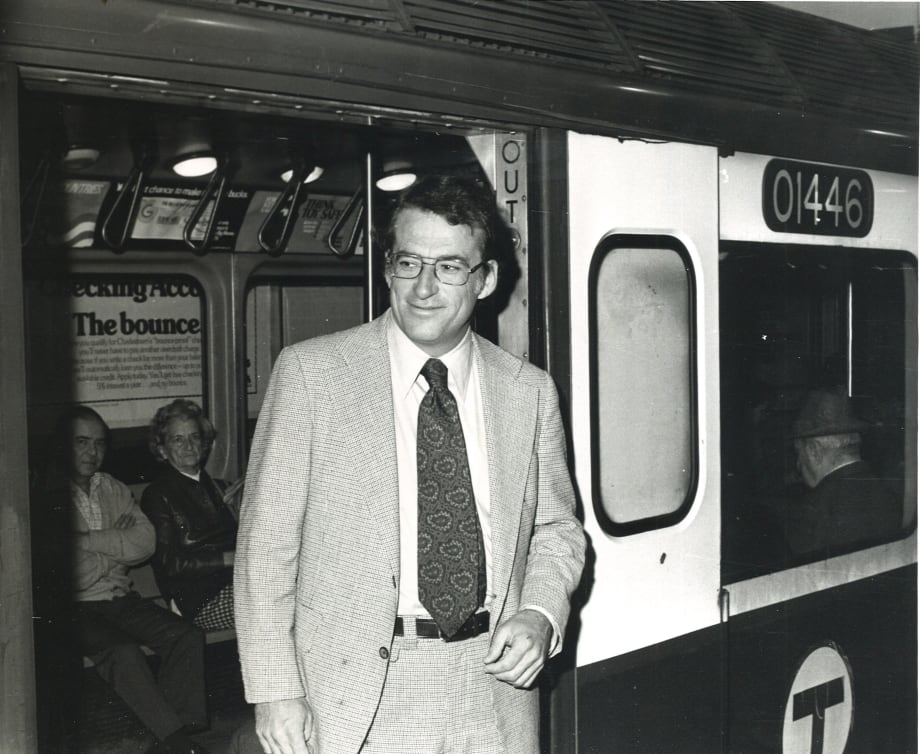
Robert Kiley. Photo: NYMTA
Robert Kiley. Photo: NYMTA
New York MTA's longest-serving chairman, Robert R. Kiley died Tuesday, Aug. 9th at the age of 80. He was appointed chairman of the MTA by then-New York Gov. Mario M. Cuomo in 1983.
Serving for more than seven years from November 1983 to January 1991, Kiley was a principle catalyst of the system’s remarkable transformation — from a symbol of urban decay to today’s modern, safe and vital economic engine, according to a statement issued by the MTA.
“Bob’s leadership helped the MTA focus on dramatically improving the safety and reliability of the network, led directly to the record ridership levels we see today and was central to the State’s increased growth and prosperity,” said MTA Chairman/CEO Thomas F. Prendergast. “He assembled a team and created a vision that brought the transit system back from the brink of disaster and under Gov. Mario M. Cuomo helped rebuild our region’s economy. We remember his service with fondness and gratitude and send our deepest condolences to his family in this difficult time.”
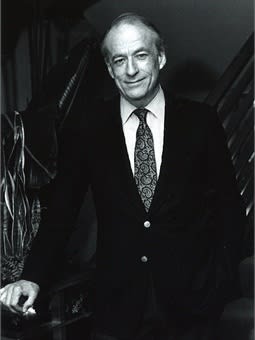
Robert Kiley. Photo: NYMTA
One of Kiley’s most enduring legacies was the removal of graffiti — a potent symbol of disorder — throughout New York City’s subway system. Kiley was also instrumental is advancing New York City Transit’s fare collection system from tokens to the MetroCard.
Kiley implemented the first and second MTA Capital Programs, overseeing more than $16 billion worth of investments in New York’s transit network and focused these investments on our network’s core “invisible” infrastructure such as trains, buses, track, signals, and thousands of components most customers never even see.
For additional reporting, view article in The New York Times.
More Rail

New York MTA Advances Final Contract for Second Avenue Subway Expansion
Contract Four is the largest in the Second Avenue Subway Phase 2 project and includes construction of station infrastructure, tracks, and signals for the subway expansion, MTA officials said. Work on Contract Four will begin in 2027.
Read More →
San Diego MTS Breaks Monthly Trolley Ridership Record
Agency officials said July’s ridership indicates MTS’s continued recovery from the pandemic.
Read More →
Report Examines NJ TRANSIT Reliability, Funding Challenges
The Garden State Initiative analysis examines the roles of Amtrak infrastructure, fleet management, and agency operations while recommending a more performance-based approach to improving reliability.
Read More →
Stadler, CapMetro Sign Long-Term Rail Fleet Support Agreement
Beginning in 2027, Stadler will provide on-site technical expertise, spare parts support, training, and obsolescence management to help extend the reliability and longevity of CapMetro’s GTW fleet.
Read More →
Biz Briefs: Alstom Lands Canadian Contract, LYT to Supply California TSP, and More
In METRO's latest installment, we take a look at recent news from Complete Coach Works, Beep, FlixBus, and more partnerships making headlines across the transportation sector.
Read More →
CATS Gold Line Marks 5 Years of Service, 2.8M Passenger Trips
With a six-mile expansion planned, the Charlotte streetcar is positioned to connect more neighborhoods and major transit hubs across the region.
Read More →
Why Simulating Pedestrian Movement Has Become Essential for Modern Rail Stations
Pedestrian microsimulation is helping rail planners identify bottlenecks, test station designs, and prepare complex transit hubs for growing passenger volumes.
Read More →
Amtrak Begins Major Construction at New York’s Sunnyside Yard
The new maintenance facility will support Amtrak’s Airo trainsets while improving maintenance efficiency and turnaround times in New York.
Read More →
Chicago Leaders Unveil Plans for O’Hare Airport Express Train
The privately developed project would offer a 15-minute trip between downtown and O’Hare’s Terminal 2, with trains operating every 15 minutes on a dedicated track. The service would use battery-electric trains and three existing freight rail rights-of-way.
Read More →
OCTA Maps Out 30-Year Strategy to Protect Coastal Rail Corridor
The draft feasibility report identifies strategies to protect the coastal rail line for decades as the agency continues near-term stabilization and sand placement efforts.
Read More →