



National Express Awarded 5-Year Partnership with Virginia’s GRTC Transit System
Utilizing the client’s fleet of 96 vehicles, National Express Transit will provide paratransit and call center services.

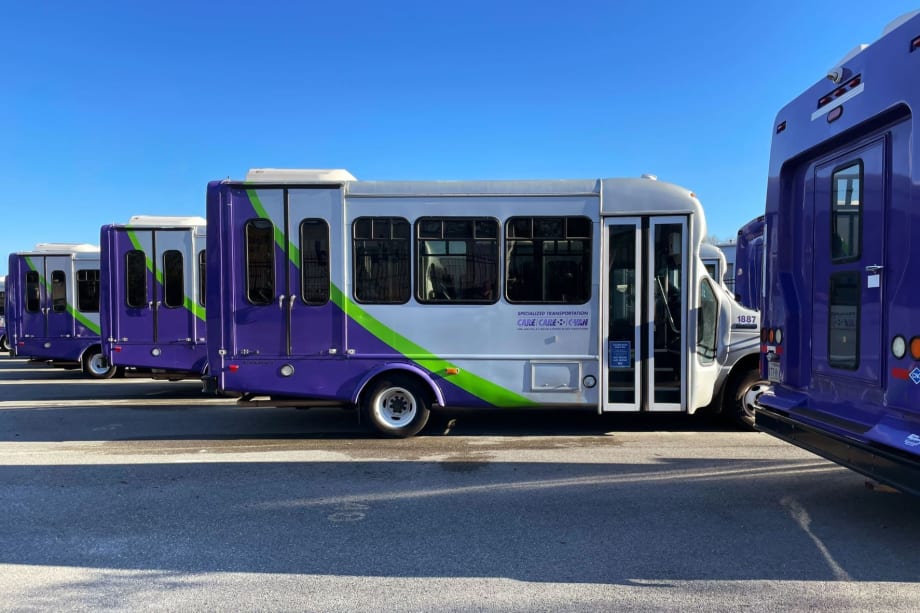
The vehicles will be equipped with the latest technologies to improve safety performance, enhance the passenger experience, and minimize service disruptions.
National Express
National Express Transit will begin a new partnership with Virginia’s Greater Richmond Transit Company (GRTC) in October, according to the company.
Utilizing the client’s fleet of 96 vehicles, National Express Transit will provide paratransit and call center services. The vehicles will be equipped with the latest technologies to improve safety performance, enhance the passenger experience, and minimize service disruptions.
The GRTC Transit System was founded in 1860 and is known today as one of the most efficient transit systems in the U.S. because of its progressive and expansive services that serve every sector of the Richmond area. It aims to provide clean, safe, and reliable transportation and to improve mobility and access throughout Central Virginia.
“GRTC is committed to elevating the experience of our riders on our CARE service, and we have high expectations for National Express Transit on this new partnership focusing on supporting the operators on the streets as well as our riders in our vans,” said Sheryl Adams, GRTC’s acting CEO. “In conjunction with their vast experience and resolute approach to safety, we were impressed by the value and quality of service National Express Transit outlined for our riders and community in their proposal. We have full confidence in this partnership and trust that our riders are in good hands.”
More Paratransit

People Movement: Dan Dipert Coaches Adds Third-Generation Leader, Keolis Names New Valley Metro VP/GM, and More
In this edition, we also cover recent appointments and announcements at the Wabtec, SilverRide, HNTB, and more, showcasing the individuals helping to shape the future of transportation.
Read More →
Biz Briefs: RIPTA Unveils New Frontrunners, Clevland RTA Adds New Siemens, and More
In METRO's latest installment, we take a look at recent news from Siemens, Prevost, Dodge, and more partnerships making headlines across the transportation sector.
Read More →
King County Metro Makes ADA Paratransit Easier to Navigate
METRO's Innovative Solutions Award winner replaces complex service-area descriptions with an accessible, interactive map that puts paratransit information directly in customers’ hands.
Read More →
Jacksonville’s NAVI Project Charts a New Course for Autonomous Public Transportation
Through its NAVI program, JTA is showing how autonomous vehicles, intelligent infrastructure, and coordinated operations can work together to deliver everyday public transportation.
Read More →
Driving Smarter Paratransit
John Hanlon shares how AlphaRoute is leveraging AI-powered technology to help paratransit providers optimize operations, support frontline staff, and enhance the rider experience.
Read More →
METRO Magazine Announces 2026 Innovative Solutions Awards Winners
Projects Recognized for Advancing Mobility Through Technology, Accessibility, Workforce Innovation, and Operational Excellence
Read More →
Biz Briefs: STV teams with Amtrak, Motorcoach Operators Boost Fleet and Land Contracts, and More
From manufacturers and suppliers to transit agencies and motorcoach operators, these updates offer a snapshot of the projects, partnerships and business moves driving the industry forward.
Read More →
Biz Briefs: Masabi Teams with St. Louis Metro and More
In METRO's latest installment, we take a look at recent news from Transdev, Hitachi, and more partnerships making headlines across the transportation sector.
Read More →
New York MTA Leverages Zoning Program to Advance Station Accessibility
Accessibility enhancements at Nevins St Station will be financed through a development agreement tied to the MTA's Zoning for Accessibility initiative.
Read More →
Reinventing Fleet Maintenance with Real-time Visibility and AI
Transit leaders need to know what needs fixing, where to look, who is responsible, when work is completed, and what it costs without having to chase information across disconnected systems.
Read More →