



New Flyer unveils advanced bus kneel, smart leveling system
Uses intelligent kneeling with variable-height capability to minimize slope difference between a low-floor ramp and the bus floor.



New Flyer Industries Canada ULC announced the unveiling of SmartRider™ technology — an industry first in fully-accessible level boarding from curb to aisle — on the Xcelsior® heavy-duty transit bus platform.
SmartRider™ is an advanced smart leveling system developed by New Flyer, providing unmatched accessibility using intelligent kneeling with variable-height capability to minimize slope difference between a low-floor ramp and the bus floor.
SmartRider™ uses intelligent technology to kneel and automatically adjust to environmental surroundings, and to offer optimized boarding from the curb to the aisle. It also features New Flyer’s first all-electric wheelchair ramp with a two-degree slope, higher load carrying capability, and an optimized undercarriage for better control and accessibility.
Buses equipped with SmartRider™ can monitor pressure at each wheel enabling faster diagnosis, while also offering advanced chassis control with optimized air consumption. Overall, the system enhances stability, ride, and handling of low-floor transit buses on uneven road surfaces.
New Flyer anticipates SmartRider™ to be available for production on Xcelsior heavy-duty transit buses mid-2019.
The unveiling of SmartRider™ follows on MCI’s 2017 introduction of the new D45 CRT LE, a fully-accessible commuter coach featuring a low-entry vestibule and a low-floor technology designed by MCI and BMW subsidiary, Designworks, which removes the need for a lift and delivers unmatched accessibility for passengers with mobility needs. Since the signing of the Americans with Disabilities Act of 1990, transit operators have worked to provide accessible vehicles. New Flyer was the first North American manufacturer to offer low-floor buses in 1988, preceding the ADA.
NFI is the only provider of full suite bus solutions in North America, offering transit, motorcoach, and low-floor cutaway buses, and in 2018, became the first bus manufacturer in the world to sign on to the Shared Mobility Principles for Livable Cities.
More Bus
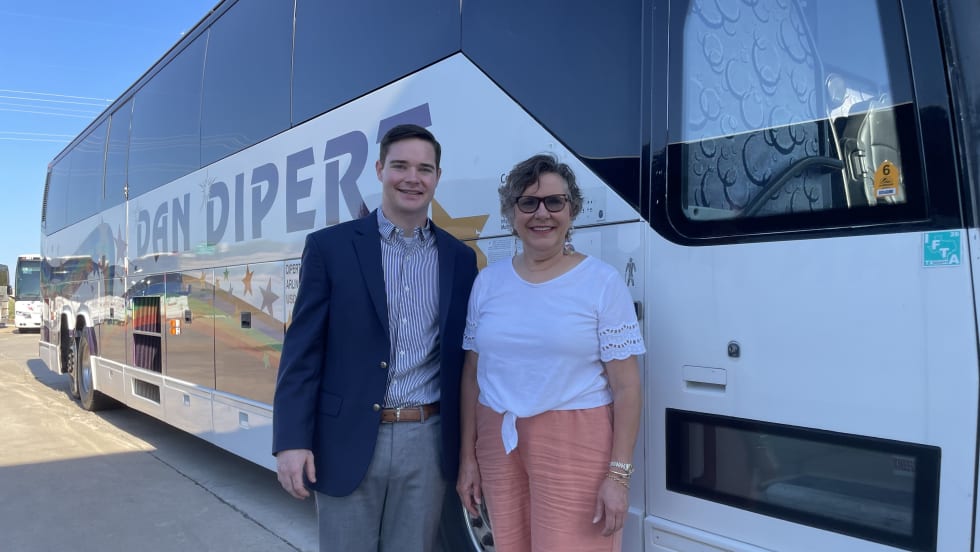
People Movement: Dan Dipert Coaches Adds Third-Generation Leader, Keolis Names New Valley Metro VP/GM, and More
In this edition, we also cover recent appointments and announcements at the Wabtec, SilverRide, HNTB, and more, showcasing the individuals helping to shape the future of transportation.
Read More →
New York MTA Plans Largest Bus Fleet Upgrade in More Than a Decade
The agency is seeking manufacturers for 650 new CNG buses to replace aging vehicles, improve reliability, and advance its broader fleet modernization strategy.
Read More →
Building a Flexible Path to Transit Electrification
John Hroncich discusses BAE Systems’ modular and scalable approach, lessons learned from decades of real-world operations, and how agencies can identify electrification strategies that fit their fleets.
Read More →
Bus Tech Talk: Keeping Transit Technicians Ahead of the Technology Curve
LA Metro’s Obed Mejia discusses technician training, evolving maintenance technology, fleet replacement, and strategies for getting the most out of today’s transit fleets.
Read More →
Biz Briefs: RIPTA Unveils New Frontrunners, Clevland RTA Adds New Siemens, and More
In METRO's latest installment, we take a look at recent news from Siemens, Prevost, Dodge, and more partnerships making headlines across the transportation sector.
Read More →
People Movement: Holly Arnold Joins Transdev and More
In this edition, we also cover recent appointments and announcements at Pace, CamTran, MCI, and more, showcasing the individuals helping to shape the future of transportation.
Read More →
The High Cost of Transit Buses: Industry Leaders Look to Procurement Reform
Transit leaders and policymakers examine how standardized bus designs, streamlined procurement, and predictable funding could help agencies stretch budgets and deliver better service.
Read More →
The Business Voice Behind Public Transportation
As chair of APTA’s Business Members Board of Governors, Ray Melleady explains how more than 850 business members are partnering with transit agencies to advance funding, innovation, and industry-wide collaboration.
Read More →
From Surviving to Thriving: Building Stronger Transportation Organizations
Bus Business Consultants founder Brian Dickson shares lessons on leadership, organizational health, and creating options for long-term success in a changing transportation industry.
Read More →
Finding the ‘Happy Medium’: Optimizing Maintenance Without Sacrificing Reliability
The key to maintenance optimization isn’t doing less work—it’s doing the right work at the right time on the right assets.
Read More →