



New York Awards Communications-Based Train Control Contract
The New York MTA installs a communication-based train control system for the Canarsie Line of the New York City Transit system.

In a much-anticipated move, the Metropolitan Transportation Authority of New York awarded a $135 million contract to a consortium led by Siemens Transportation Systems-MATRA Transport International to install a communication-based train control system for the Canarsie Line of the New York City Transit (NYCT) system. The train control system is based on technology that Siemens-Matra has developed and installed on the Paris Metro Meteor Line, one of the most modern systems in the world. Team members Union Switch and Signal and L.K. Comstock will also play a major role in the implementation of the project. This technology offers the possibility of progressively automating lines without interrupting their operation. Indeed, its intelligence lies in the fact that it can integrate traditionally operated trains and automated trains equipped with the system. Another advantage of this system as shown on Paris’ Météor line is its modularity, since the system can adapt to all types of configuration, depending on the components of the network and the performance required. In New York, NYCT has chosen radio transmission and an automatic train control system with a driver. NYCT was involved in prototyping and evaluating three competing systems during the last two years before deciding on the Siemens-Matra technology. The process was very similar to that used in New York’s new technology railcar program, which procured more than a billion dollars of railcars to be delivered over the next several years. The new signaling system, which will be installed during the next four years without interrupting the revenue service of the subway system, will improve safety and increase train throughput of the existing New York subway, NYCTA officials said. Further, the technology will set the standard for modernization of the entire New York City subway network. "We are extremely proud to have been selected to supply this leading technology and to lead this train control revolution together with the NYCT in New York," said Roelof van Ark, president and CEO of Siemens Transportation Systems Inc. "This is our second major success in this region. Matra is already supplying the SACEM train control and signaling system for the Tren Urbano project in Puerto Rico, a $700 million turnkey project for which Siemens is a major contractor." This is the big Kahuna, however. Most observers estimate the New York signaling contract to comprise roughly half of the U.S. signaling market. Thus, the technology chosen by New York could very well become the signaling standard for heavy rail throughout the country. Furthermore, Siemens-MATRA now has contracts for modern train control systems in most of the major subways of the world, including Mexico City, Paris and now New York. Recently, Hong Kong's Mass Transit Railway Corp. signed a contract with Siemens-Matra for the train control system on one of its lines. There were three companies competing for the work. Matra Transport International will use the standard Météor system to modernize the first line to be equipped, the Canarsie Line. This initial contract is worth $135 million. Alcatel and Alstom, the other finalists for this contract, are expected to be asked to adapt their products to comply with this standard, Matra officials said. The operating authorities of the metros of Berlin, Nuremberg and Singapore have also shown interest in the Paris Meteor-type communications-based train control system for modernization of their networks.
More Rail
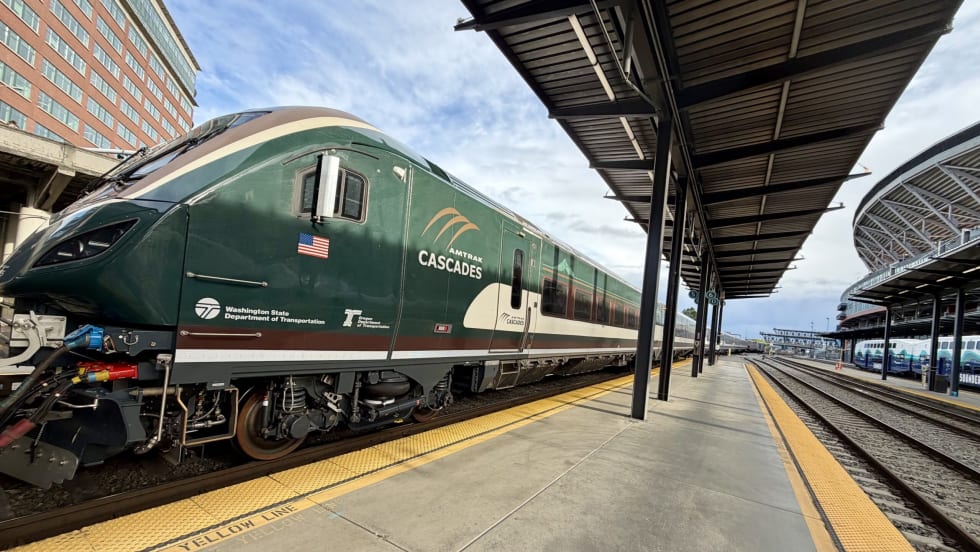
FRA Announces $5.3B in Rail Investments, Including $2B for Amtrak
Funding will support grade-crossing improvements, infrastructure upgrades, and new Amtrak equipment in 23 states.
Read More →
Finding the ‘Happy Medium’: Optimizing Maintenance Without Sacrificing Reliability
The key to maintenance optimization isn’t doing less work—it’s doing the right work at the right time on the right assets.
Read More →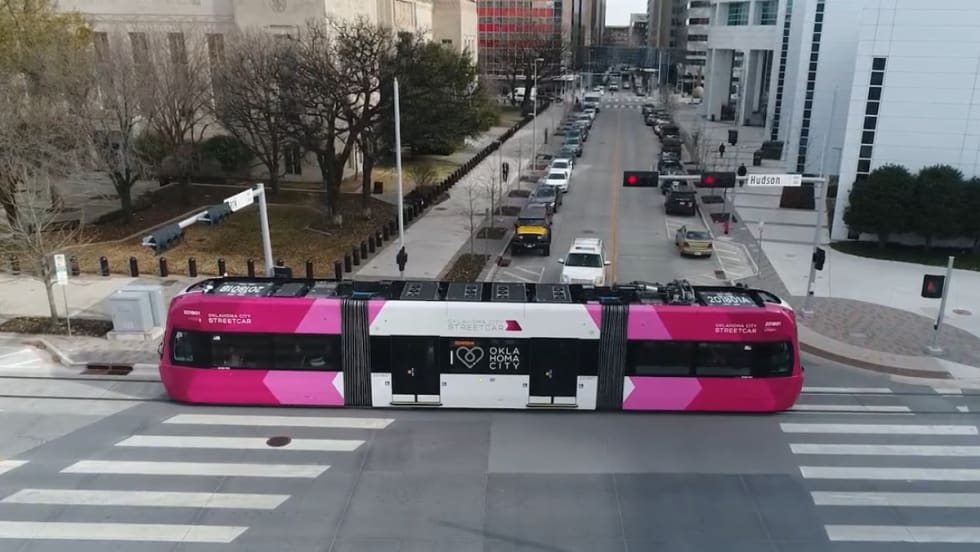
OKC Streetcar Makes Zero-Fare Service Permanent
Ridership increased an average of 71% compared with the same period a year earlier during the fare-free pilot.
Read More →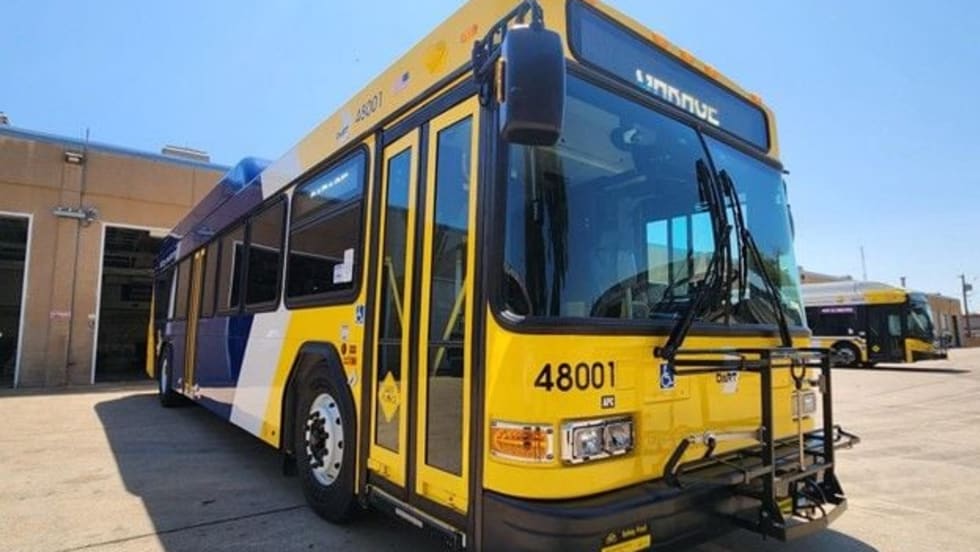
DART Customer Satisfaction Reaches Six-Year High
Overall satisfaction rose to 74.9%, while the agency’s Net Promoter Score reached a record 33.7.
Read More →
How DART's GoPass Is Redefining Regional Mobility
Serving 14 transit agencies, GoPass simplifies multimodal travel by allowing riders to plan, pay for, and manage an entire trip through one app.
Read More →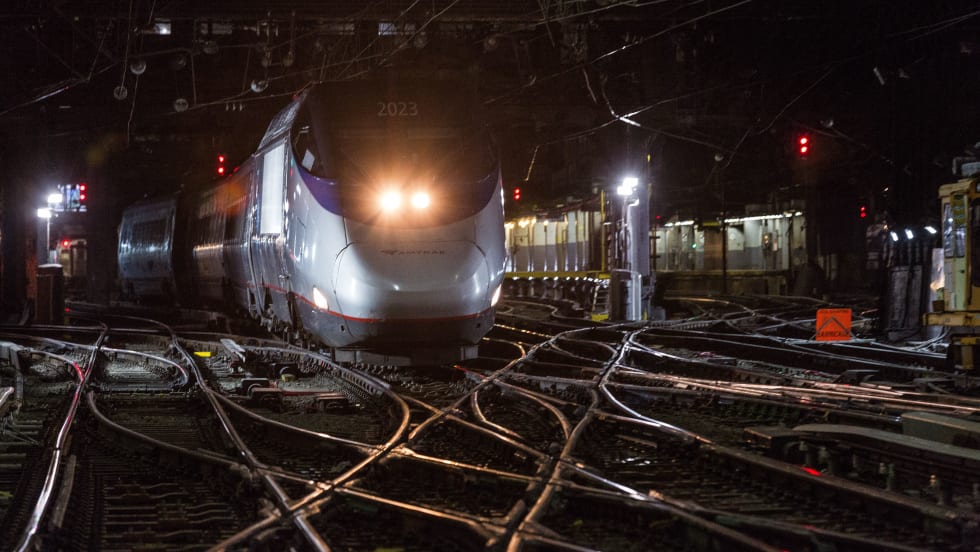
Amtrak Board Advances Plan to Restructure Organization, Seeks Public Input
The proposal, developed by Amtrak management and approved by the board for further consideration, is intended to modernize the organization's structure while improving accountability, operational efficiency, and customer service.
Read More →
Biz Briefs: STV teams with Amtrak, Motorcoach Operators Boost Fleet and Land Contracts, and More
From manufacturers and suppliers to transit agencies and motorcoach operators, these updates offer a snapshot of the projects, partnerships and business moves driving the industry forward.
Read More →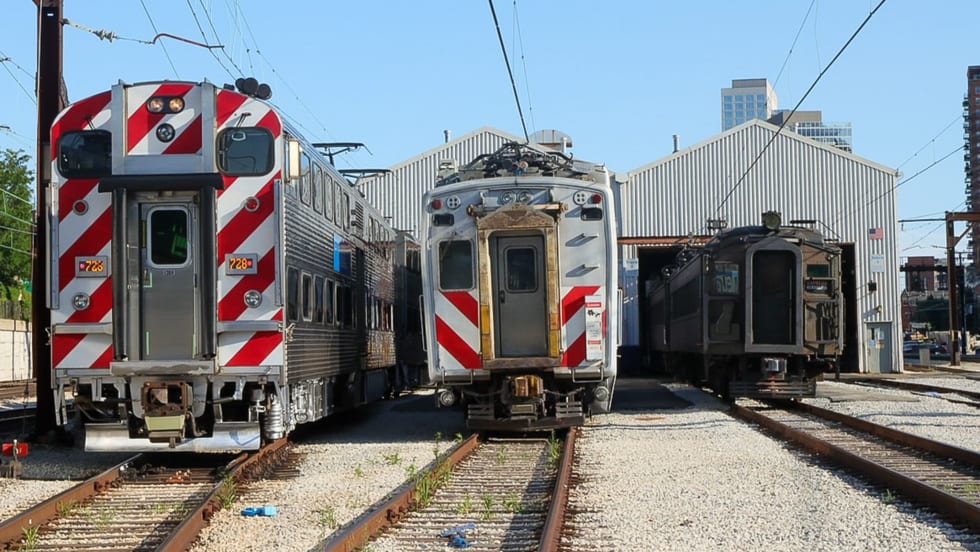
Metra Celebrates 100 Years of Electric Rail, Looks to the Future
The event was also a celebration of recent reforms to public transportation in the Chicago area, changes that could be as transformative in the future as the major civic achievement a century ago, said officials.
Read More →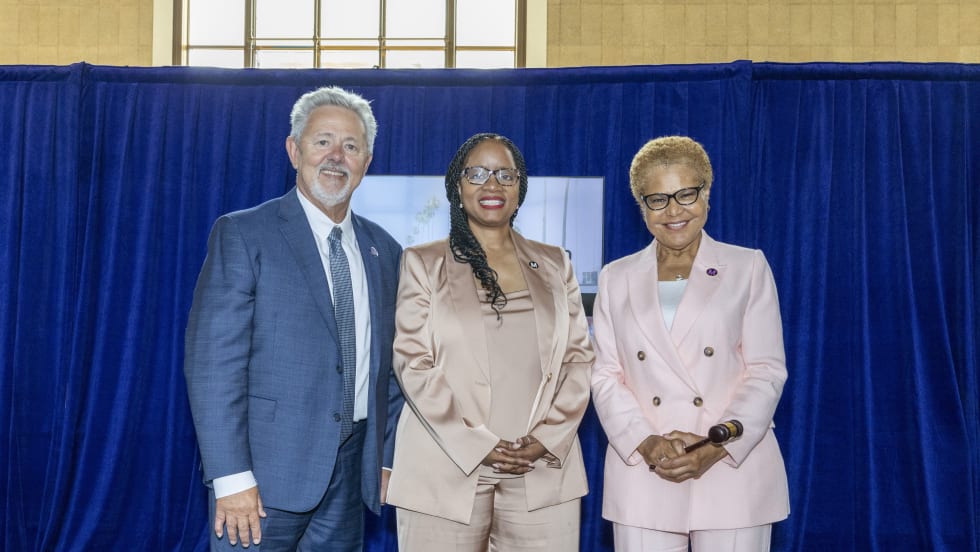
LA Metro Marks Banner Year, Sets Ambitious Goals for New Fiscal Year
Incoming LA Metro Board Chair and Los Angeles Mayor Karen Bass joined outgoing Board Chair Fernando Dutra and LA Metro CEO Stephanie Wiggins to review accomplishments from fiscal year 2026, which included the opening of new rail extensions, advancement of major transit projects, expanded safety programs, and new rider amenities.
Read More →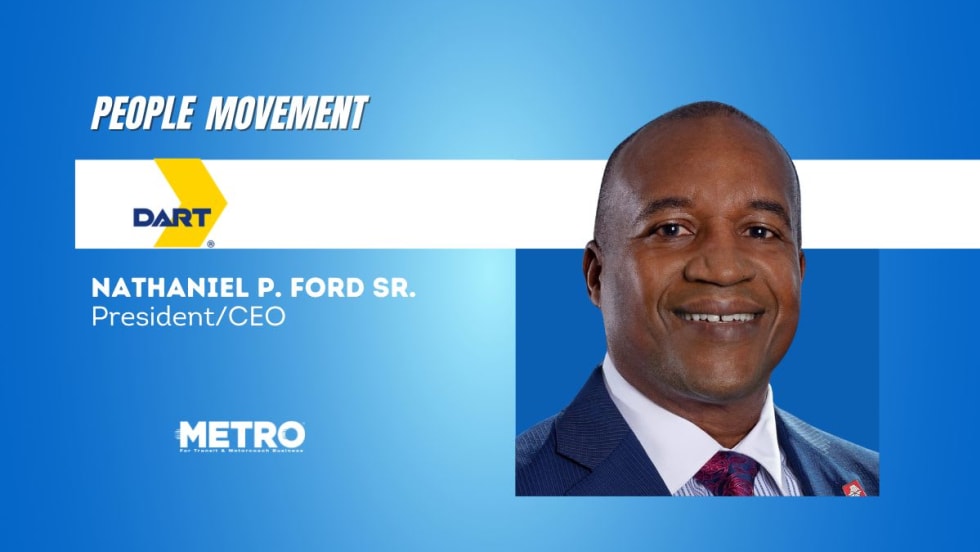
DART Taps Nathaniel P. Ford Sr. as Next President/CEO
Since 2012, Ford has served as the CEO of the Jacksonville Transportation Authority
Read More →