




RELATED: NYC Transit warns against walking, riding between cars
New York MTA logs lowest crime rate in agency's history
MTA Police Department attributes the 20-year crime low to an important shift in its policing practices.
January 23, 2019
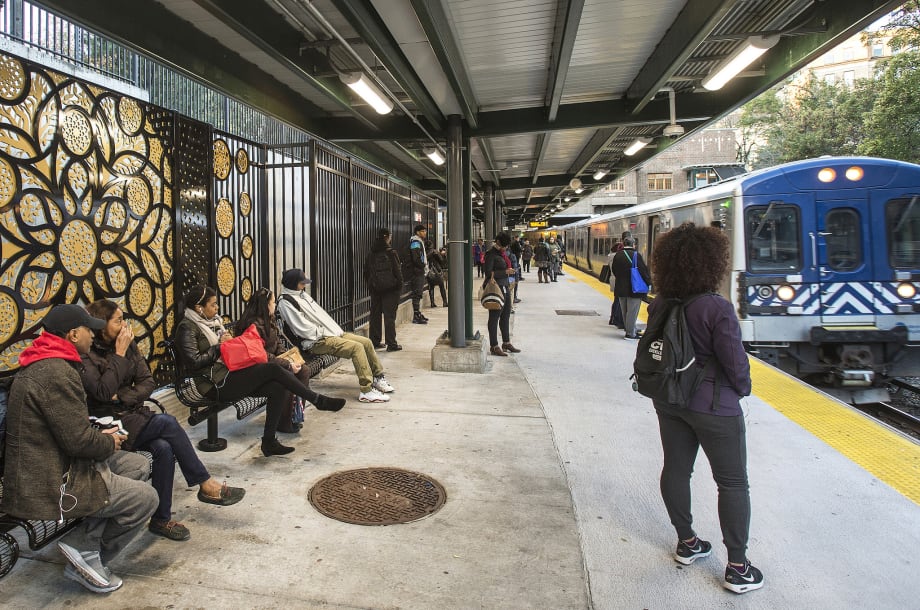
Despite the proliferation of customers with electronic devises, grand larceny is down 9% from 2017, from 160 incidents in 2017 to a low of 146 incidents in 2018, according to the MTA Police Department.
Patrick Cashin
3 min to read
Despite the proliferation of customers with electronic devises, grand larceny is down 9% from 2017, from 160 incidents in 2017 to a low of 146 incidents in 2018, according to the MTA Police Department.
Patrick Cashin
New York’s MTA Police Department announced that crime statistics for 2018 were the lowest in the 20-year history of the MTA Police, besting the all-time-low figures reported in 2017. The MTA Police Department patrols the Long Island Rail Road, Metro-North Railroad, and the Staten Island Railway.
In 2018, overall crime is down more than 13% from the benchmark achieved in 2017, dropping from a total of 271 crimes systemwide to 237. Robbery, a bellweather for violent crime, was down 41% in 2018; 26 robberies were reported in 2018, compared to 44 in 2017, down more than 50% from 68 robberies reported in 2001.
Along with record lows in violent crime, the MTA Police Department achieved the following system-wide reduction in crimes in 2018 as compared to 2017:
Reduced petty larcenies by 22%
Reduced hate crimes by 6%
Increased arrests by 27%
Increased summonses issued by 23%
Increased the number of unattended packages cleared by 12%
Despite the proliferation of customers with electronic devises, grand larceny is down 9% from 2017, from 160 incidents in 2017 to a low of 146 incidents in 2018. In 2018, across the entire MTA region, three cars were stolen from parking lots, a 70% decrease from 2017.
Crime is down 21% in Grand Central, with 53 reported incidents, compared to 65 in 2017. Grand Larceny fell 25%, from 44 incidents in 2017 to 33 in 2018. Penn Station didn’t have a single robbery in 2018, and major felonies at Penn fell 26%, from 23 in 2017 to 17 in 2018.
The MTA Police Department attributes the 20-year crime low to an important shift in its policing practices. There’s a renewed focus on leadership, accountability, and involvement of the Commanding Officers of the nine MTA PD districts, according to officials.
MTA Police officers now issue citations as a matter of course for non-violent infractions instead of verbal warnings. There’s greater collaboration with local law enforcement agencies, which gives MTA PD officers increased oversight on follow-up of summonses, arrests, and investigations.
Inter-agency cooperation extends to anti-terrorism efforts with regional, state, and federal law enforcement. The MTA PD works with New York State Division of Homeland Security and Emergency Services and the New York State Police for Operation NY SECURE. The goal of this operation is to improve coordination and response between the MTA, New York State Police, Amtrak, and the local law enforcement agency that will be responding to a potential incident.
The MTA Police Department patrols a territory of approximately 5,000 square miles, including New York City, Long Island, southeastern New York State, and southern Connecticut, and serves a population of 14.4 million people. Since 9/11, the department has expanded in size and has ramped up dramatically its counter-terrorism capabilities, adding canine teams and emergency services officers.
More Security and Safety

Transit Agencies Highlight Safety Gains at National Summit
Leaders from 15 major transit systems shared crime-reduction results and safety initiatives while discussing the role of continued federal support.
Read More →
DART Launches Major Security, Fare Enforcement Initiative
The 90-day demonstration will deploy coordinated security teams at five light rail stations while testing controlled access and gathering data to guide future investments.
Read More →
RTD Launches NextRide App to Consolidate Trip Planning, Fares, Security Reporting
The app expands on RTD’s existing NextRide web application and allows customers to view real-time vehicle locations and service alerts, purchase and store digital fares, and access customer support.
Read More →

TAPTCO Updates OSHA Compliance Training for Transit Maintenance Operations
The revamped program addresses 26 OSHA standards for maintenance facilities, with TAPTCO pointing to training, documentation, and everyday shop hazards as continuing challenges for transit operations.
Read More →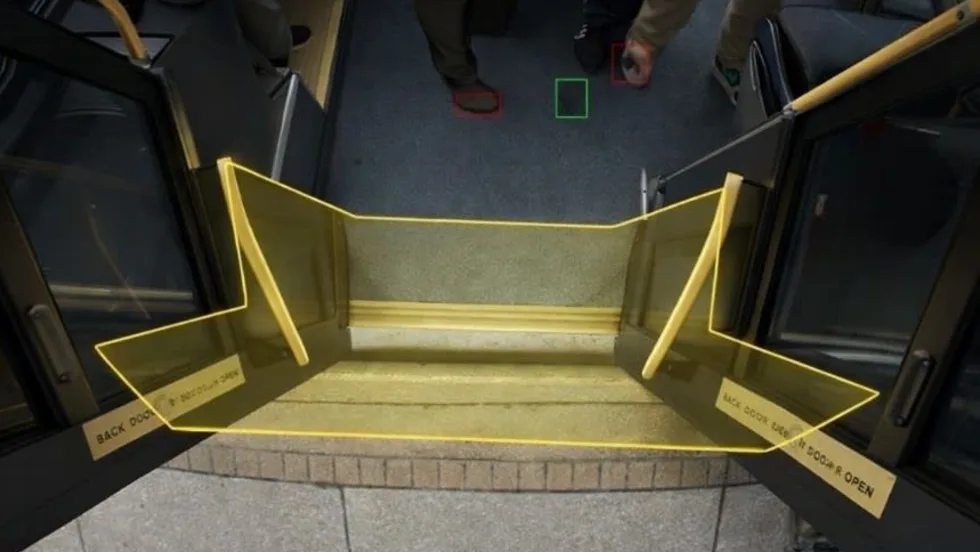
Sponsored•August 18, 2026
How VaporVision Adds Value to Transit Door Systems
Wabtec engineers explain how the system improves doorway detection, strengthens diagnostics and gives transit agencies and OEMs greater operating flexibility.
Read More →
FRA Announces $5.3B in Rail Investments, Including $2B for Amtrak
Funding will support grade-crossing improvements, infrastructure upgrades, and new Amtrak equipment in 23 states.
Read More →
Chicago, Maryland Expand Non-Law-Enforcement Safety, Rider Support
The CTA and MTA are launching new programs aimed at de-escalation, crisis response, rider assistance, and greater transparency.
Read More →
LA Metro, City of West Hollywood, and Partners Advance Smarter Bus Lane Enforcement
The award-winning partnership combines AI-powered detection with human oversight to improve bus reliability, accessibility, and enforcement efficiency.
Read More →
LA Metro Reports 57% Decline in Homelessness on Transit System Since 2024
The agency's latest homelessness count offers new data on how care-based services and cross-sector partnerships can complement traditional transit security strategies.
Read More →
FTA Launches 'Transit Moves America' Dashboard to Highlight Agency Safety and Performance
The online dashboard transforms National Transit Database information into a public-facing resource that allows users to compare transit agencies on key operational and safety metrics.
Read More →