



NJ Transit awards MCI 182-commuter coach contract
Vehicles feature a 57-seat configuration that is Wi-Fi ready, seatbelt-equipped and ADA-compliant.

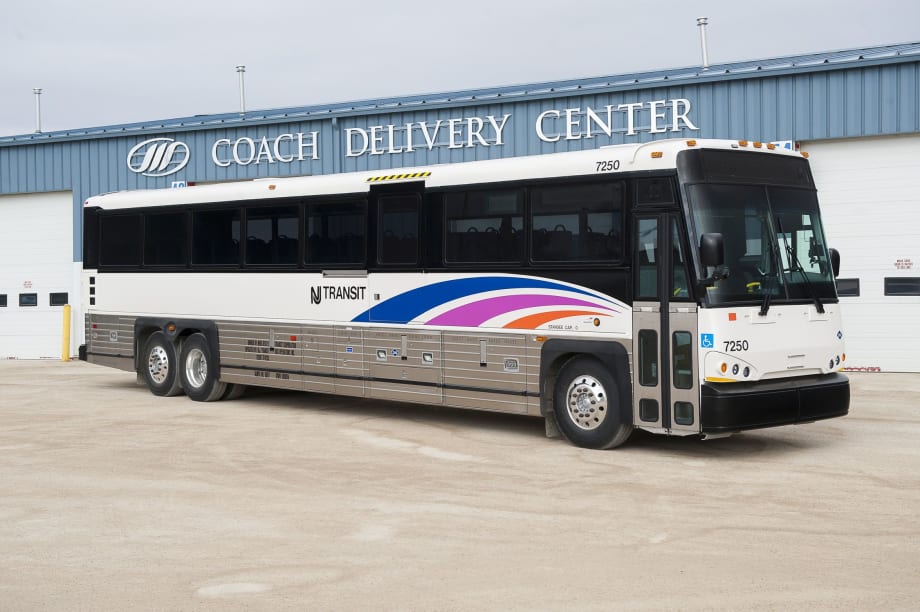
NJ Transit's MCI Commuter Coach. Photo: MCI
NJ Transit's MCI Commuter Coach. Photo: MCI
Motor Coach Industries (MCI) announced today that NJ TRANSIT issued a purchase order for year three of its six-year contract to manufacture and deliver 182 commuter coaches for an approximate total value of $ 93 million.
MCI expects to have completed all year-two deliveries of 187 commuter coaches by May 31, 2018, and will begin production of year-three coaches starting in September of 2018. The MCI Commuter Coaches are powered by clean diesel which has exhaust emissions reduced as required by the latest Clean Air Act amendments and feature a 57-seat configuration that is Wi-Fi ready, seatbelt-equipped and ADA-compliant.
NJ TRANSIT is the third-largest provider of bus, rail and light rail transit in the U.S., linking major points in New Jersey, New York and Philadelphia. The agency operates a fleet of more than 2,200 buses covering some 255 routes. With its full complement of buses, trains and light rail vehicles, NJ TRANSIT completes over 277 million passenger trips each year. NJ TRANSIT has purchased over 2,000 coaches over three decades from MCI, including 147 compressed natural gas (CNG) models in 2015.
More Bus

Improving Transit Safety and Reliability Through AI
Hayden AI’s Chief Growth Officer, Charley Territo, discusses how AI-powered camera enforcement is helping transit agencies keep bus lanes and stops clear, improve accessibility, and move from pilot programs to full-scale deployments.
Read More →
Castro to Lead RTC of Southern Nevada and More in People Movement
In this edition, we also cover recent appointments and announcements at the STV, MCI, and more, showcasing the individuals helping to shape the future of transportation.
Read More →
Study: Denver RTD Generates $2.1 Billion in Annual Economic Activity
An economic impact study finds the agency supports approximately 17,500 jobs, delivers $1.6 billion in annual community and mobility benefits, and generates $2.42 in economic value for every dollar invested.
Read More →
Mark Aesch Nominated to Lead Federal Transit Administration
The former Rochester transit chief and TransPro founder, who has also contributed to METRO Magazine, brings decades of industry experience and a focus on performance, accountability, and financial sustainability to the nomination.
Read More →
Pierce Transit Moves to Expand Fleet Following Proposition 1 Approval
The agency authorized the purchase or refurbishment of up to 60 buses to support a 47% service expansion, as voters nationwide approved billions in new transit funding.
Read More →
Transit Expands Agency Partnerships, Reaching 200 Official App Partners
COO Jake Sion discusses Transit’s growth, the success of its Transit Royale program, and how technology is helping agencies improve the rider experience.
Read More →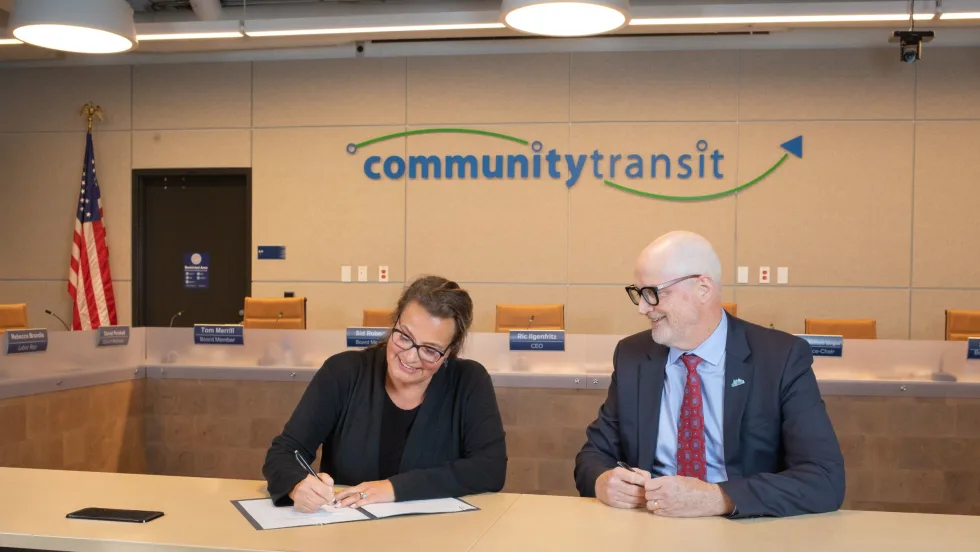
Everett Transit, Community Transit Approve Consolidation of Services
The agreement will bring Everett Transit into Community Transit’s network in April 2027, with plans to increase bus service by 50% by 2031 and expand regional connections.
Read More →
Brian Dickson on Building Stronger, More Resilient Transportation Organizations
Bus Business Consultants Founder Brian Dickson discusses the leadership principles, operational discipline, and strategic planning that separate transportation companies positioned for long-term success from those stuck in survival mode.
Read More →
LA Metro Breaks Ground on Vermont BRT Project
The 12.4-mile corridor is projected to serve 66,200 daily riders, reduce travel times by up to 24%, and create the nation's busiest bus rapid transit corridor.
Read More →
Roman Cornell on ABC Companies’ Evolution and the Future of Passenger Transportation
The company’s CEO discusses carrying forward a third-generation family legacy, ABC’s continued evolution in passenger transportation, support for increasingly complex fleets, and how technology and continued investment could help operators improve uptime.
Read More →