



NJ Transit expands mobile ticketing program
MyTix is available for free download on any Web-enabled iOS or Android operating system, via the App Store for iOS devices and the Google Play Store for Android devices.

As part of the agency’s ongoing effort to improve the overall customer experience, New Jersey Transit (NJ Transit) announced the latest expansion of its mobile ticketing program to include the Morris & Essex lines, as well as the Montclair-Boonton lines. Called MyTix, the program enables customers to purchase and display rail one-way tickets, weekly passes and monthly passes anytime, anywhere, using their smartphones.
NJ Transit first introduced MyTix in April 2013 as a pilot program on the Pascack Valley Line, as well as between Penn Station New York and the Meadowlands Rail Station for special events, to test the functionality of the app and determine the feasibility of expanding it to include other rail lines. In September, MyTix expanded to the Main/Bergen County and Port Jervis lines as part of a gradual systemwide rail rollout of the program, to be completed by the end of the year.
“The continued expansion of MyTix to additional rail lines brings us one step closer to our ultimate goal of putting this technology into the hands of all NJ Transit rail customers,” said Transportation Commissioner and NJ Transit Board Chairman James Simpson.
MyTix is available for free download on any Web-enabled iOS or Android operating system, via the App Store for iOS devices and the Google Play Store for Android devices. To purchase tickets via MyTix, customers must first install the app and then create an account, which will save customers’ profile information and history of ticket purchases for ease of use.
Purchased tickets must be activated prior to boarding the train and displayed to train crews upon request. Customers transferring at Secaucus Junction will need to scan the ticket barcode on the fare gate readers to pass through the gates.
MyTix was designed with input from customer focus groups, as well as NJ Transit frontline rail employees and customer service staff.
More Management

Castro to Lead RTC of Southern Nevada and More in People Movement
In this edition, we also cover recent appointments and announcements at the STV, MCI, and more, showcasing the individuals helping to shape the future of transportation.
Read More →
STraffic Expands North American Presence with Fare Collection Technology
John Moon, Associate Director, Product Strategy at STraffic, discusses the company's growth in North America, its efforts to reduce fare evasion, and more.
Read More →
Study: Denver RTD Generates $2.1 Billion in Annual Economic Activity
An economic impact study finds the agency supports approximately 17,500 jobs, delivers $1.6 billion in annual community and mobility benefits, and generates $2.42 in economic value for every dollar invested.
Read More →
Mark Aesch Nominated to Lead Federal Transit Administration
The former Rochester transit chief and TransPro founder, who has also contributed to METRO Magazine, brings decades of industry experience and a focus on performance, accountability, and financial sustainability to the nomination.
Read More →
Best and Worst U.S. Cities for Public Transportation in 2026
A new analysis of 50 major U.S. urban areas ranks public transit systems based on accessibility, affordability, usefulness, and safety, highlighting where transit performs best and where challenges remain.
Read More →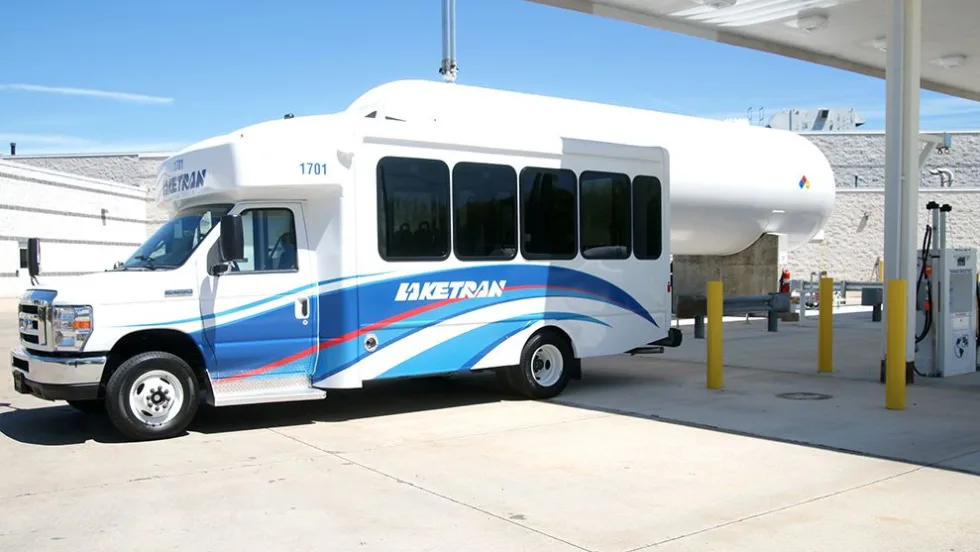
Laketran Cuts Fuel Costs, Boosts Efficiency with Propane-Powered Fleet
The Ohio transit agency is using propane-powered vehicles and on-site fueling infrastructure to cut fuel and maintenance costs while meeting growing demand for paratransit services.
Read More →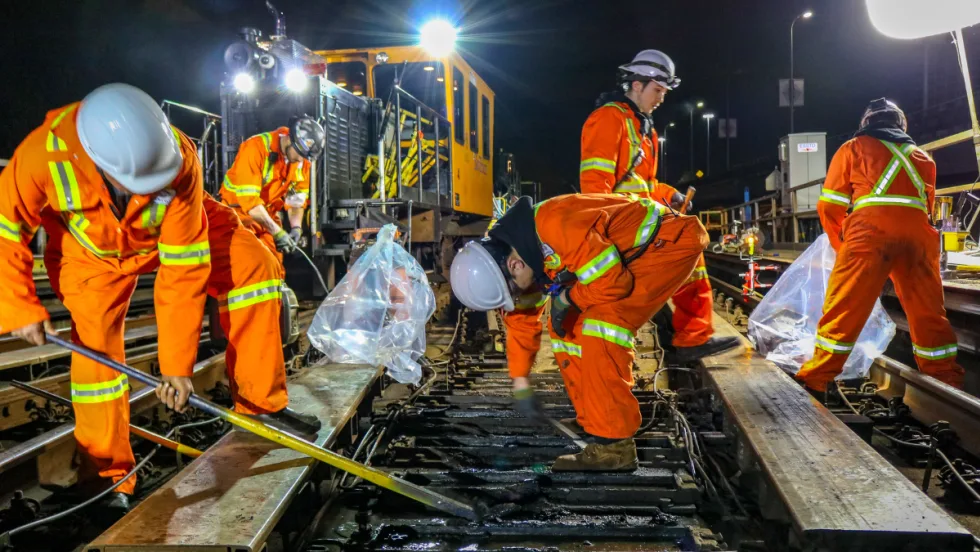
Canada’s Public Transit Supports $65.6 Billion in Annual GDP
New research from the Canadian Chamber of Commerce examines transit's economic contributions, including job creation and the financial implications of transportation investment.
Read More →
Pierce Transit Moves to Expand Fleet Following Proposition 1 Approval
The agency authorized the purchase or refurbishment of up to 60 buses to support a 47% service expansion, as voters nationwide approved billions in new transit funding.
Read More →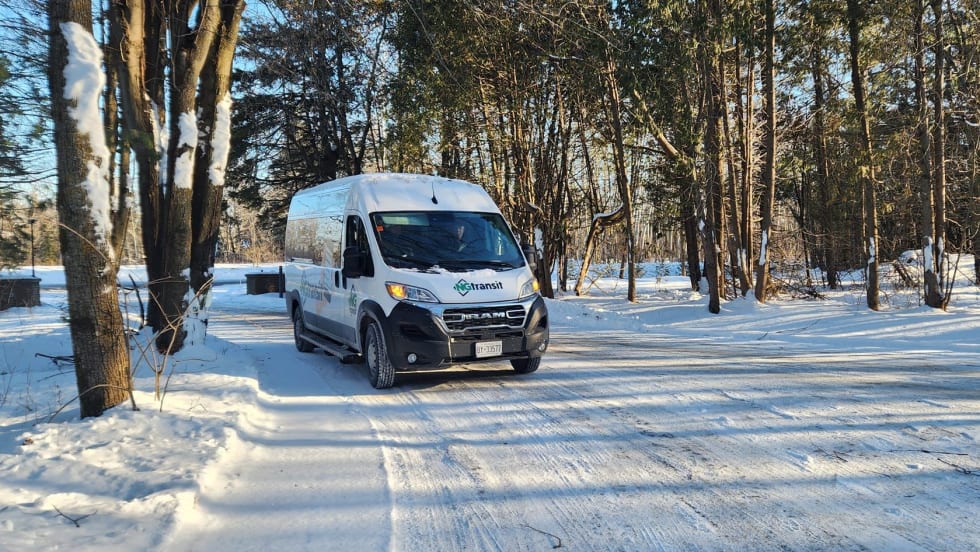
Right-Sizing Rural Transit: Lessons from North Grenville’s On-Demand Model
A small municipality shows how flexible service, rider needs, and public accountability can expand mobility with limited resources.
Read More →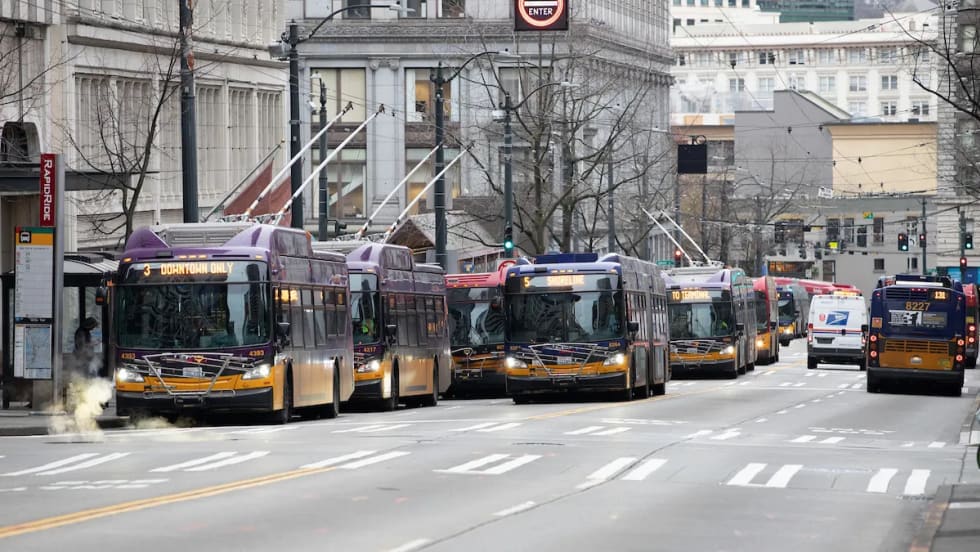
Transit Ballot Victories Signal Strong Voter Support: What Comes Next?
Voters approved billions in public transportation investments in 2026, giving agencies opportunities to preserve service, expand operations, and strengthen regional connections amid a changing political landscape.
Read More →