



NJ Transit nears completion of diesel bus overhaul
Agency has installed emissions control technology on many of its older buses as part of a long-term statewide strategy designed to reduce air pollution.

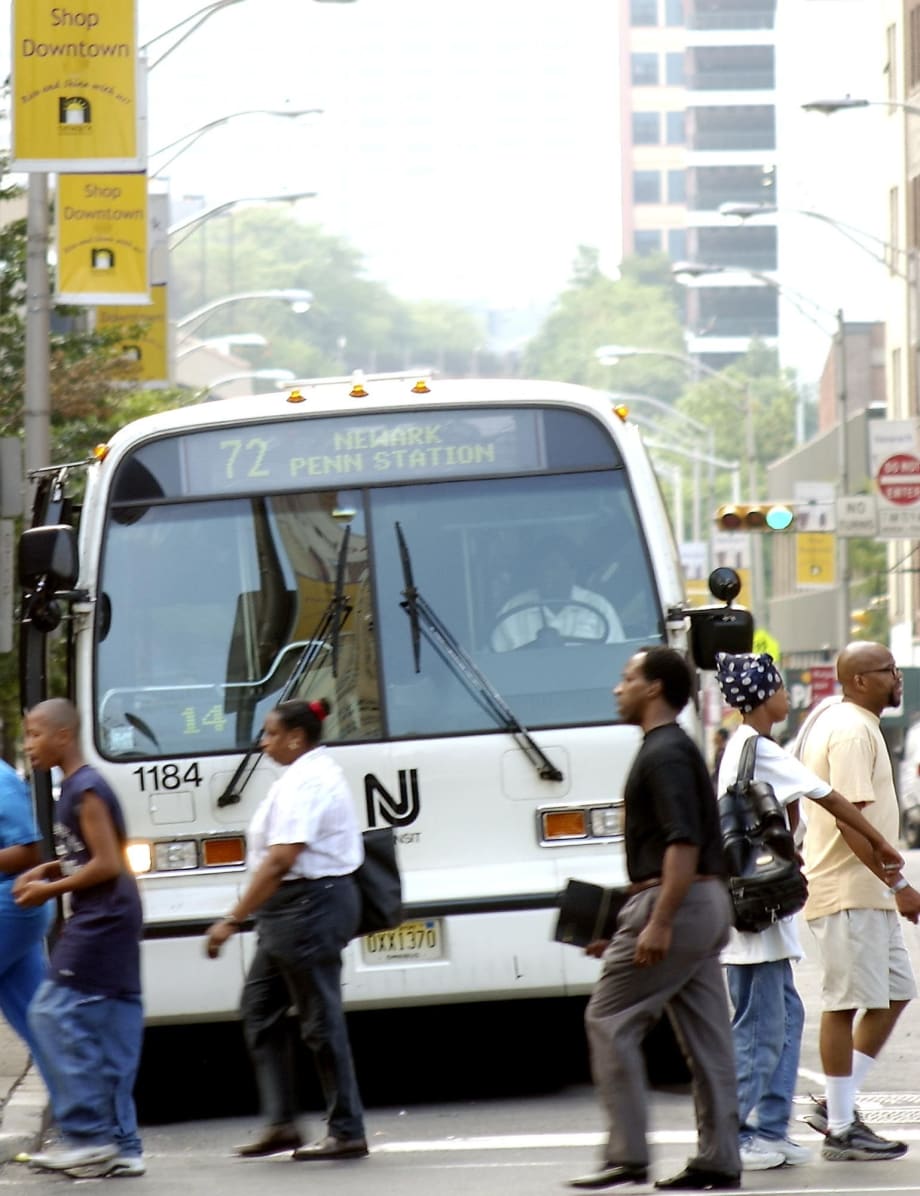
New Jersey Transit (NJ Transit) is nearing a major milestone by virtually completing the retrofit of nearly 800 older style diesel-engine buses with technology that will control harmful diesel exhausts, according to agency officials.
NJ Transit installed emissions control technology on many of its older buses as part of a long-term statewide strategy designed to reduce air pollution. The retrofitting work is financed by the state’s Diesel Risk Mitigation Fund, a program created under a 2005 law that requires installation of diesel emission control equipment on older diesel-powered on-road vehicles.
“A cleaner, greener and more sustainable transit fleet is critical to preserving our quality of life in the Garden State,’’ said NJ Transit Executive Director James Weinstein. “Working with Governor Christie and his forward-thinking team, NJ Transit continues to invest in modern technology for our bus fleet that will further curtail harmful greenhouse gas emissions across our state.’’
In addition to 760 retrofitted NJ Transit buses, more than 1,200 solid waste collection trucks have had diesel emissions control equipment installed in the past several years in New Jersey. These retrofits and other scheduled retrofits for commercial passenger buses and publicly-owned on-road and non-road vehicles are expected to reduce particulate emissions by more than 100 tons per year statewide.
Additionally, NJ Transit continues to modernize its existing bus fleet, which will result in even more air quality improvements in the state. The agency is replacing 1,145 older buses with new transit-style buses that are equipped with modern emission control devices and which run on ultra-low sulfur diesel fuel. The new buses feature an improved engine design and contain a soot filter to reduce particulates and utilize a diesel oxidation catalyst, resulting in an 80% reduction in particulate matter and 90% reduction in nitrogen oxide emissions.
Diesel emissions pose a greater cancer risk than any other air pollutant in the state. Diesel emissions contain microscopic particles filled with organic substances and metals. Diesel exhaust is linked to premature deaths, asthma and allergies, strokes, heart and lung disease, chronic respiratory disease and other ailments.
New Jersey’s mandatory diesel retrofit program is one of several strategies the state's Department of Environmental Protection is employing to reduce harmful diesel emissions. Other programs include the mandatory inspection and maintenance of diesel on-road vehicles, enforcement of the state’s anti-idling law, and Gov. Christie’s Executive Order Number 60, which calls for several pilot studies of diesel retrofits at NJDOT construction sites.
For more information on Executive Order 60 visit: http://www.nj.gov/governor/news/news/552011/approved/20110420b.html
For more information on diesel emissions visit: http://www.nj.gov/dep/airtoxics/diesemis.htm
For information on New Jersey’s efforts to reduce diesel emissions visit: http://www.state.nj.us/dep/stopthesoot/
More Bus

New York MTA Plans Largest Bus Fleet Upgrade in More Than a Decade
The agency is seeking manufacturers for 650 new CNG buses to replace aging vehicles, improve reliability, and advance its broader fleet modernization strategy.
Read More →
Building a Flexible Path to Transit Electrification
John Hroncich discusses BAE Systems’ modular and scalable approach, lessons learned from decades of real-world operations, and how agencies can identify electrification strategies that fit their fleets.
Read More →
Bus Tech Talk: Keeping Transit Technicians Ahead of the Technology Curve
LA Metro’s Obed Mejia discusses technician training, evolving maintenance technology, fleet replacement, and strategies for getting the most out of today’s transit fleets.
Read More →
Biz Briefs: RIPTA Unveils New Frontrunners, Clevland RTA Adds New Siemens, and More
In METRO's latest installment, we take a look at recent news from Siemens, Prevost, Dodge, and more partnerships making headlines across the transportation sector.
Read More →
People Movement: Holly Arnold Joins Transdev and More
In this edition, we also cover recent appointments and announcements at Pace, CamTran, MCI, and more, showcasing the individuals helping to shape the future of transportation.
Read More →
The High Cost of Transit Buses: Industry Leaders Look to Procurement Reform
Transit leaders and policymakers examine how standardized bus designs, streamlined procurement, and predictable funding could help agencies stretch budgets and deliver better service.
Read More →
The Business Voice Behind Public Transportation
As chair of APTA’s Business Members Board of Governors, Ray Melleady explains how more than 850 business members are partnering with transit agencies to advance funding, innovation, and industry-wide collaboration.
Read More →
From Surviving to Thriving: Building Stronger Transportation Organizations
Bus Business Consultants founder Brian Dickson shares lessons on leadership, organizational health, and creating options for long-term success in a changing transportation industry.
Read More →
Finding the ‘Happy Medium’: Optimizing Maintenance Without Sacrificing Reliability
The key to maintenance optimization isn’t doing less work—it’s doing the right work at the right time on the right assets.
Read More →
LA Metro, City of West Hollywood, and Partners Advance Smarter Bus Lane Enforcement
The award-winning partnership combines AI-powered detection with human oversight to improve bus reliability, accessibility, and enforcement efficiency.
Read More →